

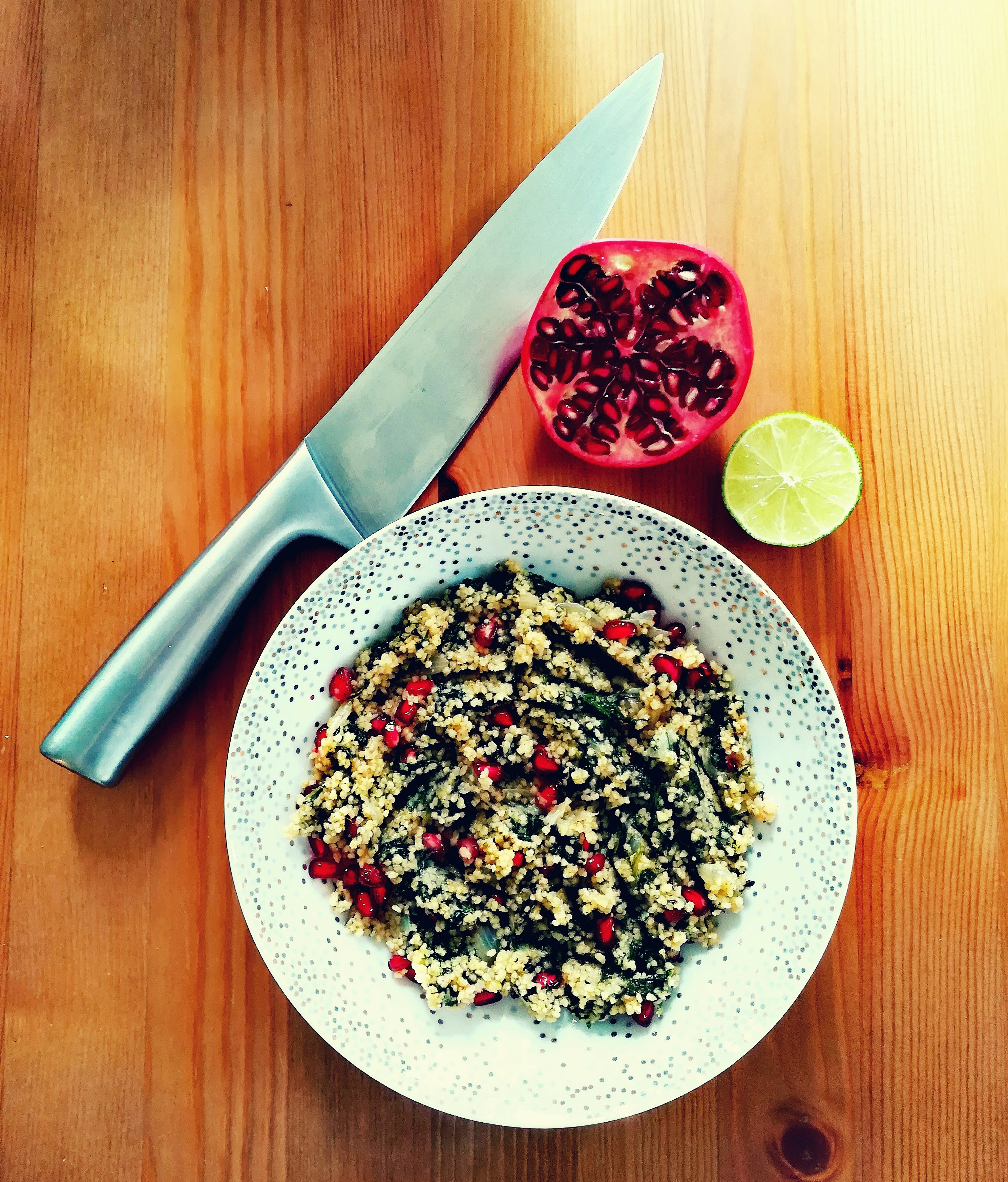
The Rich History of Moroccan Couscous
Couscous is not merely a dish; it is a staple that embodies the spirit and culture of Morocco. Its origins are believed to trace back to the Berber people, who have been preparing this grain for centuries. The fundamental ingredient of couscous is durum wheat semolina, which is steamed and fluffed to create tiny granules that are light and fluffy. Over time, this traditional preparation method has been passed down through generations, becoming an integral part of Moroccan culinary identity.
Moroccan couscous is steeped in cultural significance. It is often served during festive occasions, traditional ceremonies, and family gatherings, symbolizing hospitality and sharing. In these settings, couscous is typically presented in a large, communal platter, allowing diners to partake collectively, fostering a sense of unity and togetherness. It is notably served on special occasions such as weddings, religious festivities, and during significant family events, highlighting its role as not just food, but a medium for social connection.
The evolution of couscous in Morocco is influenced by various cultures, including Arab, Andalusian, and Mediterranean, each contributing unique flavors and preparation styles. This has resulted in a rich tapestry of regional variations. For example, couscous in the south may be prepared with more spices and served with a vegetable-heavy broth, while northern regions might emphasize milder flavors featuring seafood. Furthermore, each region incorporates its local ingredients, reflecting the diverse agricultural bounty of Morocco.
Through its rich history and significance, Moroccan couscous represents more than a meal. It is a cultural artifact that tells the story of a nation, its people, and their resilience and adaptability. As we explore this traditional dish, it is essential to recognize how it has become a central feature of Moroccan society, celebrated for both its flavor and its role in bringing people together.
Preparing Authentic Moroccan Couscous
To prepare authentic Moroccan couscous, one must begin with the right ingredients and method to ensure the dish honors its rich cultural heritage. The primary ingredient for traditional couscous is durum wheat semolina, which is finely milled into small grains. The quality of semolina is crucial, as it directly impacts the texture and flavor of the final dish. For optimal results, choose high-quality grains that are specifically labeled for couscous preparation.
The tradition of preparing couscous involves a meticulous steaming process that allows the grains to absorb water and flavors effectively. To start, measure the semolina—typically, a cup of dry couscous serves about two servings. Place it in a large bowl and add a pinch of salt along with a drizzle of olive oil, mixing gently to aerate the grains. Gradually add warm water while stirring to ensure even hydration, allowing the couscous to rest for approximately 10-15 minutes to absorb the moisture.
Next, the couscous is placed in a steamer, often layered over a pot of boiling water infused with spices, herbs, or vegetables to impart additional flavor. This method may require two or three rounds of steaming, with each round lasting about 20 minutes. After steaming, fluff the couscous with a fork to separate the grains, ensuring a light and airy texture.
In addition to these standard techniques, variations can be integrated through the use of different steaming pots, such as a traditional couscoussière or the more common steamer baskets. Each technique may yield slight differences in texture and flavor, allowing for personal preferences. It is essential to accompany Moroccan couscous with rich stews, vegetables, or meats, as these pairings enhance the dish’s complexity and authenticity. Culinary traditions often recommend a combination of seasonal vegetables and spices to create a well-rounded meal.
The Flavors of Moroccan Couscous: Spices and Aromatics
Moroccan couscous is not just a dish; it is an experience that tantalizes the palate through an exquisite blend of spices and aromatics. Central to creating the characteristic flavor profile of Moroccan couscous are spices such as cumin, coriander, and saffron, which combine to create a symphony of flavors that are both unique and comforting.
Cumin, often celebrated for its warm, earthy undertones, works harmoniously with coriander, which adds a hint of citrusy brightness. This combination is commonly found in many traditional Moroccan couscous recipes. Saffron, known for its luxurious touch and vibrant color, is sometimes paired with these spices, imparting a complex flavor that elevates the dish to new heights. The intricate layering of these spices allows each ingredient to shine while contributing to the overall flavor of the couscous.
In addition to the aforementioned spices, other herbs and seasonings also play a significant role in enhancing the couscous experience. Fresh herbs like cilantro and parsley are frequently used to finish the dish, providing a refreshing contrast to the warm spices. Additionally, ingredients such as preserved lemons or olives can introduce a tangy note that complements the subtle sweetness of the roasted vegetables often accompanying the couscous.
For those interested in experimenting with their own combinations, trying different proportions of these spices may yield delightful results. For instance, adjusting the amount of cumin or adding a pinch of cinnamon can personalize the dish to individual preferences. Regardless of the choice of spices, the harmonious blend of flavors is what makes Moroccan couscous a beloved dish worldwide. The balance of warmth, brightness, and a touch of sweetness is fundamental to its appeal.
Moroccan Couscous in Modern Cuisine
Moroccan couscous, with its nutty flavor and versatile texture, has increasingly found its way into contemporary culinary applications, making it a favorite among chefs and home cooks alike. No longer confined to traditional dishes, couscous is being embraced in a variety of modern recipes, showcasing its adaptability to different dietary preferences and occasions.
This ancient staple can be seamlessly incorporated into vegan cuisine, serving as a wholesome base for vegetable-topped bowls or stir-fries. By pairing couscous with assorted roasted vegetables, legumes, or plant-based sauces, one can create satisfying meals that are both nutritious and flavorful. For gluten-free diets, alternatives such as quinoa or rice-based couscous mimic the original’s texture while allowing those with dietary restrictions to enjoy similar dishes.
Beyond its use in salads and bowls, Moroccan couscous serves as a delightful ingredient in fusion cuisines, connecting traditions from around the globe. One innovative approach involves using couscous as a filling for stuffed vegetables or as a topping for baked dishes. Furthermore, its incorporation into sweet recipes, such as couscous pudding or desserts enhanced with fruits and spices, illustrates its versatility in modern dessert-making.
Cooking with Moroccan couscous opens up a realm of culinary possibilities, encouraging exploration and creativity in the kitchen. For those interested in experimenting with couscous recipes, resources such as Kenzadi offer a variety of dishes that highlight this grain’s adaptability in modern cuisine. From traditional preparations to inventive salads and comforting bowls, Moroccan couscous proves to be a delightful centerpiece in any dish.
