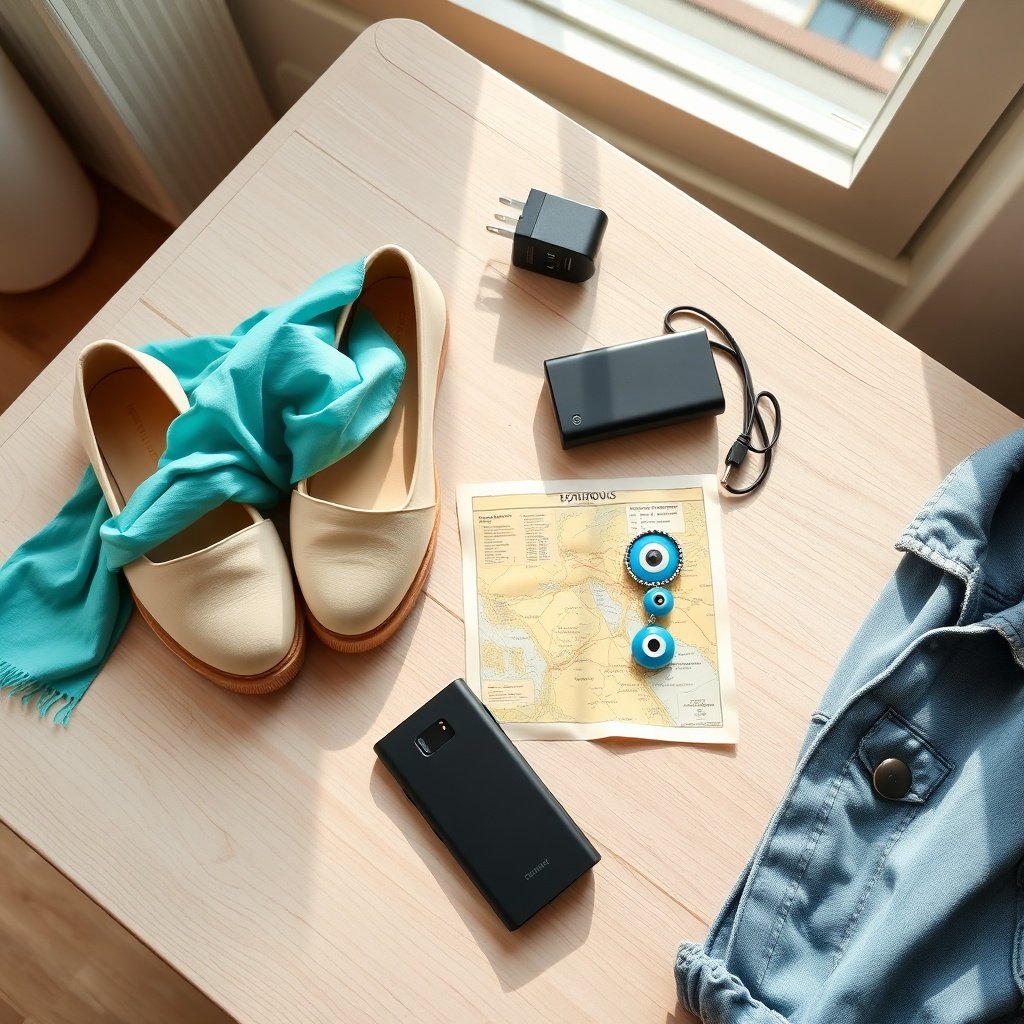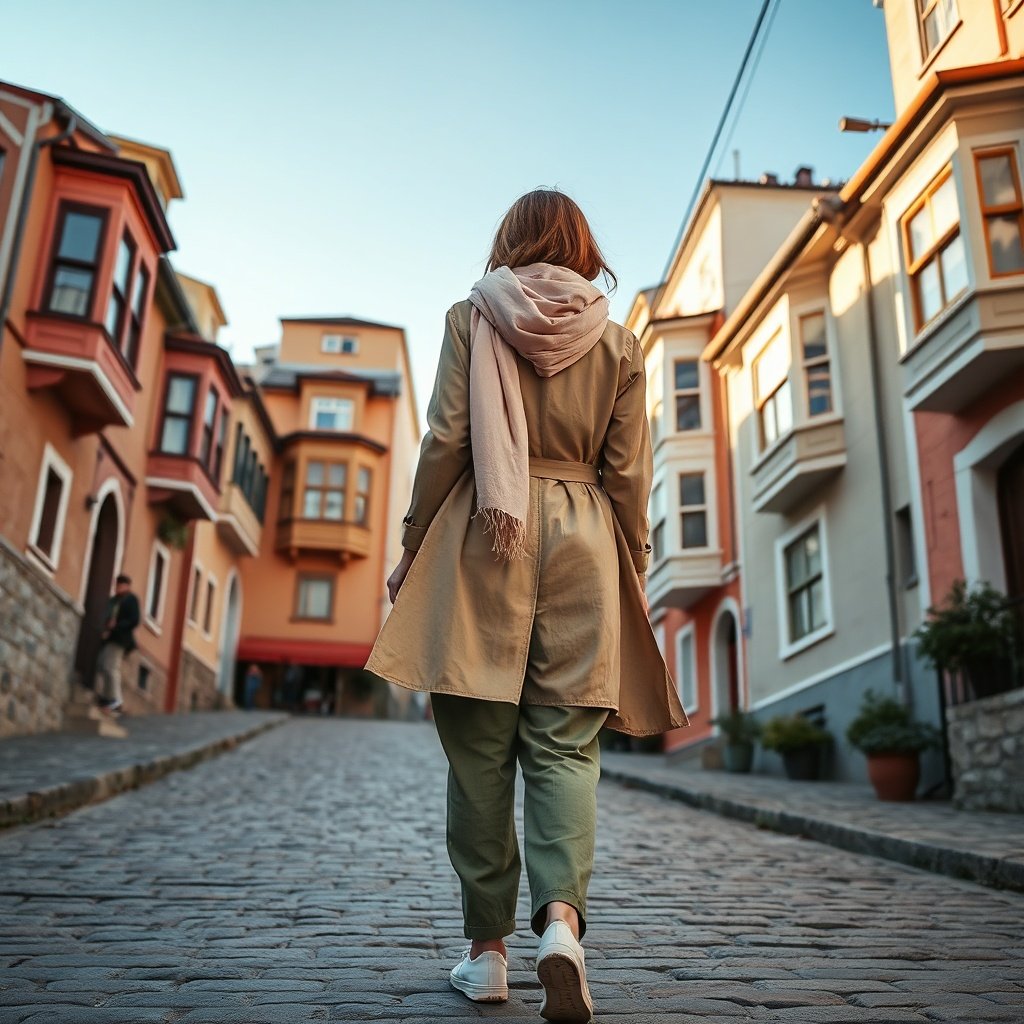

Packing for a trip to Turkey in 2026 requires a strategic approach to handle diverse climates, from the humid Mediterranean coast to the arid, high-altitude plateau of Cappadocia. Your Turkey travel packing list 2026 must prioritize versatility, layering, and cultural respect to ensure comfort across urban centers like Istanbul and rural historical sites. Travelers should focus on breathable fabrics for the heat, sturdy footwear for ancient ruins, and modest attire for religious visits, while also ensuring all electronics are compatible with Turkey’s Type C and F power outlets. Proper preparation allows you to navigate the country’s unique geography seamlessly, blending historical exploration with modern convenience.
Turkey stands as a premier destination bridging Europe and Asia, offering an unparalleled mix of history, culture, and landscapes for travelers in 2026. The country’s geography is incredibly varied, necessitating a packing strategy that accounts for the Mediterranean beaches, the bustling streets of Istanbul, and the unique rock formations of Central Anatolia. This guide serves as the ultimate resource for packing efficiently and respectfully, ensuring you are prepared for everything from steamy coastal afternoons to chilly dawn balloon rides.
Key Takeaways
- Pack layers to accommodate temperature fluctuations between coastal regions, Istanbul, and Cappadocia.
- Include a modesty kit (scarves and lightweight pants) for mosque visits regardless of the season.
- Bring a Type C or F power adapter and consider a universal power bank for long days of sightseeing.
- Invest in high-comfort, non-slip walking shoes for uneven cobblestones and rocky terrain in historical sites.
The Ultimate Turkey Travel Packing List 2026
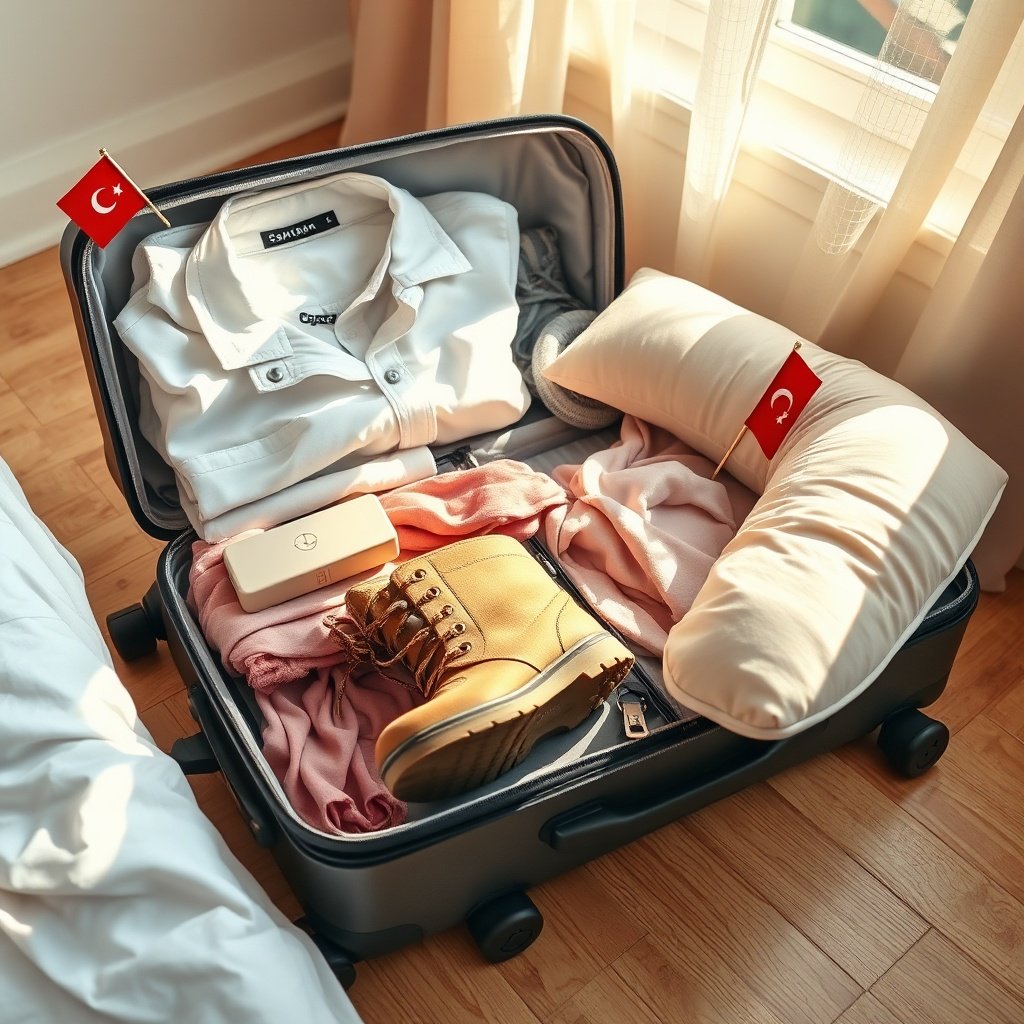
Shows a neatly packed suitcase with essential items for a versatile Turkey trip.
Creating a comprehensive Turkey travel packing list 2026 ensures you have all necessary Turkey travel essentials without overburdening your luggage. The key is to focus on multi-functional items that adapt to different settings and weather conditions.
Core Documentation and Financial Essentials
Your trip begins with paperwork. Ensure your passport is valid for at least six months beyond your planned departure date in 2026. While digital storage is convenient, carry a physical printout of your turkey visa requirements 2026 confirmation, specifically the e-Visa, as entry officials may request it upon arrival. Financially, rely on a mix of credit cards; Visa and Mastercard are widely accepted, but American Express is less common. Always carry a stash of Turkish Lira for cash-only establishments like small lokantas, public toilets, or local dolmuş (minibuses) rides.
Definition: e-Visa
An electronic authorization obtained online prior to travel that allows foreign nationals to enter Turkey for tourism or business, replacing traditional stamp stickers in passports.
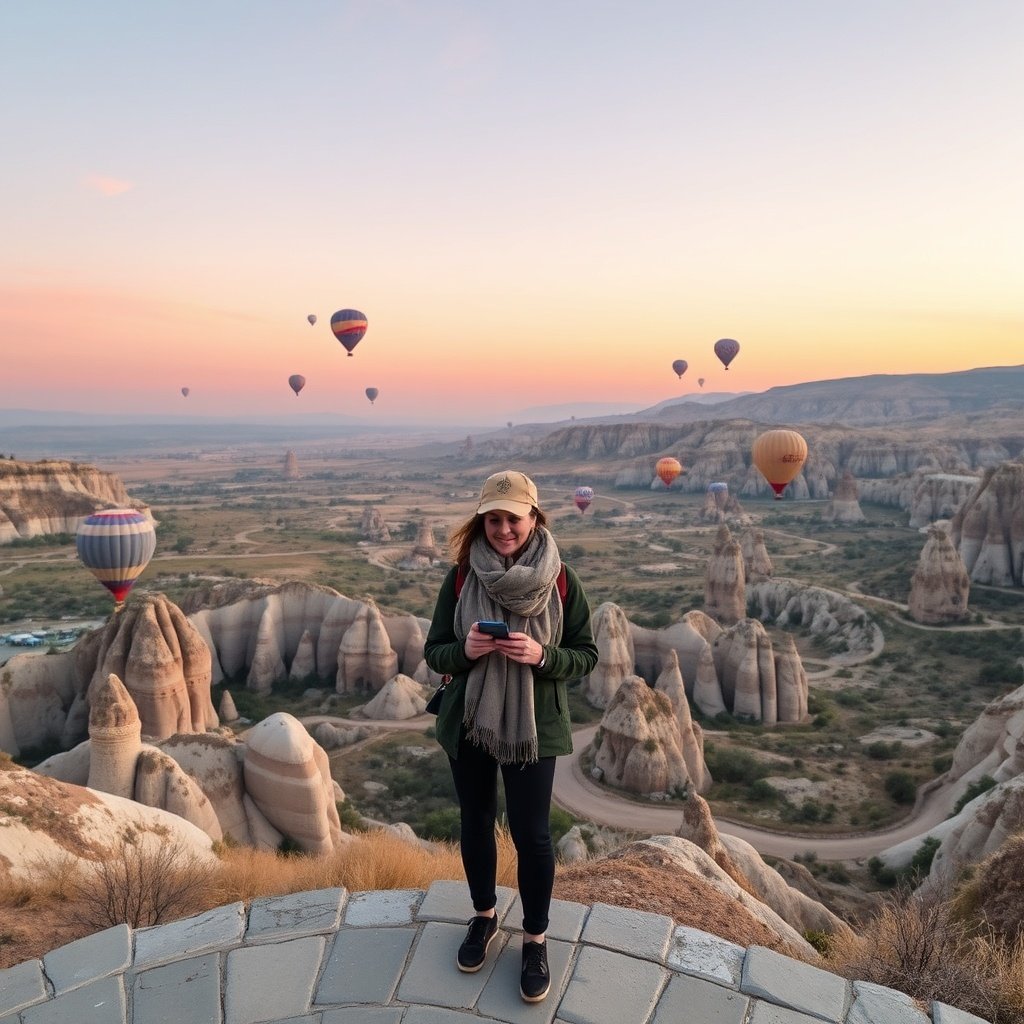
Depicts a prepared traveler exploring Cappadocia, highlighting packing essentials for the journey.
Clothing and Footwear Fundamentals
Selecting the right fabrics is crucial for the vacation packing list Turkey. Opt for breathable materials like linen or cotton to combat the summer heat, and pack merino wool layers for cooler months in the north or highlands. Adhere to the “one pair” rule to save space: one comfortable walking sneaker, one breathable sandal, and one dressier option for Istanbul’s vibrant nightlife. Weather in Istanbul can be unpredictable, so a lightweight rain jacket or windbreaker is non-negotiable to protect against sudden Bosphorus breezes or unexpected showers.
Toiletries and Health Kit
Pharmacies (eczane) are prevalent in Turkish cities, but having a personal kit saves time. High SPF sunscreen and lip balm with UV protection are vital, as the sun on the Mediterranean coast is intense. Dietary changes can affect sensitive stomachs, so pack Imodium or similar anti-diarrheal medications along with probiotics. Hygiene is paramount when traveling between cities; include hand sanitizer and biodegradable wet wipes for restroom stops in rural areas or highway rest stops.
Navigating Turkey’s Diverse Climates: Coastal vs. Inland Packing
Understanding what to wear in Turkey depends heavily on your specific itinerary, as Turkey weather by region varies drastically. A single wardrobe strategy will not work for the entire country; you must segment your packing based on altitude and proximity to the sea.
The Aegean and Mediterranean Coasts
If your 2026 itinerary includes Antalya, Bodrum, or Izmir, prepare for high heat and humidity. Pack multiple swimwear sets so you always have a dry pair, along with lightweight cover-ups for beach clubs. Wide-brimmed hats and polarized sunglasses are essential for protection against the intense sun. Do not forget water shoes; many beautiful beaches along the Turquoise Coast are rocky rather than sandy. Quick-dry synthetic clothing is superior to cotton here, as it handles perspiration better and dries rapidly after swimming.
The Central Anatolian Plateau (Cappadocia and Ankara)
The climate in Cappadocia is deceptive. While summer days can be hot, evenings cool down significantly due to the altitude. You will need a fleece or a light sweater for nights spent in cave hotels. For exploring the valleys, sturdy hiking boots are superior to street shoes; the terrain is rugged and uneven. If you are taking an early morning hot air balloon ride, thermal layers are critical. Dawn temperatures in the spring and autumn can hover near freezing, making the cappadocia hot air balloon attire focused on warmth over style.
The Black Sea Region and Eastern Turkey
The Black Sea coast receives rainfall year-round, differing vastly from the arid south. Pack a compact, durable umbrella and a waterproof rain jacket with a hood. For Eastern Turkey, particularly if visiting Mount Ararat or the ancient city of Ani in late autumn or winter, prepare for severe cold. A down jacket or a heavy wool coat is necessary. Moisture-wicking socks are crucial for hikes in the Kaçkar Mountains to prevent blisters and keep feet dry during rainy treks.
Quick Answer: What should I pack for a trip covering both coasts and Cappadocia?
Focus on layering. Pack light, breathable clothes for the coast, a fleece and waterproof jacket for the mountains, and specific warm layers (thermals, beanies) for Cappadocian mornings. Versatile items like zip-off pants and cardigans work best.
Modesty and Respect: Packing for Religious Sites and Local Customs
Navigating the Turkey dress code is essential for a respectful experience. While Turkey is secular and modern, religious sites and conservative neighborhoods require specific attire strategies.
The Mosque-Ready Kit
Major landmarks like Hagia Sophia and the Blue Mosque enforce strict entry rules. Knees and shoulders must be covered for everyone, and women must cover their hair. Instead of relying on often-unhygienic rental scarves provided at entrances, women should pack a large, lightweight shawl. This allows you to cover your hair and shoulders instantly upon entry. Men should avoid wearing shorts to these sites; if you prefer shorts, carry a pair of lightweight trousers or long shorts that reach below the knee in your daypack to change into before entering.
Blending in Urban Centers
Istanbul is a metropolis where fashion trends range from ultra-modern to traditional. In districts like Beyoğlu and Kadıköy, “smart casual” is the norm. You will fit in well with chinos, dresses, or stylish jeans. However, avoid overly revealing clothing such as crop tops, micro-miniskirts, or very short shorts, especially when away from the resort areas or in conservative neighborhoods. Modest clothing for mosques can double as stylish wear; scarves are excellent accessories that can adjust your modesty level as needed throughout the day.
Digital Nomad Essentials and Connectivity in 2026
Staying connected and powering your devices is a cornerstone of modern travel. Ensuring you have the right electronics for travel will prevent logistical headaches.
Power and Connectivity
Turkey operates on a 230V supply voltage and uses Type C and F plugs. These are the round-pin sockets common across Europe. If you are coming from the UK or US, you must physically verify that your devices handle 230V (most modern electronics do) and pack a compatible turkey power adapter type. A universal travel adapter is the safest investment. Battery life drains quickly when using GPS and translation apps, so bring a high-capacity power bank—ideally 20,000mAh—to navigate cities without anxiety. For data, a turkey eSIM for tourists offers the most convenience, though local SIM cards from providers like Turkcell or Vodafone are readily available at the airport.
Security and Photography Gear
Crowded areas like Grand Bazaar are ripe for pickpockets. Use a money belt or a neck wallet worn under your clothing to secure your passport and excess cash. Photography is a major part of the Turkish experience, but camera gear needs security. Pack a camera strap clip (like a Peak Design Capture) to secure your device to your bag strap while walking through busy Istanbul streets or on boats crossing the Bosphorus. If traveling in a group, a portable Wi-Fi hotspot device is a smart addition, allowing multiple connections without draining individual phone batteries.
The Footwear Strategy: Historic Cobblestones to Hot Air Balloons
Selecting the best shoes for Turkey is arguably the most critical decision you will make for your trip. The terrain is unforgiving to improper footwear.
Conquering the Historic Peninsula
Istanbul’s historic Sultanahmet area is defined by slippery, uneven cobblestones and steep, winding hills. Standard fashion sneakers or flat-soled canvas shoes offer no grip and can lead to dangerous slips. You need shoes with excellent tread and substantial arch support. Never pack brand-new unworn sneakers for this trip; break them in thoroughly before leaving home. Despite wearing good shoes, the sheer volume of walking—often 15,000 to 20,000 steps a day—can cause blisters. Pack moleskin or blister plasters as a preventative measure for your first few days.
Hiking the Cappadocian Valleys
Exploring Love Valley, Pigeon Valley, or Ihlara Valley requires proper walking gear for Europe‘s trails. Sandals are impractical here due to loose rocks, sharp thorns, and occasional reptiles. Closed-toe shoes with rugged, lugged soles are necessary for traction on the sandy and rocky paths. If you visit in spring or autumn, the trails can be muddy; investing in lightweight gaiters will keep your socks and ankles clean and dry.
Thermal Comfort for Balloon Rides
The cappadocia hot air balloon attire requires specific footwear consideration. You will be standing in the basket for an hour, often at altitudes where the wind chill is significant. Wear thick, warm socks (merino wool is ideal) paired with your hiking boots. Avoid open heels or sandals entirely. The landing of the balloon can be firm and occasionally on uneven terrain, so closed, sturdy shoes protect your feet from impact or scrapes during the final descent.
Quick Answer: Can I get away with just wearing sandals?
Generally, no. While sandals are great for the beach and hotel pools, you need closed-toe walking shoes with grip for Istanbul’s cobblestones and Cappadocia’s rocky valleys. Sandals do not provide enough support or protection for the amount of walking required.
FAQ Section
Do I need a visa to visit Turkey in 2026?
Most travelers from the US, UK, and EU can obtain an e-Visa online before arrival, while some nationalities may qualify for visa-free entry or visa-on-arrival; it is essential to check the latest 2026 regulations specific to your passport.
What type of power adapter do I need for Turkey?
Turkey uses Type C and F power outlets with a standard voltage of 230V; travelers from countries with different plugs (like the US or UK) will need a travel adapter.
Is it safe to drink tap water in Turkey?
While tap water in major cities like Istanbul is chlorinated and technically safe for cleaning teeth, it is highly recommended to drink bottled water to avoid stomach upset due to mineral content differences.
Can I wear shorts in Turkey?
Wearing shorts is generally acceptable in coastal resorts and tourist areas, but it is respectful to avoid them when visiting mosques, religious sites, or more conservative rural towns.
How much cash should I carry to Turkey?
Credit and debit cards are widely accepted in 2026, but you should carry enough Turkish Lira for small purchases, public transportation, tips, and visits to local markets or bazaars.
Conclusion
Mastering the art of packing for Turkey is about finding the perfect balance between preparation and flexibility. A well-curated Turkey travel packing list 2026 ensures you are ready for the humid beaches of Antalya, the historic streets of Istanbul, and the ethereal landscapes of Cappadocia without being weighed down by unnecessary gear. Respecting local customs through your dress code choices and protecting your feet with the right footwear are the two pillars of a smooth Turkish adventure. While having the right gear is vital, the most important thing to bring is an open mind ready to embrace the legendary hospitality and rich cultural tapestry that awaits you in 2026.