

“The gang food” is shorthand for one of life’s best problems: what to feed a group of friends when they all show up hungry. It is not a specific dish or cuisine — it is a practical approach to feeding a crowd with food that is shareable, crowd-pleasing, and easy to scale up without spending all day in the kitchen.
Key Takeaways
- “The gang food” is a flexible, social approach to feeding a group — not a specific recipe.
- Successful gang food starts with planning around your group’s preferences and dietary needs.
- The best gang food is make-ahead, portable, and served family-style or buffet.
- A balanced spread includes a mix of proteins, starches, veggies, and dips.
- You can feed a gang on any budget by focusing on simple, versatile ingredients.
The Complete Answer: What Is “The Gang Food”?
Quick Answer: “The gang food” simply means food prepared for a group of friends to share. It focuses on large, shareable portions, minimal last-minute effort, and dishes that appeal to a wide range of tastes.
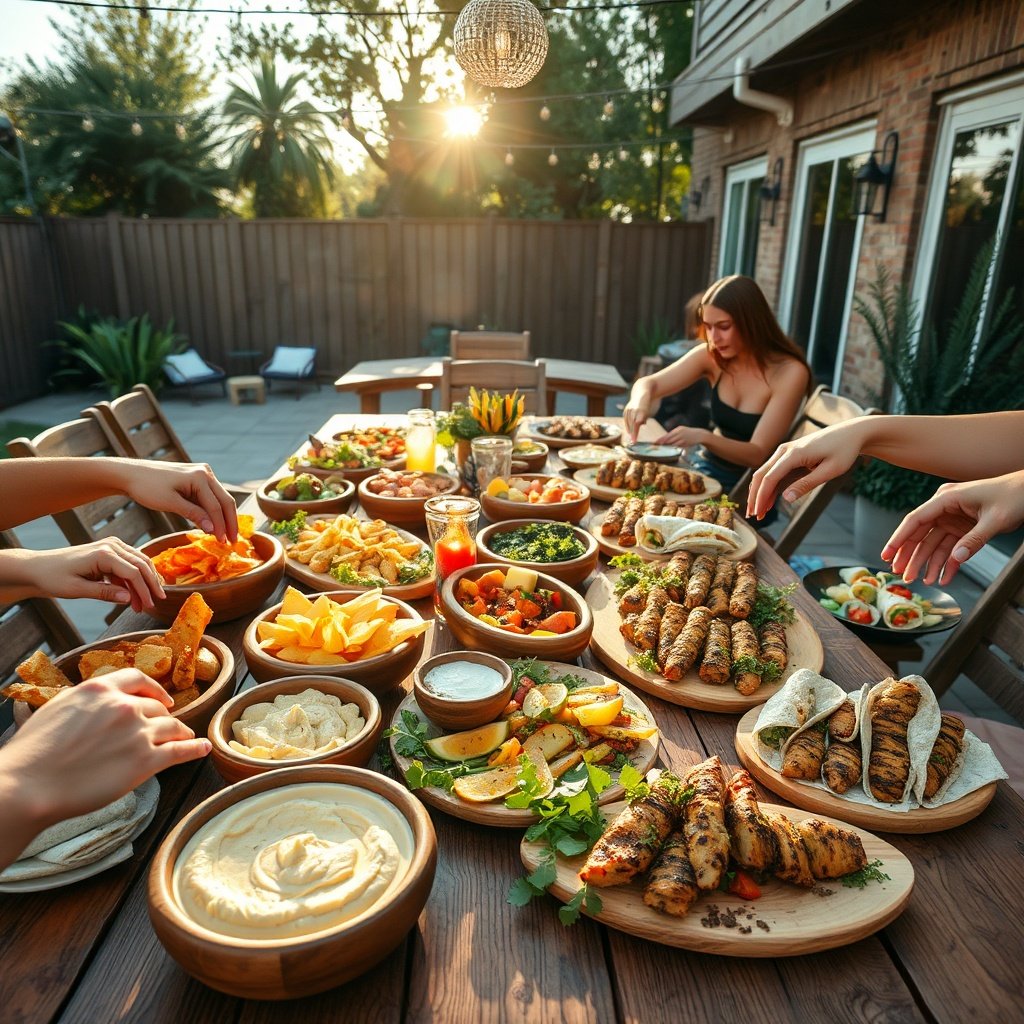
This effortless family-style setup perfectly captures the spirit of the gang food, making it easy for everyone to grab what they love. “The gang food” is food specifically chosen and prepared for a group of friends — your gang — to share. It is not about a particular dish or cuisine. It is a mindset and a set of practical food choices built around one goal: satisfying everyone without making the host a slave to the stove. The term carries an informal, social energy. It draws on the same spirit as community meal traditions and urban street food culture, where food is served in generous portions meant to be passed around, dipped into, and eaten with your hands. The focus is on the gathering, not the plating.
Definition and Core Characteristics
Definition: “The gang food” is a casual term for food prepared for a group of friends to share — typically easy, crowd-pleasing, and served in large portions.
Five defining traits set gang food apart from regular meals:
- Large, shareable portions. Platters, bowls, and trays replace individual plates. People serve themselves and pass things around.
- Broad appeal. Dips, mixed platters, and build-your-own options let everyone find something they like.
- Minimal final assembly. The food is ready to eat or requires only quick reheating when guests arrive.
- Budget-conscious. Simple, versatile ingredients stretch to feed more people without breaking the bank.
- Encourages mingling. Shared plates get people talking, moving, and eating together rather than sitting with a single plate.
Simple, make-ahead dishes like these turn any casual get-together into a seamless celebration of the gang food tradition.
How “Gang Food” Differs from Regular Meal Planning
Everyday dinners focus on individual portions — one plate, one protein, one side. Gang food flips that model entirely. Instead of asking “how many servings do I need?”, you ask “what can I put in the middle that everyone can reach?” The shift is from individual portions to shared spreads. The food becomes the centrepiece of the gathering, not just fuel between conversations. This is also why group meals and food for friends tend to lean on familiar, comforting dishes. Authentic regional recipes and neighborhood specialty dishes work well because they already have a built-in crowd-pleasing quality. People gather around them, talk about them, and come back for seconds.
How to Plan a Gang Food Menu (Step-by-Step)
Quick Answer: The best gang food is make-ahead. Dishes like pasta bakes, slow-cooker meals, and cold salads can be prepped the day before and reheated or assembled at serving time.
Planning is where gang food succeeds or fails. A little structure up front saves you from panic at serving time.
Step 1: Assess Your Gang’s Preferences and Restrictions
Before you buy anything, know who you are feeding. Ask your friends directly — a quick group chat or a casual conversation works well. Find out about dietary restrictions first. Vegetarian, vegan, gluten-free, nut allergies, and other sensitivities are common. You do not need a formal survey, but you do need to know the non-negotiables. A simple question like this covers most of it. This step also helps you avoid the awkward moment where someone has nothing to eat. Plan at least one universally friendly option — a salad, a plain protein, or a dip that works for everyone.
Step 2: Choose a Serving Style That Fits the Occasion
The way you serve affects what you cook. Three styles cover most gang gatherings:
- Family-style. Platters and bowls are placed on the table and passed around. Best for casual dinners where people sit together.
- Buffet. Food is arranged on a counter or table, and guests serve themselves. Best for larger groups, outdoor events, and anything where people are moving around.
- Plated. Each guest receives a pre-assembled plate. Best for more formal occasions, though it requires more effort and precision.
Choose based on the occasion. A casual game night calls for a buffet. A small dinner party can work family-style. Outdoor events almost always work best as a buffet, since people graze over time.
Step 3: Build a Balanced Spread with Make-Ahead Options
A balanced gang food spread covers four components:
- Protein. Chicken, beef, beans, tofu, or eggs.
- Starch. Bread, rice, pasta, potatoes, or tortillas.
- Vegetables. Roasted, raw, grilled, or in salads.
- Dips and sauces. The glue that brings everything together.
Make-ahead dishes are the backbone of gang food. Casseroles, tray bakes, slow-cooker dishes, and cold salads can all be prepped the day before. This frees you up during the gathering to actually spend time with your friends instead of hovering over the stove.
The Best Types of Food for a Gang: A Comparison Table
Choosing between food formats comes down to effort, crowd appeal, and the occasion. Here is a practical guide.
Table: Shareable Platters vs. Individual-Serve Options
| Food Type | Best For | Effort Level | Crowd Appeal |
|---|---|---|---|
| Shareable platters (charcuterie, nachos, pasta bowls) | Casual get-togethers, grazing over time | Low to moderate | High — everyone can pick what they like |
| Individual-serve options (sliders, skewers, hand pies) | Events where people are moving around | Moderate | High — easy to grab and eat standing |
| Build-your-own stations (taco bar, baked potato bar) | Large groups, varied dietary needs | Moderate | Very high — everyone customises their plate |
Shareable platters are the lowest-effort option and work well for most gatherings. Individual-serve options take a bit more prep but are perfect for standing events. Build-your-own stations are the most flexible for dietary restrictions, since everyone controls their own plate.
Quick Categories That Always Work (Dips, Bites, Bowls)
Three categories reliably work for any gang gathering:
- Dips. Hummus, guacamole, salsa, and cheese dips served with chips, crackers, and raw vegetables. They are cheap, easy, and impossible to get wrong.
- Bites. Finger foods like sliders, chicken wings, mini sandwiches, and loaded fries. They are easy to eat while talking or watching a game.
- Bowls. Grain bowls, salad bowls, and pasta bowls that combine protein, starch, and vegetables in one dish. They are filling, flexible, and can be made in large batches.
These categories also echo traditional cooking techniques found in food cultures around the world — the idea of building a meal around a few simple, shareable components rather than a complicated multi-course production.
Gang Food Ideas for Different Occasions
Quick Answer: For outdoor gatherings, focus on grilled skewers, burgers, foil packets, and cold salads — foods that travel well and can be cooked or assembled outside.
Different occasions call for different approaches. Here is how to adapt your gang food plan.
Game Night: Bites, Dips, and Easy Finger Foods
Game night is about food you can eat while watching, without looking down for too long. Sliders, loaded fries, chicken wings, and multiple dips are the go-to options. These foods work well because they can be kept warm and replenished easily. Multiple dips give people choices without requiring more cooking.
Outdoor Gatherings: Grilled, Portable, and Make-Ahead Options
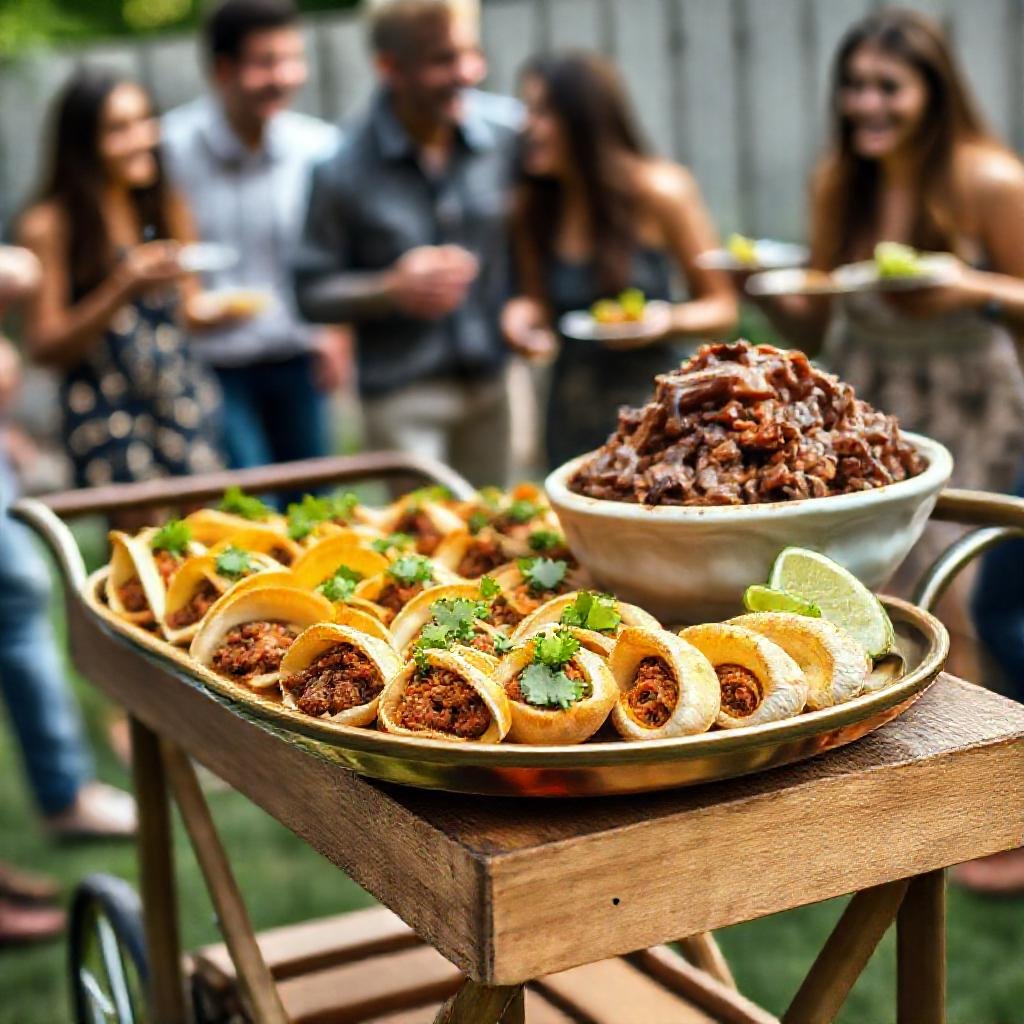
Outdoor events need food that travels well and can be cooked outside. Grilled skewers, burgers, foil packets, and cold salads are all strong choices. Foil packets are especially good — you can prep them at home, transport them, and throw them on the grill. Cold salads and make-ahead sides round out the meal without needing heat. Follow basic food safety practices when serving food outdoors: keep cold dishes cold and hot dishes hot, and do not leave perishable food out for extended periods during your event.
Casual Dinners: One-Pot and Sheet-Pan Meals
When you want a proper dinner with minimal cleanup, one-pot and sheet-pan meals are the answer. Casseroles, tray bakes, and pasta dishes all feed a crowd from a single vessel. Sheet-pan dinners are particularly efficient. Throw protein and vegetables on a pan, roast everything together, and serve straight from the pan. One-pot pasta dishes work the same way — everything cooks in one pot, and you serve from the same pot. Minimal cleanup means more time with your gang.
How to Serve the Gang: Presentation and Logistics
Getting the food from the kitchen to the table is the final challenge. A little setup goes a long way.
Setting Up a Self-Serve Station
A self-serve station should be arranged for easy flow. Place plates and utensils at the start, then arrange dishes in the order you want people to build their plates — starch first, then protein, then vegetables, then dips and sauces. Label dishes clearly, especially if they contain common allergens. Provide a serving utensil for every dish so people do not mix things up. Keep the station tidy by placing napkins and a bin nearby, and refresh dishes as they run low.
Keeping Food Warm and Fresh Throughout the Meal
Maintaining food temperature matters for both taste and safety. Chafing dishes, slow cookers, and insulated trays keep hot food hot. Cold packs and ice baths keep cold dishes cold. Replenish dishes as they run low rather than putting out everything at once. This keeps the food at the right temperature and prevents waste. A small rotation system — one dish out, one dish in the oven or fridge — works well for longer gatherings.
Portioning for a Crowd
Portion sizes depend heavily on the type of food and the occasion. A taco bar with lots of toppings will stretch further than a main-course pasta dish. The best approach is to plan generously and accept that you may have leftovers — leftovers are rarely a problem with gang food. If you are feeding a large group, consider how many dishes you are serving. More variety means people eat a little of each, so you need less of any single dish. Fewer dishes means you need more of each one.
Frequently Asked Questions
What does “the gang food” mean?
In short, it’s the food you serve when your whole group shows up hungry — easy, crowd-pleasing, and portioned for sharing.
How much food do I need for a group of friends?
The amount depends on the type of food and the occasion. A spread with many dishes stretches further than a single main course. Plan generously, and remember that leftovers are easy to use the next day.
What are some budget-friendly gang food ideas?
Pasta bakes, taco bars, and slow-cooker dishes are all cost-effective options that stretch ingredients. Beans, rice, and seasonal vegetables are cheap and filling.
Can I make gang food ahead of time?
Yes — most gang food is designed to be make-ahead. Dishes like casseroles, salads, and slow-cooker meals can be prepped the day before and reheated or assembled at serving time.
How do I handle dietary restrictions when feeding a gang?
Ask guests ahead of time, label dishes clearly, and include at least one universally friendly option like a salad or a plain protein. Build-your-own stations are especially effective because everyone controls their own plate.
Conclusion
“The gang food” is a flexible, social approach to feeding a group, built around planning, shareable formats, and simple logistics. The key is to start with your gang’s preferences, choose a serving style that fits the occasion, and lean on make-ahead dishes that free up your time. Start with one make-ahead dish and build your gang food spread from there. Once you see how easily a shared spread comes together, you will find yourself planning these gatherings more often — and enjoying them more, too.
