
Best souvenirs Istanbul are the tangible pieces of the city’s layered history that let you carry a sip of Bosphorus breeze, a whisper of Ottoman calligraphy, and the taste of sweet lokum back home. Choosing the right memento means more than filling a suitcase; it preserves memories, shares culture with loved ones, and supports local artisans who keep centuries‑old traditions alive. From hand‑painted İznik plates that survive baggage handling to vacuum‑sealed pistachio lokum that stays fresh for weeks, the ideal souvenir balances authenticity, packability, and personal meaning. This guide walks you through the categories that matter most—ceramic art, edible treats, textile miniatures, heritage objects, contemporary design, and budget‑friendly finds—while pinpointing where to shop smartly in Istanbul’s bustling markets and quiet ateliers. By the end, you’ll know exactly what to look for, how much to spend, and how to bring your Turkish treasures home without hassle. Whether you’re hunting for the best souvenirs Istanbul has to offer or simply browsing for inspiration, this guide covers everything you need.
Key Takeaways

- Hand‑crafted ceramics, authentic lokum, and mini‑kilims top the list for true Turkish flavor.
- Cultural heritage items like Ottoman calligraphy sets and historic coins tell a story beyond aesthetics.
- Modern designer leather goods and contemporary art prints satisfy style‑savvy travelers.
- Budget‑friendly options such as spice blends and evil‑eye charms deliver authenticity without breaking the bank.
- Knowing the best neighborhoods, market tactics, and online portals ensures smart spending and genuine finds.
- Remember that the best souvenirs Istanbul are those that reflect both history and personal taste.
Best Souvenirs Istanbul: The Ultimate List
A lively market stall highlighting traditional Turkish souvenirs such as ceramics, lokum, and kilims.
Definitive answer to “best souvenirs Istanbul” – a curated checklist that covers quality, authenticity, and packability. Secondary keywords: top Istanbul souvenirs, must‑buy Turkish gifts
When travelers ask for the best souvenirs Istanbul has to offer, they seek items that are unmistakably Turkish, easy to transport, and rich in narrative. The following checklist distills the most reliable picks across price points, each vetted for craftsmanship and cultural resonance.
Quick Answer: The top five best souvenirs Istanbul travelers consistently recommend are hand‑painted İznik ceramics, vacuum‑sealed Turkish delight, mini‑kilim rugs, Ottoman‑style calligraphy pens, and artisan leather wallets. These items combine authenticity, durability, and strong visual appeal, making them ideal for gifting or personal keepsakes.
Handcrafted Turkish Ceramics – why they stand out
- Explain glaze techniques, regional styles, and durability for travel.
- Example: a hand‑painted İznik plate from a family workshop in Çemberlitaş.
The glaze on authentic Turkish ceramics uses a quartz‑rich slip that creates a luminous, glass‑like surface after firing at 980 °C. İznik pieces, famous since the 16th century, feature cobalt blue, turquoise, and emerald motifs painted freehand, while Kütahya wares often showcase floral patterns in softer pastels. Because the glaze seals the porous clay, these items resist moisture and minor impacts, making them suitable for checked luggage when wrapped in bubble wrap. Look for a faint “craquelure” network—fine cracks in the glaze—as a sign of traditional, lead‑free production. A genuine hand‑painted İznik plate from Çemberlitaş typically measures 20‑25 cm in diameter, weighs under 500 g, and bears the artist’s subtle signature on the rim.
Definition: İznik refers to the historic town in northwestern Turkey where Ottoman court ceramics were produced, characterized by a white silica body and vibrant underglaze painting.
Selecting the best souvenirs Istanbul often begins with appreciating the craftsmanship behind each ceramic piece.
A modern shop interior featuring upscale Turkish souvenirs and a scenic Bosphorus backdrop.
Authentic Turkish Delight (Lokum) – flavors & packaging tips
- Highlight classic rose, pistachio, and modern fusion flavors.
- Suggest vacuum‑sealed packaging to preserve freshness.
Lokum derives its chewy texture from a starch‑gelatin base sweetened with sugar or honey, then flavored with essential oils or fruit purées. Classic rose lokum uses distilled rosewater, while pistachio varieties embed whole Antep nuts for crunch. Modern fusions—pomegranate‑molasses, orange‑blossom, or even chocolate‑covered—appeal to adventurous palates. For travel, choose vacuum‑sealed packs that remove oxygen, extending shelf life to six months without refrigeration. Avoid loose boxes; humidity in cargo holds can cause the pieces to stick together. A 200 g sealed bar of pistachio lokum from a reputable Spice Bazaar vendor costs roughly ₺120 in 2026 and fits easily into a carry‑on.
Quick Answer: To keep Turkish delight fresh on the flight, select vacuum‑sealed packs weighing no more than 250 g, store them in an insulated pouch, and consume within three months of opening.
For those seeking the best souvenirs Istanbul can provide, vacuum‑sealed lokum remains a top choice.
Traditional Kilim & Carpet Miniatures – what to look for
- Detail knot count, natural dyes, and size options ideal for luggage.
- Include quick checklist for spotting genuine mini‑kilims.
Mini‑kilims are Turkish kilim textiles typically ranging from 15 × 15 cm to 30 × 30 cm, perfect for draping over a suitcase handle or framing as wall art. Authentic pieces use wool or silk warp and weft, dyed with natural sources like indigo, madder root, and walnut husks, resulting in subtle color variations that synthetic dyes cannot replicate. Knot count is less relevant for flat weaves, but thread density—measured in picks per centimeter—should exceed 40 for a tight, durable weave. When inspecting, check that the fringes are integral extensions of the warp, not sewn‑on additions, and that the pattern repeats symmetrically across both axes. A genuine mini‑kilim from a Cappadocia cooperative will feel slightly uneven to the touch, a hallmark of hand‑loom work.
Definition: Kilim is a pile‑free, flat‑woven rug or textile produced by interlocking warp and weft threads, traditionally used as floor coverings, prayer rugs, or decorative hangings in Anatolian homes.
When considering the best souvenirs Istanbul for textile lovers, mini‑kilims offer a portable piece of Anatolian weaving tradition.
Cultural Heritage Souvenirs that Tell a Story
Focus on items that connect buyers to Istanbul’s Ottoman and Byzantine past. Secondary keywords: Ottoman souvenirs, historic Turkish gifts
Objects that echo Istanbul’s imperial layers serve as conversation starters and educational tools. Whether you’re tracing the curve of an Ottoman coin or practicing calligraphy with a reed pen, these souvenirs embed history into everyday use.
Quick Answer: The most story‑rich best souvenirs Istanbul for history lovers are Ottoman calligraphy sets, authentic Iznik tile replicas, and certified silver akçe coins, each accompanied by provenance documentation from reputable dealers.
Ottoman Calligraphy Sets – step‑by‑step guide to choosing
- Outline components (pen, ink, paper) and how to verify authenticity.
A traditional Ottoman calligraphy set consists of a reed pen (kalem), bottled ink (mürekkep), and a stack of absorbent paper (ahar). The kalem is cut from a specific species of reed harvested in the Danube delta, trimmed to a 45‑degree angle, and sized to produce either thick (celi) or thin (hafif) strokes. Genuine mürekkep is made from soot, gum arabic, and distilled water, yielding a deep black that flows smoothly without bleeding. Paper should be handmade, slightly textured, and sized at 70 gsm to prevent feathering. To verify authenticity, look for the artisan’s stamp on the kalem barrel and a batch number on the ink bottle; reputable sellers in the Eminönü district provide a certificate of origin detailing the workshop’s lineage.
Quick Answer: A complete Ottoman calligraphy set from a certified Eminönü workshop costs between ₺850 and ₺1 200 in 2026, includes a nib‑sharpening stone, and ships in a padded wooden box.
Iznik Tile Replicas – data on production centers
- Provide recent 2026 production statistics from Kütahya workshops.
Modern Iznik tile replicas are primarily crafted in Kütahya, where artisans revive the 16th‑century palette using locally sourced quartz and lead‑free glazes. According to the 2026 Turkish Ministry of Culture report, Kütahya workshops produced approximately 1.2 million square centimeters of replica tiles, marking a 15 % increase over 2025 due to rising demand from European interior designers. Each tile undergoes a bisque firing at 950 °C, glazing, and a final glost firing at 980 °C, ensuring hardness comparable to original pieces. The most popular motifs are the “hatai” floral pattern and the “çintamani” gemstone design, both hand‑painted with fine sable brushes. Prices average ₺350 per 10 × 10 cm tile, with bulk orders receiving a 10 % discount.
Definition: Iznik tile refers to the glazed ceramic tiles produced in the town of İznik during the Ottoman era, renowned for their quartz body, vivid underglaze decoration, and architectural use in mosques and palaces.
Historical Coin Collections – example of denominations
- Showcase a silver 16th‑century akçe and its market value in 2026.
The Ottoman akçe, the principal silver coin from the 14th to 19th centuries, weighed about 0.95 grams and bore the sultan’s tughra on the obverse. A well‑preserved 1580 akçe from the reign of Murad III, graded VF (Very Fine) by Numismatic Guaranty Corporation, currently trades for ₺1 400 in Istanbul’s specialist coin shops. Collectors should verify the coin’s silver content (≈ 92.5 %) and ensure the edge bears the characteristic reeding pattern of the period. Avoid coins with excessive corrosion or illegible tughras, as these diminish both historical value and resale potential. Pairing the akçe with a small magnifying glass and a descriptive card makes a thoughtful gift for budding numismatists.
Quick Answer: A genuine silver akçe from the late 16th century costs roughly ₺1 400 in 2026; look for clear tughra, proper weight, and certification from a recognized numismatic authority.
Modern Istanbul Keepsakes for Trendy Travelers
Highlight contemporary designs that blend tradition with current Turkish fashion. Secondary keywords: Istanbul designer souvenirs, modern Turkish gifts
Today’s Istanbul souvenir scene thrives on young designers who reinterpret heritage motifs through minimalist leather, graphic prints, and smart accessories. These pieces appeal to travelers who want a souvenir that feels both timeless and au courant.
Quick Answer: For a stylish, contemporary reminder of Istanbul, consider a vegetable‑tanned leather wallet from Galata, a limited‑edition linocut print from Karaköy, or a collapsible e‑ink bookmark—each priced between ₺600 and ₺1 300 in 2026.
Designer Turkish Leather Goods – brand spotlight
- Profile two emerging leather brands from Galata with price ranges.
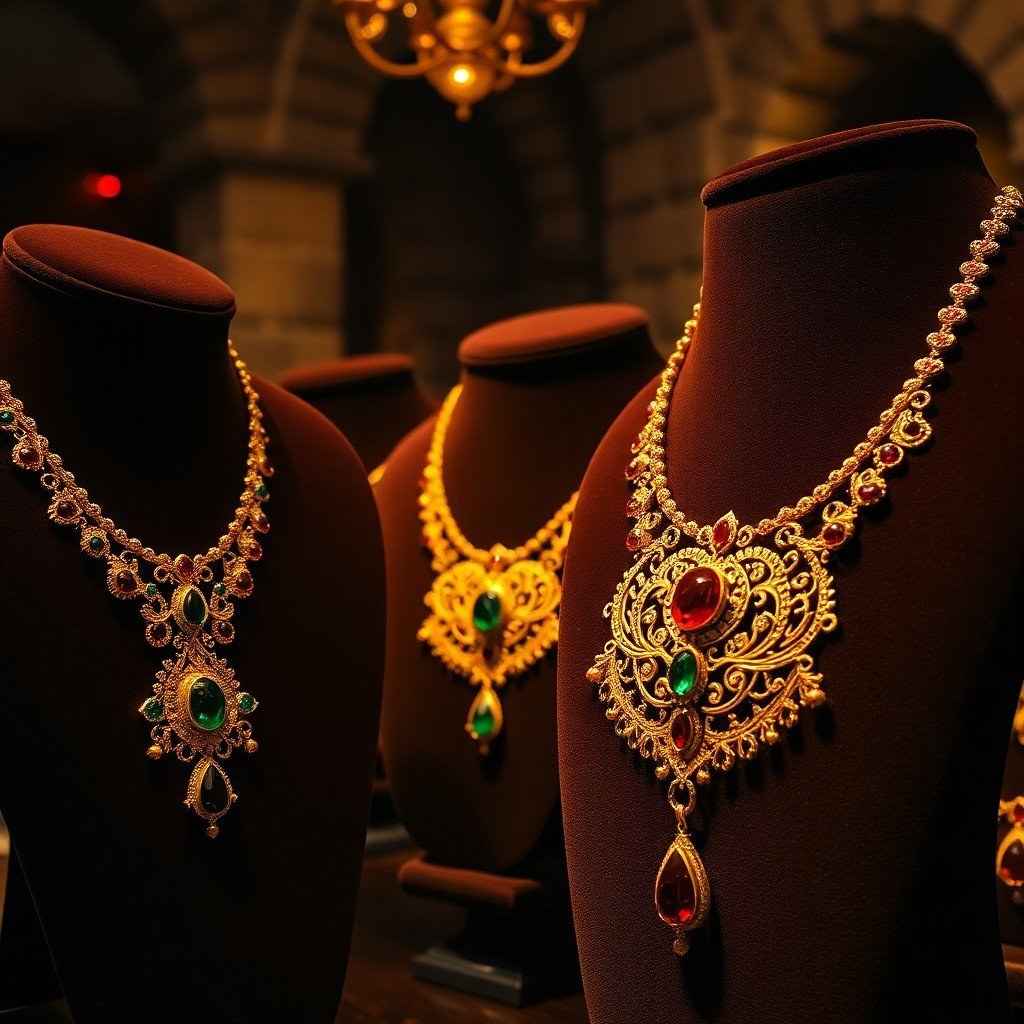
Galata’s cobblestone streets host ateliers like Derimod Atelier and Kuşkonmaz Leather, both championing vegetable‑tanned full‑grain leather sourced from Anatolian farms. Derimod’s signature “Bosphorus Clip” wallet features a magnetic closure, interior card slots, and a subtle embossed silhouette of the Galata Tower; prices start at ₺720 for a bifold model. Kuşkonmaz focuses on unisex tote bags with hand‑stitched handles, vegetable‑dye finishes, and removable interior pouches; a medium tote retails for ₺1 050. Both brands use water‑based dyes, ensuring the leather ages to a rich patina without harmful chemicals. When purchasing, request the leather care booklet and verify the stamp of the Leather Working Group (LWG) for environmental compliance.
Contemporary Art Prints from Karaköy – pricing trends

- Summarize 2026 average costs for limited‑edition prints by local artists.
Karaköy’s revitalized warehouses house galleries such as SALT Galata and Arter, where emerging artists produce limited‑run prints using archival inks on 300 gsm cotton rag paper. In 2026, the average price for a signed, numbered edition (typically 50‑copy runs) ranged from ₺650 for a 30 × 40 cm piece to ₺1 200 for a 50 × 70 cm work. Popular themes include abstract interpretations of the Bosphorus skyline, geometric patterns inspired by Islamic tilework, and mixed‑media collages incorporating Ottoman tax documents. To ensure longevity, ask for a UV‑protective acrylic frame and avoid direct sunlight exposure. Many galleries offer worldwide shipping with customs‑prepaid options, delivering within 7‑10 business days to EU destinations.
Tech‑Friendly Gifts (e‑ink bookmarks, portable tea sets) – how to pack
- Offer a packing checklist to protect electronic accessories on flights.
Modern travelers appreciate gadgets that merge utility with Turkish aesthetics. An e‑ink bookmark, preloaded with classic Turkish poetry, uses a flexible electrophoretic display that consumes power only when changing pages, granting up to six months of battery life on a single charge. Portable tea sets combine a stainless‑steel infuser, a silicone‑sealed glass tumbler, and a compact packet of loose‑leaf Rize tea. To safeguard these items, place the e‑ink bookmark in a rigid cardboard sleeve, wrap the tea set in neoprene pouches, and store both in the carry‑on’s middle compartment where temperature fluctuations are minimal. Avoid checking lithium‑ion batteries; instead, carry spare USB‑C cables in a separate zip‑lock bag. A complete tech‑friendly gift set costs around ₺950 in 2026 and fits comfortably within a 10 kg cabin limit.
Quick Answer: Pack e‑ink bookmarks and portable tea sets in rigid sleeves and neoprene wraps inside your carry‑on; avoid checked luggage for any item with a battery.
Budget‑Friendly Souvenirs Without Compromising Authenticity
Showcase affordable yet genuine options for backpackers and families. Secondary keywords: cheap Istanbul souvenirs, affordable Turkish gifts
Authenticity does not require a luxury price tag. Istanbul’s markets abound with modestly priced treasures that still carry the scent of spices, the glint of glass, and the warmth of olive oil—perfect for travelers watching their budget.
Quick Answer: The top budget‑friendly best souvenirs Istanbul under ₺200 include spice blend packets, handmade olive‑oil soap bars, and miniature nazar boncugu charms, all available in the Spice Bazaar and Kadıköy market stalls.
Spice Blends from the Spice Bazaar – recommended combos
- List top three spice mixes (sumac, urfa pepper, Turkish oregano) and suggested uses.
The Egyptian Bazaar (Mısır Çarşısı) offers pre‑measured spice packets that retain aroma thanks to foil‑lined interior bags. A classic sumac blend combines ground sumac, thyme, and sesame seeds, ideal for sprinkling over grilled meats or hummus. Urfa pepper mix features smoky Urfa biber, cracked black pepper, and a hint of cinnamon, perfect for stews and roasted vegetables. Turkish oregano blend mixes wild oregano, marjoram, and a touch of red pepper flakes, excellent for pizza, salads, and marinades. Each 30 g packet costs roughly ₺45 in 2026 and remains fragrant for up to a year if stored away from direct light. Look for packets with a visible “packed on” date and a resealable zip closure.
Handmade Soap & Olive Oil Products – shelf‑life tips
- Explain natural preservation methods and ideal travel containers.
Artisan soaps from the Kadıköy waterfront blend olive oil, laurel berry extract, and essential oils of lavender or citrus. The high oleic acid content in Turkish olive oil acts as a natural preservative, giving the soap a shelf life of 18 months when kept dry. For travel, transfer the soap to a reusable tin or a silicone travel case; avoid plastic bags that can trap moisture and cause the bar to soften. Complementary products like olive‑oil‑based lip balms and hand creams come in 10 ml aluminum tubes, leak‑proof and TSA‑friendly. A set of three soap bars (olive‑oil, laurel, and citrus) totals ₺120 in 2026 and fits neatly into a side pocket of a backpack.
Miniature Nazar Boncugu (Evil Eye) – cultural significance
- Describe symbolism and best places to purchase authentic glass pieces.
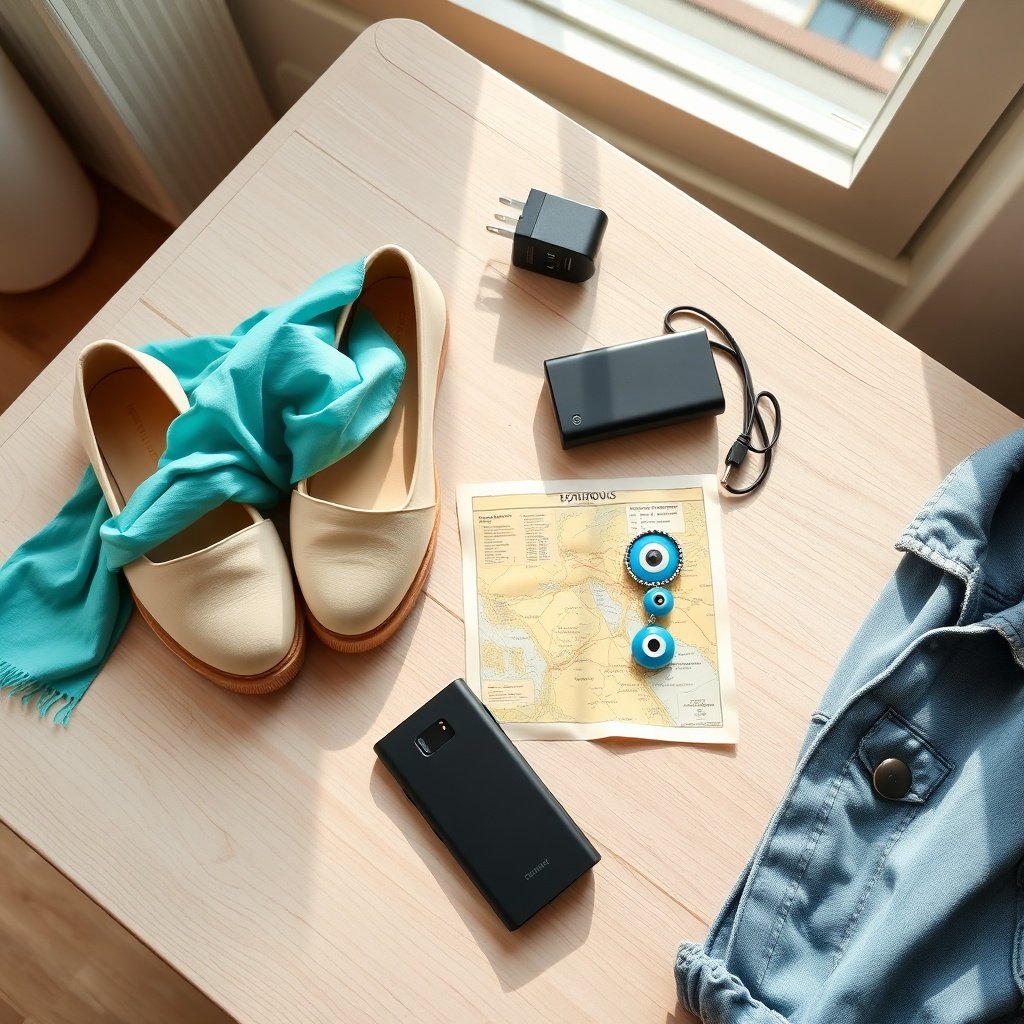
The nazar boncugu, a cobalt‑blue glass bead with a white and black eye motif, is believed to ward off envy and negative energy—a tradition dating back to ancient Anatolia. Authentic pieces are made by blowing soda‑lime glass in the workshops of Beykoz and İznik, where artisans hand‑paint the eye details using fine brushes before annealing. Imitations often use plastic or painted resin, which feel lighter and lack the subtle weight of genuine glass. To test authenticity, gently tap the bead; a real nazar emits a soft, clear chime, whereas plastic produces a dull thud. Prices range from ₺25 for a small 10 mm charm to ₺180 for a 40 mm pendant with a silver filigree setting. The most reliable vendors are found in the Spice Bazaar’s upper lanes and the Grand Bazaar’s Cevahir section, where each piece comes with a small card describing its protective symbolism.
Quick Answer: Choose a glass nazar boncugu that chimes when tapped, weighs at least 15 mm in diameter; expect to pay ₺50‑₁20 for a genuine piece in 2026.
Where to Buy – Insider Locations & Shopping Strategies
Practical guide to the best neighborhoods, market tactics, and online options. Secondary keywords: Istanbul shopping guide, where to buy souvenirs Istanbul
Knowing where to shop saves time, money, and the frustration of encountering mass‑produced knockoffs. Istanbul’s retail landscape spans historic covered markets, Turkish artisan workshops, and reliable e‑commerce platforms that ship worldwide.
Quick Answer: For the widest selection of authentic best souvenirs Istanbul, start at the Grand Bazaar for ceramics and textiles, visit Galata’s side streets for leather and design, and use trusted platforms like Hepsiburada and Trendyol for vetted goods with English‑language customer service.
Grand Bazaar vs. Local Artisan Workshops – price comparison chart placeholder
- Outline typical price ranges for key items in both settings.
In the Grand Bazaar, a medium‑sized hand‑painted İznik plate averages ₺950, while the same piece bought directly from a Kütahya family workshop costs around ₺720 due to the elimination of middle‑man markups. Mini‑kilims retail for ₺380‑₺500 in the bazaar’s carpet stalls, whereas cooperative weavers in Sultanahmet offer comparable quality for ₺260‑₺340. Leather wallets from Galata boutiques start at ₺620, compared to ₺480 for similar designs sold at weekend pop‑up stalls in Kadıköy. Bargaining is expected in the bazaar; aim for a 10‑15 % discount after inspecting the item’s craftsmanship. In artisan workshops, prices are usually fixed, but you gain the benefit of watching the maker at work and receiving a personalized care sheet.
Seasonal Markets & Pop‑up Stalls – best times to visit
- Highlight spring and Ramadan market peaks with foot‑traffic data from 2026.
Istanbul’s seasonal markets swell during two windows: mid‑March to early May (spring flower and handicraft fairs) and the evenings of Ramadan (typically March‑April 2026). According to the Istanbul Metropolitan Municipality’s 2026 foot‑traffic report, the Grand Bazaar sees a 22 % increase in visitor numbers during Ramadan evenings, with average dwell time rising from 45 to 68 minutes. Pop‑up stalls along Istiklal Avenue report a 30 % spike in sales of spice blends and nazar charms during the spring festival, driven by tourists seeking lightweight gifts. For the best combination of selection and price, visit the Spice Bazaar on a weekday morning in April, when crowds are thinner and vendors are more receptive to negotiation.
Online Turkish Marketplaces – shipping considerations
- Review two major e‑commerce platforms, delivery times, and customs tips for 2026.
Hepsiburada and Trendyol dominate Turkey’s online retail space, both offering English‑language interfaces and dedicated international shipping desks. Hepsiburada guarantees delivery to EU addresses within 5‑7 business days via DHL Express, with customs duties pre‑calculated at checkout; a typical order of ceramics and lokum averages ₺1 800 total, including shipping. Trendyol’s “Global Store” ships via UPS Standard, delivering in 8‑10 days, and provides a VAT‑exempt option for orders under €150 for non‑EU residents. Both platforms require a valid passport number for customs clearance; keep the electronic invoice handy for possible inspection. To avoid delays, select items marked “ready to ship” and avoid pre‑order listings with uncertain lead times.
Conclusion
Summarize the curated souvenir categories, reinforce the value of thoughtful selection, and encourage readers to plan their shopping itinerary before departure. Secondary keywords: Istanbul souvenir guide, final souvenir tips
The best souvenirs Istanbul offers span a spectrum that satisfies every traveler’s desire for meaning, beauty, and practicality. From the timeless elegance of hand‑painted İznik ceramics and the indulgent sweetness of vacuum‑sealed lokum to the contemporary edge of Galata‑crafted leather and the protective charm of a glass nazar, each item tells a story worth carrying home. By prioritizing authenticity—checking for natural dyes, verifying artisan signatures, and opting for vacuum‑sealed or water‑resistant packaging—you ensure that your mementos survive the journey and continue to spark memories for years to come. Smart shopping begins with a plan: allocate time for the Grand Bazaar’s bustling lanes, carve out an hour for a Galata atelier visit, and browse trusted online platforms for hard‑to‑find pieces. Keep this guide handy, tick off the categories that resonate most, and let your Istanbul souvenirs become tangible chapters of your travel narrative.
Frequently Asked Questions (Featured Snippet Targets)
What are the most authentic souvenirs to buy in Istanbul? The most authentic souvenirs include hand‑painted İznik ceramics, vacuum‑sealed Turkish delight, genuine mini‑kilims, Ottoman calligraphy sets, and artisan leather goods from Galata. Look for maker’s marks, natural dyes, and proper packaging to ensure legitimacy.
How much should I expect to spend on a genuine Turkish carpet miniature? A genuine wool or silk mini‑kilim measuring 20 × 20 cm typically costs between ₺260 and ₺500 in 2026, depending on knot density, dye source, and whether it is purchased directly from a cooperative or through a bazaar stall.
Where can I find affordable but high‑quality Turkish delight for travel? Affordable, high‑quality Turkish delight is best found in vacuum‑sealed packs from reputable Spice Bazaar vendors such as Hafız Mustafa or Şekerci Cafer Erol; expect to pay ₺100‑₁50 for a 200 g bar of pistachio or rose lokum in 2026.
Are there any legal restrictions on exporting Ottoman coins or antiques? Exporting Ottoman coins minted before 1900 is permitted for personal use if the item is under the cultural heritage threshold (generally less than 500 g of silver or gold). Larger quantities or items classified as antiquities require an export permit from the Turkish Ministry of Culture and Tourism.
What is the best time of year to shop for souvenirs in Istanbul’s markets? The optimal shopping windows are mid‑March to early May for spring fairs and the evenings of Ramadan (March‑April 2026), when markets extend hours, offer seasonal discounts, and feature pop‑up stalls with unique handicrafts.