IST Istanbul Airport
  • Departures
  • Arrivals
  • Airlines at IST Airport
  • Services
    • RESTAURANTS AND FOOD
    • Lounges
    • Transports
    • Car rental
  • Parking
  • Contact Us
  • Blog
IST Istanbul Airport
  • Departures
  • Arrivals
  • Airlines at IST Airport
  • Services
    • RESTAURANTS AND FOOD
    • Lounges
    • Transports
    • Car rental
  • Parking
  • Contact Us
  • Blog
IST Istanbul Airport
  • Departures
  • Arrivals
  • Airlines at IST Airport
  • Services
    • RESTAURANTS AND FOOD
    • Lounges
    • Transports
    • Car rental
  • Parking
  • Contact Us
  • Blog
@2023 - Ist Airpot Istanbul, non official airport website. Disclaimer
Istanbul Airport

Istanbul Airport Arrival Time: 30 Min Or 90?

by irport-istanbul-Admin 12 September 2026
written by irport-istanbul-Admin

Knowing your Istanbul airport arrival time is the difference between a relaxed departure and a missed flight. Istanbul Airport (IST) is a massive global hub on the European side of the city, and the time it takes to get there can swing wildly from 30 minutes to over 90 minutes depending on your starting point, your chosen transport, and the time of day. This guide breaks down every variable so you can calculate a realistic travel plan and arrive with confidence.

Key Takeaways

  • Travel time from central Istanbul (Taksim/Sultanahmet) to IST is not a single number – it ranges from roughly 30 minutes to 1.5 hours depending on transport mode and traffic conditions.
  • The metro (M11) is the only rail connection and offers the most predictable travel time, but it may not reach all central areas directly.
  • Havaist buses provide a balance of cost and coverage, but their time is heavily affected by highway traffic.
  • Your arrival time at the airport should include a buffer of at least 30–45 minutes beyond the estimated travel time for check-in, security, and unexpected delays.
  • The time of day is the single biggest factor – peak hours (07:00–09:00 and 17:00–20:00) can double your travel time compared to off-peak.

The Complete Answer: How Long Does It Take to Arrive at Istanbul Airport?
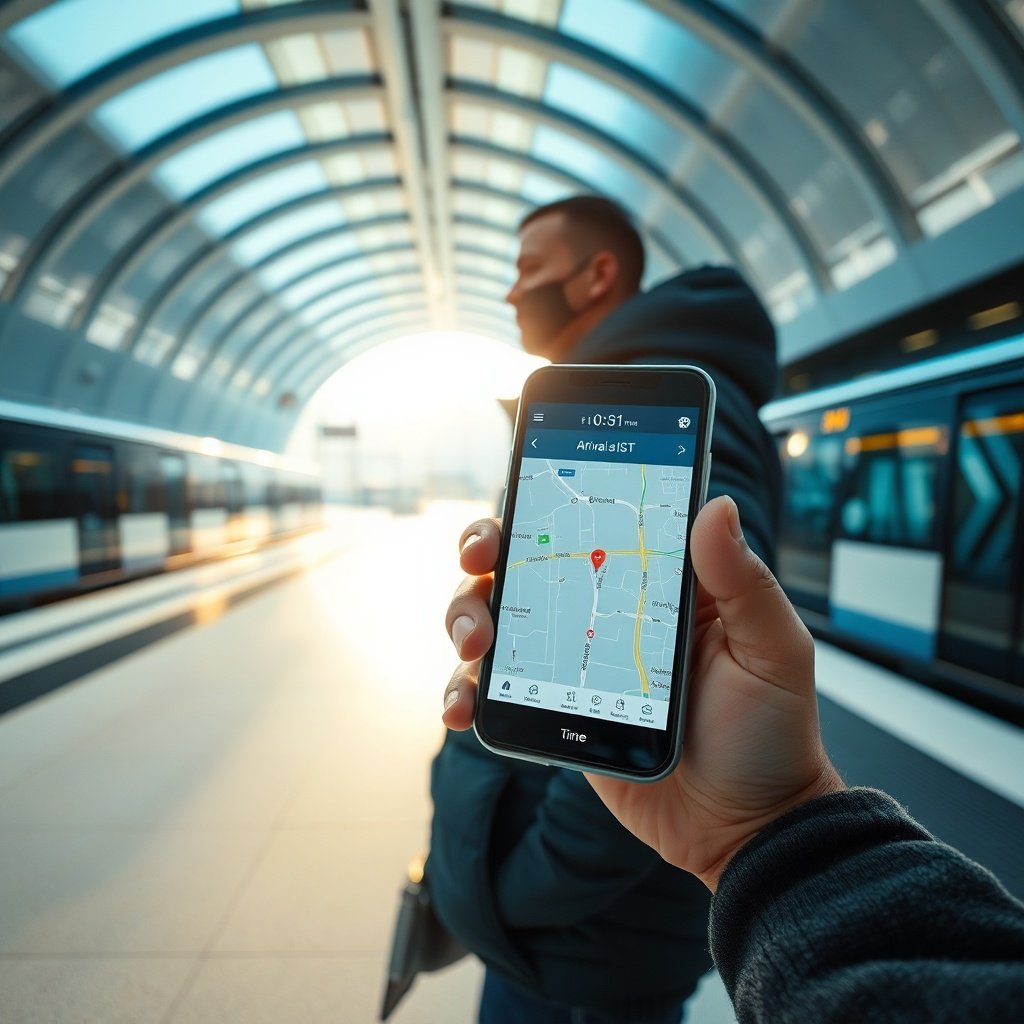
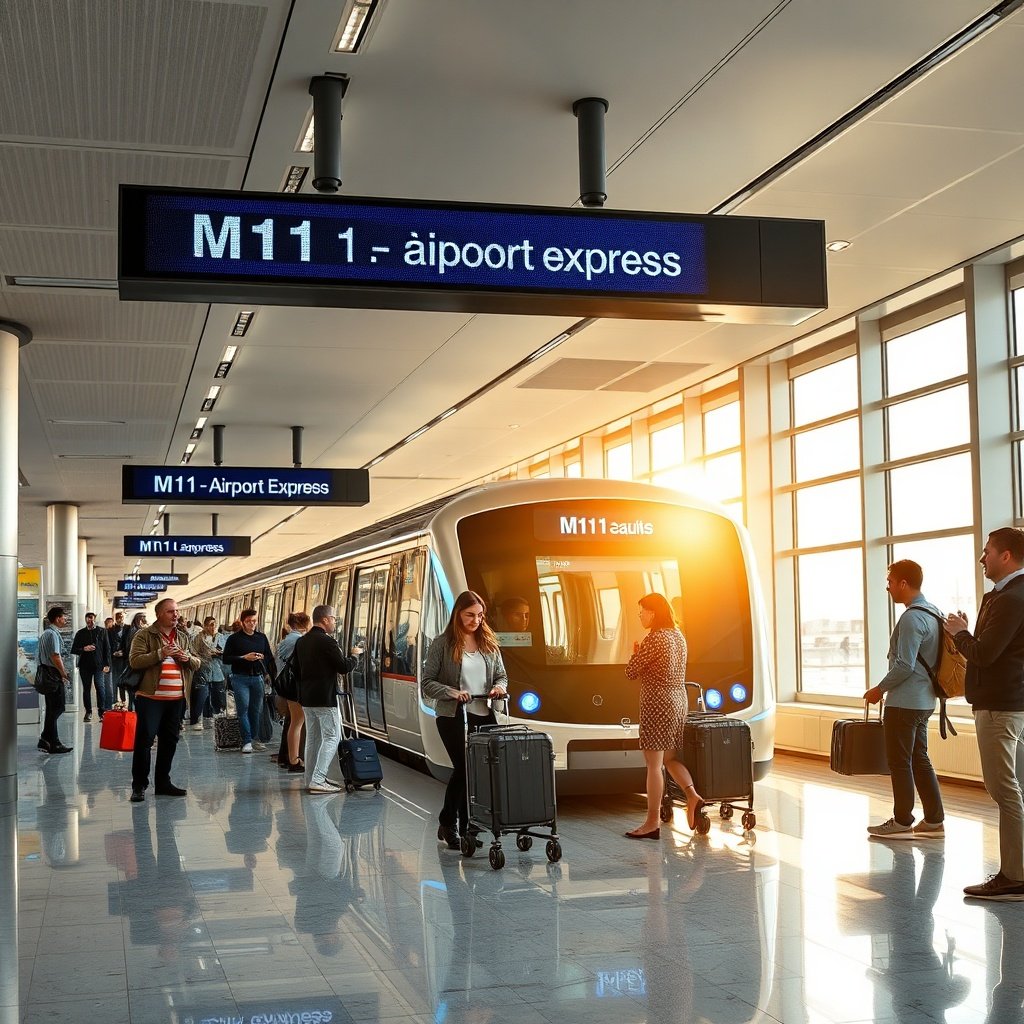
Traveler using a smartphone app to check real-time updates for istanbul airport arrival time while waiting at the M11 metro station.

Visualizing the use of technology and public transport to manage travel duration to the airport.

The time to reach Istanbul Airport (IST) from central Istanbul typically falls between 30 minutes and 1.5 hours, with the most common range being 45–60 minutes by private car or taxi in moderate traffic.

It’s important to clarify that “arrival time” can mean two things: the time to get to the airport, and the time after landing to exit the terminal. This guide covers both, but the primary focus is the journey to the airport.

No single number is accurate for everyone. Your istanbul airport arrival time depends on your origin point, chosen transport, and the current traffic situation. For a traveler staying in Taksim Square, the most common estimate is 45–50 minutes by taxi in normal traffic; by Havaist bus, 60–75 minutes; by metro with transfers, 70–90 minutes. These are general estimates and can change significantly based on real-time conditions.

Quick Answer: The journey from central Istanbul (Taksim) to IST typically takes 45–60 minutes by taxi, 60–90 minutes by Havaist bus, and 70–90 minutes by metro with transfers, depending on traffic.

What “Arrival Time” Actually Means in This Context

There are two distinct interpretations of “arrival time” that travelers search for. The first (a) is the time it takes to arrive at the airport from your starting point. The second (b) is the time from landing to actually exiting the airport, which includes immigration, baggage claim, and customs.

Most travelers search for “airport arrival time” to mean the journey time. However, the post-landing process is equally important for those with connecting flights or tight schedules. The official airport website and transport operators provide real-time estimates, which should always be checked before travel.

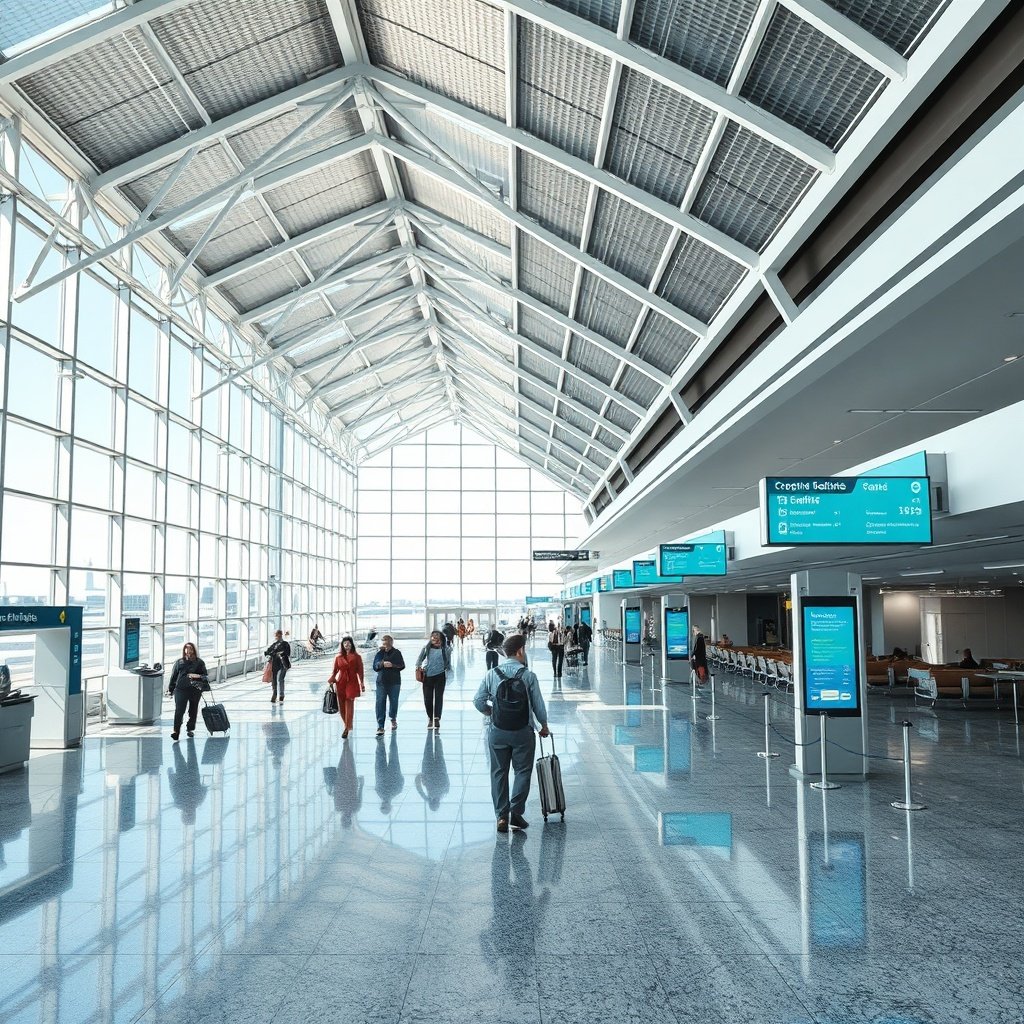
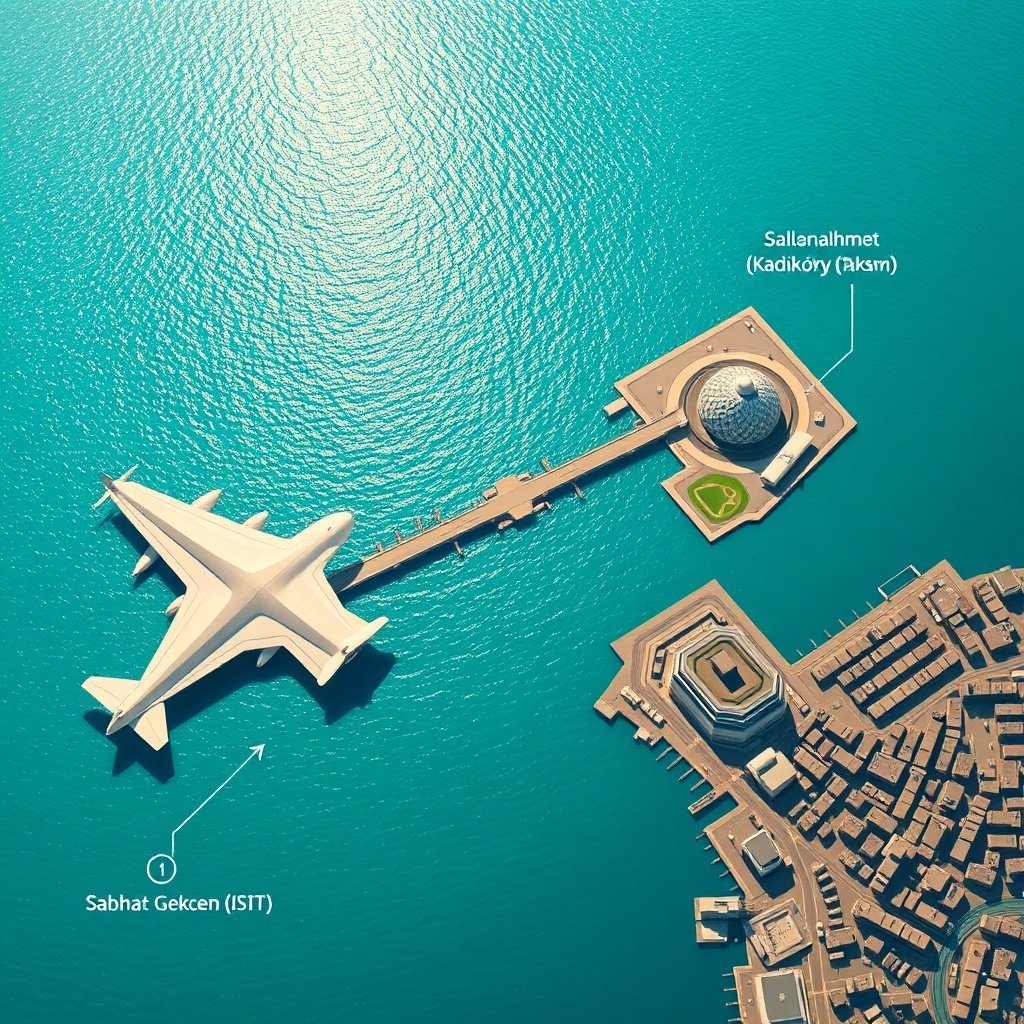
Istanbul Airport arrival time guide showing transfer options and traffic conditions affecting travel duration to the terminal.

Illustrating the variables of transport mode and time of day that influence how long it takes to reach Istanbul Airport.

The Shortest and Longest Realistic Scenarios

The shortest journeys are from nearby areas like Arnavutköy or Göktürk, where a taxi can reach the airport in 15–20 minutes. These neighborhoods are situated close to the airport on the European side.

The longest journeys are typically from the Asian side, such as Kadıköy. Travel time from there can exceed 1.5 hours due to the need to cross the Bosphorus bridge or take a ferry and bus combination.

Regardless of your starting point, always add at least 1 hour for airport security and check-in for international flights, and 2 hours is recommended for a stress-free experience.

Factors That Influence Your Istanbul Airport Arrival Time

Several key factors determine how long your trip to IST will actually take. Understanding these will help you make a more accurate plan.

Traffic Conditions and Peak Hours

Istanbul’s traffic is notorious, and the airport is located on the European side, northwest of the city center. The most significant variable is the time of day. Peak hours, specifically the morning rush (07:00–09:00) and the evening rush (17:00–20:00) on weekdays, can add 30–50% to your travel time. Weekend traffic is generally lighter, except on Sunday evenings when return flights are common.

Distance and Starting Location

Your origin point is the second biggest factor. Taksim, Sultanahmet, Levent, Kadıköy, and Sabiha Gökçen Airport (SAW) all have different distances and routes to IST. Proximity to the O-7 highway and the airport’s direct access roads significantly reduces travel time. The airport is approximately 40 km from Taksim Square.

Transport Mode Selection

The transport option you choose dictates your flexibility and exposure to traffic.

  • Taxi/private car: The most direct option but entirely subject to traffic conditions.
  • Havaist buses: These serve multiple routes from major hubs but are stuck in the same highway traffic as cars.
  • Metro M11: This is immune to traffic but requires a transfer from most central areas (e.g., from Taksim via M2 to Gayrettepe, then M11).
  • Airport shuttles from hotels: Often shared, with multiple stops, which adds significant time to the journey.

Weather and Road Conditions

Heavy rain or snow can slow traffic and cause delays on the roads. Winter months may see occasional slowdowns on the O-7 highway, which is the main artery to the airport. While the metro is unaffected by weather, road-based transport can be significantly delayed.

Comparing Transport Options: Taxi, Havaist Bus, Metro, and Private Transfer

Choosing the right mode of transport is crucial for managing your istanbul airport arrival time. Here’s a breakdown of the main options.

Taxi and Ride-Hailing Services

Taxis and ride-hailing apps offer the most convenient door-to-door service. Their main advantages are no transfers and 24/7 availability. The primary disadvantage is that the cost is high, and the time depends entirely on traffic. The estimated time from Taksim is 45–60 minutes.

Havaist Airport Buses

Havaist buses are a popular middle-ground option. They are affordable, have frequent departures, and offer large luggage space. However, they may stop at multiple points and are subject to highway traffic. The estimated time from Taksim is 60–90 minutes.

Metro M11 (Gayrettepe–Istanbul Airport)

The M11 metro line is the most reliable option in terms of time. It’s immune to traffic jams and follows a fixed schedule. The main disadvantage is that it requires a transfer from most central locations, and it does not operate 24/7 (it runs from early morning to midnight, so you should verify current Timetable, Fares on the official site). The estimated time from Gayrettepe station is 30–40 minutes, plus transfer time from Taksim.

Quick Answer: The M11 metro is the fastest and most predictable option during peak traffic hours, as it is completely unaffected by road congestion.

Private Transfer or Hotel Shuttle

Pre-booked private transfers offer comfort and moderate cost. Shared shuttles, however, add pick-up and drop-off time for other passengers, which can add 15–20 minutes to your journey. Private transfers are more expensive but offer a direct, comfortable ride.

Comparison Table: Transport Modes at a Glance

Transport ModeEstimated Time (Taksim → IST)Cost (Approx.)Traffic DependenceTransfer RequiredBest For
Taxi / Uber45–60 minHighHighNoCouples, business travelers
Havaist Bus60–90 minModerateHighNoBudget travelers with luggage
Metro M1135–50 min total (including transfer)LowNoneYes (from Taksim)Solo travelers, off-peak
Private Transfer50–70 minHighHighNoGroups, families

Step-by-Step: What to Expect When Arriving at Istanbul Airport (Post-Landing Process)

This section addresses the other meaning of “arrival time” – the time from touchdown to exiting the terminal. Understanding the total time to exit Istanbul Airport can help you plan onward connections.

The Typical Arrival Process Timeline

  1. Deplaning – 5–10 minutes for domestic, 10–15 minutes for international, depending on gate distance and aircraft type.
  2. Immigration / Passport Control – 10–30 minutes for international arrivals, longer during peak times. This is the passport control queue duration IST and is a major variable.
  3. Baggage Claim – 10–25 minutes, depending on flight origin and baggage volume. This is your baggage claim waiting time Istanbul.
  4. Customs – 5–10 minutes if you have nothing to declare.
  5. Exit to Arrivals Hall – 5 minutes.

The total time is approximately 30–60 minutes for international arrivals and 20–30 minutes for domestic flights.

Tips to Speed Up Your Exit

  • Use the e-passport gates if you are eligible, as this can significantly reduce your Istanbul Airport immigration processing time.
  • Travel with carry-on only to skip the baggage claim entirely.
  • If you have a connecting flight, allow at least 2 hours for the transfer process to navigate the IST airport terminal layout arrival and security checks.

Quick Answer: From touchdown to exiting the arrivals hall typically takes 30–60 minutes for international flights, with passport control and baggage claim being the main time variables.

Planning Your Arrival: Best Times and Tips for a Smooth Journey

Planning ahead is the key to a stress-free trip. Here’s how to choose the best times and build a safety buffer into your schedule.

Best Departure Times from Central Istanbul

To minimize your istanbul airport arrival time, avoid the weekday rush hours of 07:00–09:00 and 17:00–20:00. The most predictable times are early morning (before 06:00) and late night (after 21:00). Always check real-time traffic apps like Google Maps or Yandex on the day of your travel.

How to Build in a Safety Buffer

Always add 30–45 minutes to your estimated travel time. For international flights, plan to arrive at the airport at least 3 hours before departure (2 hours for domestic). This buffer accounts for potential peak hour delays Istanbul Airport and the time needed for check-in and security.

Using Real-Time Tools for Accurate Arrival Time

  • Google Maps and Yandex Maps provide live traffic-based ETAs for your specific route.
  • Havaist and metro apps show live departure schedules and any delays.
  • Istanbul Airport’s official app offers real-time flight and transport information.

FAQ: Istanbul Airport Arrival Time

How long does it take to get to Istanbul Airport from Taksim Square?

Typically 45–60 minutes by taxi, 60–90 minutes by Havaist bus, and 35–50 minutes by metro (including transfers), depending on traffic.

Is the Istanbul Airport metro faster than a taxi?

Yes, the M11 metro is faster during peak hours because it is not affected by traffic, but it requires a transfer from most central locations.

How early should I arrive at Istanbul Airport for an international flight?

At least 3 hours before departure, as recommended by most airlines. This includes check-in, security, and passport control time.

What is the cheapest way to get to Istanbul Airport?

The metro (M11) is the cheapest, followed by Havaist buses. Taxis and private transfers are the most expensive.

Does the Istanbul Airport metro run 24 hours?

No, the M11 metro operates from early morning to midnight. Outside those hours, taxis or Havaist buses are available.

Conclusion

Your istanbul airport arrival time is not a fixed number – it depends on your starting point, transport mode, and the time of day. The key to a smooth journey is planning ahead, using real-time tools, and adding a 30–45 minute buffer to your estimated travel time. Before your trip, check the latest Ultimate Guide and traffic conditions. If possible, book your transport in advance and always verify current times with official sources to ensure you arrive at IST with plenty of time to spare.

12 September 2026 0 comment
0 FacebookTwitterPinterestEmail
Istanbul Airport

IST Vs Sabiha Gokcen: Which Fits Your Trip?

by irport-istanbul-Admin 12 September 2026
written by irport-istanbul-Admin

Istanbul is a city split between two continents and, for travelers, split between two major airports. Choosing between Istanbul Airport (IST) and Sabiha Gökçen (SAW) is one of the most important logistical decisions for anyone flying to or from Turkey’s largest city. The choice isn’t just about which airport is “better” — it’s about which one fits your specific flight, budget, and location. This guide provides a Ultimate Guide to help you choose the right airport for your trip.

Note: All data points in this article are accurate as of the time of writing. Flight schedules, routes, and How to Get from Istanbul Airport to City Center: Best Transport Options 2026 online can change; always verify details against current official sources before your trip.

Key Takeaways

  • IST is the primary international hub for Turkish Airlines and its global partners, while SAW is the hub for Pegasus Airlines and AnadoluJet.
  • Location is the deciding factor: IST is on the European side (Arnavutköy), while SAW is on the Asian side (Pendik) — your hotel location should drive your choice.
  • Transfer times differ significantly: IST has an extensive metro connection (M11), while SAW relies on the Marmaray and Metro M4 for rail access.
  • Flight type matters: IST serves more long-haul international routes, while SAW focuses on domestic and short-haul European flights.
  • Transit travelers should prioritize IST for seamless connections, while budget travelers often find better fares at SAW.

The Complete Answer: Which Istanbul Airport Should You Choose?

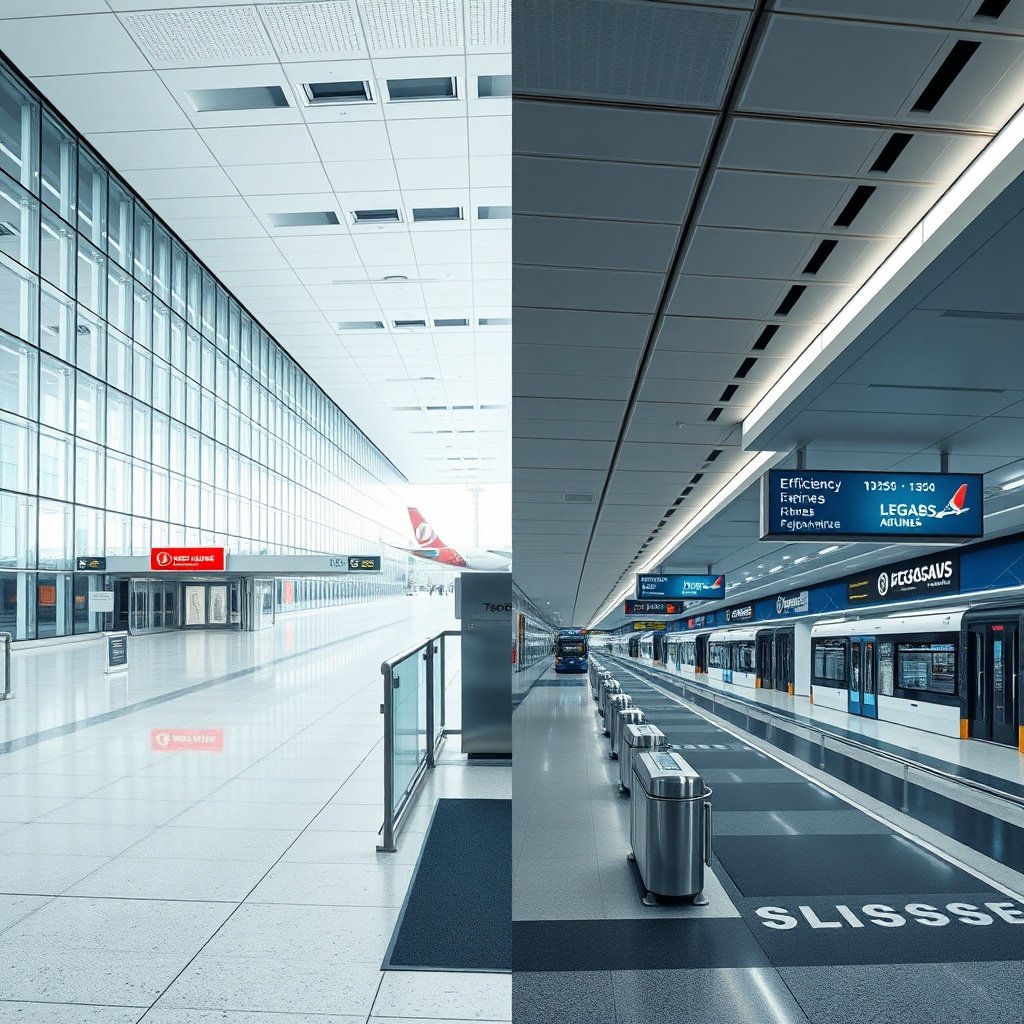
Visual guide to IST vs Sabiha Gokcen showing how European and Asian side locations impact travel routing across Istanbul

Illustration mapping how airport location dictates easy city access based on traveler destination.

Choose IST if you are flying long-haul, transiting, on Turkish Airlines, or staying in the European side of the city (Sultanahmet, Taksim, Beyoğlu). Choose SAW if you are flying with Pegasus or AnadoluJet, on a budget, or staying on the Asian side (Kadıköy, Moda, Üsküdar).

Quick Answer: The best airport for you depends entirely on your airline and your final destination in Istanbul. IST is the better choice for the European side and long-haul flights, while SAW is better for the Asian side and budget carriers.

The 30-Second Decision Framework

  • If your flight is on Turkish Airlines → IST
  • If your flight is on Pegasus or AnadoluJet → SAW
  • If your hotel is in Taksim/Sultanahmet → IST
  • If your hotel is in Kadıköy or the Asian side → SAW
  • If you have a layover under 4 hours → IST (better connectivity)
  • If you are on a strict budget → SAW (often cheaper fares)

Terminal comparison for IST vs Sabiha Gokcen highlighting airline hubs and ground transport options for city transfers

Side-by-side terminal view contrasting international hub facilities with budget-focused transit options.

Quick Comparison Table

FeatureIST (Istanbul Airport)SAW (Sabiha Gökçen)
LocationEuropean Side (Arnavutköy)Asian Side (Pendik)
Distance to Taksim Square~40 km~48 km
Primary AirlinesTurkish Airlines, Star AlliancePegasus, AnadoluJet
Rail ConnectionM11 Metro LineM4 Metro + Marmaray
International DestinationsExtensive (long-haul)Limited (short-haul Europe)
Passenger VolumeHigher (major hub)Lower (regional hub)

Location & Accessibility: The Real Travel Time Difference

The primary difference between IST and SAW is their location on opposite sides of the Bosphorus. This natural barrier affects every transfer you make in the city, and choosing the wrong airport can add significant time to your journey.

IST Accessibility: Istanbul Airport is located on the European side in Arnavutköy. The M11 metro line connects IST to Gayrettepe in the city center, providing a fast and reliable rail option. The Havaist shuttle buses offer another reliable connection to key points like Taksim and Sultanahmet. Taxis are always available but can be subject to traffic congestion, especially during peak hours.

SAW Accessibility: Sabiha Gökçen is on the Asian side in Pendik. The M4 metro line connects to Kadıköy, a major transportation hub on the Asian side. From Kadıköy, you can transfer to ferries, the Marmaray (which crosses the Bosphorus), or continue by bus. The Havabus service provides direct connections to Taksim and other European-side destinations.

Quick Answer: The M11 metro at IST provides a direct rail connection to the European side, while SAW’s M4 metro connects to Kadıköy on the Asian side. For travelers heading to Taksim, IST’s metro is a more direct and generally The Fastest Istanbul Airport Transfer to Sabiha Gokcen (SAW) online.

The “Wrong Side” Trap

The Bosphorus is a significant barrier. If you stay in Sultanahmet (European side) but book a flight from SAW (Asian side), you must factor in a journey that includes crossing the Bosphorus via bridge, ferry, or the Marmaray tunnel. This can easily add 1-2 hours to your total travel time compared to using the airport on your side of the city. Always map your hotel to the airport before booking your flight.

Facilities & Passenger Experience: What Each Airport Offers

The two airports offer very different passenger experiences, reflecting their distinct roles in Istanbul’s aviation system.

IST — The Mega-Hub Experience: Istanbul Airport is a massive, modern facility designed for high passenger volume. Its grand architecture, extensive duty-free area, and premium lounges create a spacious, impressive feel. The terminal is designed to handle the scale of a major global hub, which means longer walking distances between gates. If you have a long layover, IST offers a wide variety of food options, from local Turkish cuisine to international chains.

SAW — The Efficient Regional Hub: Sabiha Gökçen has a more compact layout, which translates to shorter walking distances and a more functional, less overwhelming experience. Recent terminal expansions have improved the facilities, but it remains more of a point-to-point airport than a global hub. The food options and lounges are present but more limited than at IST.

The “Connections” Factor

IST is specifically designed for Airport-Specific Layover Guides products, especially with Star Alliance partners. Its layout and facilities prioritize smooth connections, making it the clear choice for layovers. SAW is primarily point-to-point, meaning most passengers either start or end their journey there. This makes it less convenient for connecting flights.

Comparison Table: Facilities at a Glance

FacilityISTSAW
LoungesMultiple (priority, business, pay-per-use)Fewer options
Duty-Free AreaExtensiveModerate
Walking DistanceLonger (large terminal)Shorter (compact terminal)
Food OptionsWide variety (local & international)More limited

Flight Networks & Airlines: Matching the Airport to Your Itinerary

Your airline is often the single most important factor in determining which airport you will use. The two airports are dominated by different carriers.

IST — The Global Gateway: Istanbul Airport is the primary hub for Turkish Airlines, one of the world’s largest carriers. This means IST handles extensive long-haul routes to the Americas, Asia, Africa, and Europe. As a major Star Alliance hub, it also serves as a connection point for partner airlines, offering a vast network of global destinations.

SAW — The Low-Cost Alternative: Sabiha Gökçen is the base for Pegasus Airlines and AnadoluJet. These carriers focus on domestic routes within Turkey and short-haul European destinations. This focus on point-to-point travel makes SAW a key airport for budget travelers and those visiting regional Turkish cities.

The “Route Mismatch” Scenario

Booking a flight on a carrier that operates from the “wrong” airport for your location can create a logistical headache. For example, if you are staying in Taksim and book a Pegasus flight from SAW, you’ll need to factor in a longer and more expensive transfer. Always check your airline and airport code before finalizing your hotel plans.

Step-by-Step: How to Choose Your Airport Based on Your Flight

  1. Check your booking confirmation for the airline name.
  2. Search the airport code (IST or SAW) on your ticket.
  3. If your airline is Turkish Airlines → plan your route around IST.
  4. If your airline is Pegasus or AnadoluJet → plan your route around SAW.
  5. If you are flying a different carrier, check which airport they use in Istanbul.
  6. Once you know the airport, choose your hotel and transfer accordingly.

Cost, Time & Practical Considerations: The Real-World Decision

The final decision often comes down to a practical analysis of total journey time and cost, not just the price of the flight ticket.

The “Total Journey” Cost

Comparing airfare is only part of the equation. You must also consider the cost of airport transfers, hotel prices near each airport, and the time lost in transit. A cheaper flight from SAW might be negated by a more expensive and time-consuming transfer to a European-side hotel. Conversely, a pricier flight from IST could be offset by lower transfer costs and time savings.

Time vs. Money Trade-Off

SAW often has cheaper fares, particularly on low-cost carriers. However, if your final destination is in the European side, the transfer can be longer and more expensive. IST generally has higher airfares but offers better connectivity to the European city center, especially with the M11 metro. The best choice depends on your budget and time constraints.

The “Layover” Scenario

For transit passengers, IST is almost always the better choice. Its hub status provides smoother connections, more lounges, and a wider range of facilities for layovers. SAW is rarely used for international layovers, as it lacks the same level of connectivity and facilities for this purpose.

Night Flights & Early Departures

For red-eye flights or early morning departures, consider hotel availability and transport options at odd hours. Both airports have 24-hour operations, but the public transport options (metro, Marmaray) have set operating hours. If you have a very early flight, a hotel near the airport might be more practical than relying on a pre-dawn transfer. Check the operating hours of the metro and bus services to plan accordingly.

How to Choose: A Practical Guide for Different Traveler Types

Your travel profile can help simplify the decision. Here’s a quick guide to which airport is likely a better fit based on your traveler type.

For First-Time Visitors to Istanbul: Prioritize hotel location and tourist attractions. Most first-time visitors stay in the Old Medina or around Taksim, which are on the European side. This makes IST the more logical and convenient choice.

For Business Travelers: Consider proximity to business districts. Major business areas like Maslak and Levent are on the European side, making IST the closer airport. Always verify which airport is closer to your specific meeting point.

For Budget Travelers: Weigh cheaper flight fares against potential higher transfer costs. A cheaper SAW fare might not be worth it if you need to budget for a long, expensive transfer to the European side. The savings may not always be worth the extra time and money.

For Transit Passengers: Choose IST for easier connections and more comfortable lounges. Its design as a major hub makes it the superior choice for layovers.

For Families with Young Children: Consider walking distances and terminal size. SAW’s compact layout may be easier for families, as it involves less walking than the vast terminal at IST.

Step-by-Step: The 5-Step Decision Process

  1. Identify your airline and flight number.
  2. Determine which airport your flight departs from or arrives at.
  3. Map your final destination in Istanbul (hotel, meeting point, etc.).
  4. Calculate the transfer time and cost from each airport to your destination.
  5. Compare total journey time and cost — then make your choice.

FAQ

Which airport is closer to the city center? IST is generally closer to the European side (Taksim, Sultanahmet), while SAW is closer to the Asian side (Kadıköy). The “closer” answer depends entirely on where you are going.

Is Sabiha Gökçen an international airport? Yes, SAW is an international airport, but it primarily serves short-haul routes to Europe and the Middle East, while IST handles most long-haul international flights.

Which airport is better for a layover? IST is generally the better choice for layovers because it is a major hub with better connectivity, more lounges, and more facilities for transit passengers.

How do I get from IST to SAW? The most common options are the Havaist shuttle, a taxi, or a combination of metro and Marmaray. The journey takes approximately 1-2 hours depending on traffic and mode of transport. Always check current schedules and traffic conditions.

Can I use the same airline at both airports? No. Turkish Airlines primarily operates from IST, while Pegasus and AnadoluJet operate from SAW. Check your specific airline before booking.

Conclusion

The core difference between IST and SAW is simple: IST is the mega-hub for global connections and the European side, while SAW is the efficient regional airport for budget carriers and the Asian side. Your airline and your hotel location are the two most important factors in making your choice.

Do not choose an airport in isolation. Plan your flight, hotel, and transfer as one integrated journey to get the best balance of cost, convenience, and time. Book your accommodations and transfers based on your chosen airport to avoid unnecessary travel time and costs.


12 September 2026 0 comment
0 FacebookTwitterPinterestEmail
Istanbul Airport

Istanbul Airport 2026 New Terminal: What’s Changing?

by irport-istanbul-Admin 11 September 2026
written by irport-istanbul-Admin

Istanbul Airport’s 2026 new terminal represents a significant milestone in the airport’s long-term expansion plan, designed to boost annual passenger capacity and solidify its position as a global aviation hub. The project is not a single grand opening but a phased rollout that will introduce additional terminal buildings, concourses, and gate capacity over time. For travelers, this means new check-in areas, more boarding gates, and improved transfer facilities, though the exact operational details are best understood via Istanbul Airport (IST) Complete Guide 2026: Terminals and Transfers products.

Key Takeaways

  • The Istanbul Airport 2026 new terminal is a major capacity upgrade designed to handle significantly more passengers and wide-body aircraft.
  • The project focuses on increasing annual passenger capacity, adding new gates, and enhancing the passenger experience with modern amenities.
  • Construction and opening timelines have been subject to phased rollouts, with 2026 representing a critical operational phase for the airport’s expansion.
  • The new terminal is expected to strengthen Istanbul’s hub status, connecting Europe, Asia, and Africa more efficiently.
  • Travelers should check official airport sources for up-to-date information on terminal assignments, transfer procedures, and facility availability.

The Complete Answer: What Is the Istanbul Airport 2026 New Terminal?

Aerial view of the Istanbul Airport new terminal expansion showcasing modern aviation architecture designed to increase annual passenger capacity and global hub connectivity

Wide exterior perspective highlighting the scale, modern design, and phased development of the upcoming terminal complex.

Defining the 2026 Expansion Project

The Istanbul Airport 2026 new terminal refers to the ongoing expansion of Istanbul Airport (IST), which includes additional terminal buildings, concourses, and runway infrastructure. The project’s scale is immense, with the ultimate goal of increasing the airport’s annual passenger throughput well beyond its current capacity. This expansion is a key component of Turkey’s national aviation strategy to make Istanbul a premier global connecting point between Europe, Asia, and Africa.

It is important to understand that the 2026 phase is one of several planned milestones in a phased approach, not a sudden single opening. The airport was designed with a master plan that allows for incremental expansion as demand grows. This means that the “new terminal” will likely be brought into operation in stages, with certain sections or concourses opening before others.

Definition: A phased expansion is a construction strategy where a large project is broken down into smaller, sequential phases. This allows parts of the facility to become operational and generate revenue while other parts are still under construction, helping to manage costs and operational risks.

Modern interior view of the Istanbul Airport new terminal expansion featuring streamlined check-in zones, enhanced transfer facilities, and upgraded passenger amenities

Interior perspective showcasing improved boarding gates, efficient transfer corridors, and contemporary terminal design for future travelers.

Official Timeline and Opening Status

The official timeline for the Istanbul Airport 2026 new terminal has been subject to adjustments, as is common with mega-infrastructure projects. While specific opening dates for individual sections or gates are announced periodically, it is crucial to distinguish between a soft opening (when the facility starts limited operations) and full operational status. The airport authority typically announces these milestones through official channels.

Travelers should be aware that schedule adjustments can occur due to various factors, including construction progress and operational readiness. As of 2026, the expansion is in a critical operational phase, with some new facilities likely already in use, while others are still being completed. The most accurate and up-to-date information can only come from official airport announcements.

What This Means for Passengers in 2026

For passengers traveling through Istanbul Airport in 2026, the expansion will bring several practical changes. You can expect to see new check-in areas, additional security lines, and more boarding gates. These improvements are designed to reduce congestion, especially during peak travel times, and to enhance the overall passenger experience.

One of the most significant changes will be the reassignment of airlines and transfer connections. As new terminal sections open, airlines may move their operations to the new facilities. This could affect how connecting passengers navigate the airport. It is therefore essential to verify your terminal and gate information before you travel, as assignments can change.

Quick Answer: The Istanbul Airport 2026 new terminal is a phased expansion project that will increase passenger capacity and add new gates and facilities, but travelers must verify their terminal and gate assignments with their airline or the official airport app before their journey.

Capacity and Operational Impact: How the New Terminal Changes Istanbul’s Aviation Landscape

Passenger Throughput and Flight Handling Growth

The primary driver behind the Istanbul Airport 2026 new terminal is the need for increased passenger throughput. The expansion is engineered to enable more simultaneous aircraft movements, including operations for wide-body aircraft. This will allow the airport to handle a higher volume of flights, which is essential for a major international hub.

The new terminal and associated apron infrastructure will provide more aircraft parking stands and faster turnaround times. This operational efficiency is critical for airlines, as it allows them to schedule more flights and reduce ground time. While specific capacity figures are released by the airport authority, the overall goal is a substantial increase in the number of passengers the airport can serve annually.

Impact on Airlines and Route Networks

The expansion will have a profound impact on the airlines operating at Istanbul Airport, particularly the hub carrier, Turkish Airlines. The new terminal is designed to support the airline’s growth plans, including new long-haul routes and increased frequencies on existing ones. With more gates and enhanced passenger processing facilities, airlines can offer a smoother and more efficient experience for their customers.

This capacity increase also strengthens Istanbul’s competitive position as a global hub. By offering more connections and better facilities, the airport can compete more effectively with other major hubs in the region. The expansion is not just about size; it’s about creating a more attractive and efficient transfer point for passengers traveling between continents.

Airport City Integration and Multi-Modal Connectivity

The Istanbul Airport 2026 new terminal is a key component of the larger “Airport City” development. This master-planned area includes hotels, retail centers, and business facilities, creating a destination in its own right. The new terminal is designed to integrate seamlessly with this development, providing easy access for travelers and business visitors.

Ground transportation connectivity is a crucial part of this integration. The airport’s transport links, including Metro Extensions, bus, and highway access, are being expanded and improved to handle the increased passenger volume. This multi-modal approach ensures that passengers can reach the airport and their final destinations efficiently. The new terminal also plays a role in facilitating seamless transfers between domestic and international flights, making Istanbul Airport a more convenient and user-friendly hub.

Design and Architecture: The Unique Features of the 2026 Terminal

Architectural Vision and Sustainability Goals

The architectural vision for the Istanbul Airport 2026 new terminal builds on the airport’s existing design principles, which emphasize natural light, open spaces, and efficient passenger flow. The design aims to create a calm and intuitive environment that reduces stress for travelers. The use of a single, unified roof structure is a hallmark of the airport’s aesthetic, creating a sense of grandeur and scale.

Sustainability is a core consideration in the expansion. The airport is designed to incorporate smart building technologies for energy efficiency and climate control. This includes advanced systems for heating, cooling, and lighting that can adapt to real-time conditions. The goal is to minimize the environmental footprint of the airport while maintaining a high level of passenger comfort.

Definition: Smart building technology refers to automated systems that control a building’s operations, such as heating, ventilation, air conditioning (HVAC), lighting, and security. These systems use sensors and data analytics to optimize performance, reduce energy consumption, and improve the occupant experience.

Passenger Experience Enhancements

The new terminal will introduce a range of planned amenities designed to enhance the passenger experience. This includes expanded lounges, larger duty-free zones, and a wider selection of food and beverage outlets. The goal is to make the airport more than just a transit point, offering a pleasant environment for travelers to relax, shop, and dine.

The integration of biometric and automated processes is another key feature. These technologies are being implemented to speed up security and boarding procedures. Passengers can expect more self-service options, such as automated bag drop and biometric boarding gates, which reduce waiting times and streamline the journey through the airport.

Comparison with Existing Terminal Facilities

To understand the scale of the change, it helps to compare the existing terminal with the planned expansion. The table below outlines the key areas of difference, based on the airport’s master plan.

FeatureExisting Terminal (as of 2026)New 2026 Terminal Expansion
Annual Passenger CapacityOperational at current design capacityDesigned to significantly increase total capacity
Number of GatesExisting gates are fully operationalNew gates and concourses to be added in phases
Check-in CountersExisting check-in areas in useNew check-in facilities with more self-service options
Security LanesExisting security infrastructureAdditional, more automated security lanes
Key AmenitiesExisting lounges, shops, and restaurantsExpanded lounges, duty-free, and new F&B concepts
Opening StatusFully operationalPhased opening (2026)

Navigating the New Terminal: A Step-by-Step Guide for Travelers

Step-by-Step Guide for Departing Passengers

  1. Arrive at the correct terminal — check your airline’s assignment on your ticket or the official airport website before leaving for the airport.
  2. Use the self-service kiosks or mobile check-in to obtain your boarding pass, which will save you time at the counter.
  3. Proceed to the dedicated security screening area for the new terminal, following the clear signage throughout the airport.
  4. Follow signage to your correct gate; the gates are numbered sequentially, which makes navigation easier in the larger facility.
  5. Allow extra time for walking distances, as the new terminal is significantly larger than the existing one.

Step-by-Step Guide for Connecting Passengers

  1. Follow the “Transfer” signs immediately after landing to stay within the secure area.
  2. Pass through the dedicated transfer security checkpoint, which is designed to expedite the process for connecting passengers as detailed in The Ultimate Guide to Airport Transfers in Morocco online.
  3. Locate your next gate on the digital displays; confirm whether it is located in the new terminal or the existing one.
  4. Use the airport’s internal transport, such as shuttle services, if your next gate is located in a different concourse.
  5. Allocate at least 2 hours for connections between terminals to account for walking distances and potential queues.

Tips for Avoiding Common Pitfalls

  • Verify your terminal assignment 24 hours before departure, as operational changes can occur.
  • Download the official Istanbul Airport app for real-time gate updates and interactive maps.
  • Be aware that some lounges may be temporarily closed or relocated during the transition period as new facilities are brought online.

Investment, Funding, and Economic Implications

Project Cost and Financing Model

The Istanbul Airport expansion is one of the largest aviation infrastructure investments in the world. The project has been financed through a complex public-private partnership model, which leverages private capital for a public infrastructure project. This structure helps to distribute the financial risk and brings in international expertise in airport management and construction.

The total investment figure is substantial, reflecting the scale of the project. The financing involves a combination of equity from the project partners and debt from international lenders. This model is designed to ensure the long-term sustainability of the project while delivering a world-class facility.

Job Creation and Local Economic Impact

The construction and operation of the Istanbul Airport 2026 new terminal have a significant impact on the local economy. The project has created thousands of direct jobs in construction, engineering, and project management. Once operational, the new terminal will require a large workforce for various roles, including retail, hospitality, security, and ground handling.

This investment also provides a boost to the wider Istanbul region through tourism and trade. The increased passenger capacity will attract more international visitors and business travelers, benefiting hotels, restaurants, and other local businesses. The multiplier effect extends to surrounding real estate, as the airport’s development drives demand for commercial and residential property in the area.

Strategic Importance for Turkey’s Aviation Sector

The new terminal is a key element of Turkey’s national aviation strategy, which aims to make Istanbul a global aviation hub. This is a long-term vision that positions the airport as a major connecting point for passengers traveling between Europe, Asia, and Africa. The expansion is essential to supporting this goal by providing the necessary infrastructure for continued growth.

When compared to other mega-airport projects globally, referencing The Complete Guide to Airports in Morocco: Ranking by Busiest online helps contextualize Istanbul’s expansion within a broader trend of investment in aviation hubs. The focus is on creating capacity, improving efficiency, and enhancing the passenger experience to remain competitive in the global market. The success of this project is crucial for Turkey’s ambition to become a leader in global aviation.

Frequently Asked Questions (FAQ)

When will the new terminal at Istanbul Airport open?

Similar to insights found in Dubai Airport Layover: An Ultimate Guide 2026 products, the opening of the new terminal is a phased process. As of 2026, the airport is in a critical operational phase of its expansion, with new facilities being brought online incrementally. For the most accurate and up-to-date opening dates for specific sections, you should check the official Istanbul Airport website and announcements.

Will all airlines move to the new terminal?

The allocation of airlines to the new terminal will be determined by the airport authority and the airlines themselves. It is likely that the hub carrier, Turkish Airlines, will be the primary tenant of the new facilities, but the exact plan for other airlines will be announced in due course. Always check your airline’s communication for terminal assignment.

How much will the new terminal increase Istanbul Airport’s capacity?

The new terminal is designed to significantly increase the airport’s annual passenger capacity. While the exact target figure is released by the airport authority in its official plans, the goal is to handle a much higher volume of passengers and flights than the current design capacity allows.

Are there any new facilities for passengers in the 2026 terminal?

Yes, the 2026 terminal expansion will introduce a range of new facilities, including expanded lounges, larger duty-free shopping zones, and a wider variety of food and beverage outlets. The terminal is also designed to incorporate more automated processes for security and boarding to speed up passenger flow.

How can I find out if my flight departs from the new terminal?

The best way to find out your terminal and gate assignment is to check your airline’s website or mobile app, use the official Istanbul Airport app, or consult the flight information display systems at the airport itself. It is always recommended to verify your details 24 hours before your flight.

Conclusion

The Istanbul Airport 2026 new terminal is a landmark expansion that represents a significant investment in the future of aviation. It is a continuous evolution, with further phases planned beyond 2026, all aimed at solidifying Istanbul’s position as a premier global hub. The project is not just about increasing capacity; it’s about creating a more efficient, sustainable, and passenger-friendly airport.

For travelers, the practical steps are clear: stay informed. The most important thing is to rely on official sources for the most accurate and current details regarding terminal assignments, transfer procedures, and facility availability. By doing so, you can ensure a smooth and enjoyable journey through one of the world’s most ambitious airport projects.


11 September 2026 0 comment
0 FacebookTwitterPinterestEmail
Istanbul Airport

Istanbul Airport Free WiFi: 1 Hour, Then What?

by irport-istanbul-Admin 11 September 2026
written by irport-istanbul-Admin

Landing at Istanbul Airport (IST) after a long flight, the first thing most travelers look for is a reliable internet connection. The airport provides Istanbul Airport free WiFi to all passengers, but the connection process and time limits often cause confusion. This guide explains exactly how to connect, what limits apply, and what to do when your session ends.

Quick Answer: Istanbul Airport offers free WiFi to all passengers in every terminal. Access requires a one-time verification via SMS or email, and the free session is time-limited, typically around 1 hour, after which you must reconnect.

Key Takeaways

  • Free WiFi is available throughout Istanbul Airport, but you must verify your identity via SMS or email before connecting.
  • The free session has a time limit, usually 1 hour per device, after which you can reconnect by repeating the login process.
  • Coverage extends to all public areas, including the transit zone, though speeds can slow during peak travel hours.
  • For long layovers or critical work, consider an eSIM, portable hotspot, or lounge WiFi as a backup.

The Complete Answer: How Istanbul Airport’s Free WiFi Works

A traveler successfully connects to Istanbul Airport free WiFi by verifying their mobile number at a modern boarding area, highlighting the easy one-time authentication process for passengers.

Shows a passenger completing the quick SMS verification step to access complimentary internet services at the airport.

What Is the Free WiFi Service Called?

The official network name is “IST-WiFi” (or a similar variant displayed when scanning for networks). It operates 24/7 across Istanbul Airport (IST) Complete Guide 2026: Terminals and Transfers and satellite terminal. The connection itself is open — no password is required — but you must authenticate through a web portal before gaining full internet access.

Passengers enjoy reliable Istanbul Airport free WiFi throughout the spacious main concourse, demonstrating how the complimentary network supports travelers during layovers and transit.

Depicts multiple travelers utilizing the complimentary wireless network across different zones of the airport, emphasizing widespread availability and speed consistency.

Who Can Use It?

All passengers can use the service, whether you are arriving, departing, or transiting. There is no membership or pre-registration required. You only need a valid mobile number or email address to receive a verification code. Visitors and meeters/greeters can typically access the network as well, though it is primarily designed for travelers.

What Are the Connection Limits?

The free session is limited, usually to 60 minutes per device. Most users are limited to one device per session, meaning you cannot connect your phone and laptop simultaneously under a single verification. After the session expires, you can reconnect, but you will need to request a new verification code and go through the login process again.

Step-by-Step: How to Connect to Istanbul Airport Free WiFi### Step 1: Enable WiFi on Your Device

Turn on WiFi on your phone, tablet, or laptop and select the network named “IST-WiFi” (or the exact name shown in your available networks list).

Step 2: Open the Browser and Access the Login Portal

A captive portal should automatically appear when you open your browser. If it does not, navigate to a non-secure site like neverssl.com to force the portal to load.

Step 3: Choose Your Verification Method

You will see options to verify your identity:

  • Option A: Mobile number — enter your phone number with the correct country code to receive an SMS code.
  • Option B: Email address — enter your email to receive a verification link or code.

Step 4: Enter the Verification Code

Type the code you received via SMS or email, accept the terms of service, and click “Connect.” Your session will begin immediately.

Step 5: Stay Connected and Manage Your Session

Once connected, you can browse freely. If a session timer is displayed, keep an eye on it. When your time is up, repeat the verification process to reconnect. For stays longer than a few hours, a personal hotspot or eSIM is a more reliable option.

WiFi Speed and Coverage: What to Expect at IST### Coverage Zones

WiFi coverage spans the entire airport, including departures, arrivals, and the transit area. The satellite terminal is also covered. If you have access to a lounge, note that Istanbul Airport Lounges Guide: Access and Reviews products is often separate from the public network and may offer unlimited, higher-speed access for lounge guests.

Speed and Reliability Factors

Speed can vary based on your location and the time of day. Peak hours, typically early morning and evening, may see slower speeds as more passengers connect. Distance from access points can also affect signal strength. For video streaming or large downloads, you may experience buffering during busy periods.

Comparison Table: Free WiFi vs. Paid Options at Istanbul Airport

FeatureFree WiFiPaid WiFi (if available)Lounge WiFi (for lounge guests)
CostFreePaid (per hour/day)Included with lounge access
Session DurationLimited (typically 1 hour)Longer or unlimitedUsually unlimited
SpeedStandardHigherHigh
Login ProcessSMS/email verificationMay be simplerProvided by lounge staff
Best ForQuick browsing, messagingHeavy downloads, video callsBusiness travelers, long layovers

Troubleshooting Common WiFi Connection Problems### Why Can’t I See the WiFi Network?

First, check that your device is not in airplane mode. If the network is not showing, try restarting your device. You may also be in a dead zone — areas near walls, underground sections, or far from access points can have weak signals.

The Login Portal Won’t Load

Disable any VPN or ad-blocker, as these can interfere with captive portals. Try a different browser or clear your cache. If the portal still won’t appear, type http://neverssl.com into your browser address bar to force the redirect.

I Didn’t Receive the SMS Code

Double-check that you entered your mobile number with the correct country code. Ensure your phone has network coverage to receive SMS. Wait about 60 seconds before requesting a new code. If the problem persists, switch to the email verification method or visit an airport information desk for assistance.

My Session Expired — Can I Reconnect?

Yes, you can usually reconnect after your session expires. Simply repeat the verification process — you will need to request a new code and re-enter it. Some airports limit the number of reconnections per day, so if you find yourself unable to reconnect, consider an alternative connectivity option.

Alternative Connectivity Options for Long Layovers### Using Your Mobile Data (Roaming)

International roaming can be expensive, but it offers instant connectivity without login procedures. Check your roaming plan before relying on it. If you have a data plan that covers Turkey, this is the simplest backup option.

Airport Paid WiFi or Business Centers

Some airports offer premium paid WiFi with higher speeds and no time limits. Istanbul Airport may have such options, though availability can vary. Business centers may also provide wired internet and printing services for a fee.

Personal Mobile Hotspot or Travel Router

You can rent a portable WiFi device at the airport or book one online before your trip. Alternatively, bring your own Kenzadi store and use it with a local data SIM card for full control over your connection.

Comparison Table: Connectivity Options for IST Layovers

OptionSetup TimeCostReliabilityBest For
Free WiFi2-3 minutesFreeModerateShort sessions, casual browsing
Roaming DataInstantHigh (depends on plan)HighQuick check-ins, no login needed
Local eSIM5-10 minutesLow to moderateHighFull connectivity, long layovers
Portable WiFi Rental10-15 minutesModerateHighMultiple devices, heavy usage

Quick Answer: If you have a long layover at Istanbul Airport, consider purchasing a local eSIM or renting a portable WiFi device. These options provide reliable, unlimited connectivity without the hassle of repeated logins.

Frequently Asked Questions (FAQ)### Is the WiFi at Istanbul Airport really free?

Yes, the airport provides free WiFi to all passengers. However, the free session is time-limited, and you may need to reconnect after it expires.

How long can I use the free WiFi for free?

The exact duration is set by the airport operator, but it is typically 1 hour. After that, you can reconnect, but you will need to verify again with a new code.

Do I need a Turkish phone number to access the WiFi?

No, you can use any mobile number with a valid country code. Alternatively, you can use an email address as your verification method.

Can I use the free WiFi for video calls or streaming?

The free WiFi is generally suitable for browsing and messaging. For video calls or streaming, you may experience buffering during peak hours. A paid or lounge WiFi option may be better for these activities.

Is there a limit on the number of devices I can connect?

Usually, one device per session is allowed. If you need to connect multiple devices, consider using a personal hotspot or a portable WiFi rental.

Conclusion

Istanbul Airport’s free WiFi is a valuable service that keeps you connected during your journey, but it comes with a time limit and a verification process. Follow the step-by-step guide for a smooth connection, and keep an alternative like an eSIM or portable hotspot ready for Airport-Specific Layover Guides for Istanbul Airport or critical work. For the latest updates on WiFi policies, check the official Istanbul Airport website before your trip.


11 September 2026 0 comment
0 FacebookTwitterPinterestEmail
Istanbul Airport

Private Transfer Istanbul Airport Vs Taxi: Which?

by irport-istanbul-Admin 11 September 2026
written by irport-istanbul-Admin

Introduction

Arriving at Istanbul Airport online or Sabiha Gökçen (SAW) can be overwhelming, especially after a long flight. A private transfer istanbul airport service offers a seamless alternative to taxis, public buses, and ride-hailing apps, providing a pre-booked, door-to-door ride with a professional driver who meets you at arrivals.

A private transfer in Istanbul means you arrange a vehicle in advance for your exclusive use. The price is fixed at booking, the driver tracks your flight, and you avoid the uncertainty of taxi meters or navigating public transport with luggage. This guide covers everything from the booking process to pricing factors, vehicle options, and insider tips for a smooth experience.

Key Takeaways

  • A private transfer in Istanbul is a pre-arranged, fixed-price service with a professional driver, offering a door-to-door experience that avoids taxi scams and language barriers.
  • Istanbul Airport (IST) Complete Guide 2026: Terminals and Transfers — transfer prices and durations differ significantly.
  • Booking in advance (at least 24–48 hours) is the single most important step to secure your preferred vehicle and avoid last-minute price surges.
  • The total cost depends on vehicle class, airport, time of day, and whether you book a round-trip — always confirm the final price includes tolls, parking, and meet-and-greet.
  • For families, groups, or business travelers, private transfer is often more cost-effective and reliable than multiple taxis or public transport, especially with luggage.

The Complete Answer: What Is a Private Transfer from Istanbul Airport?

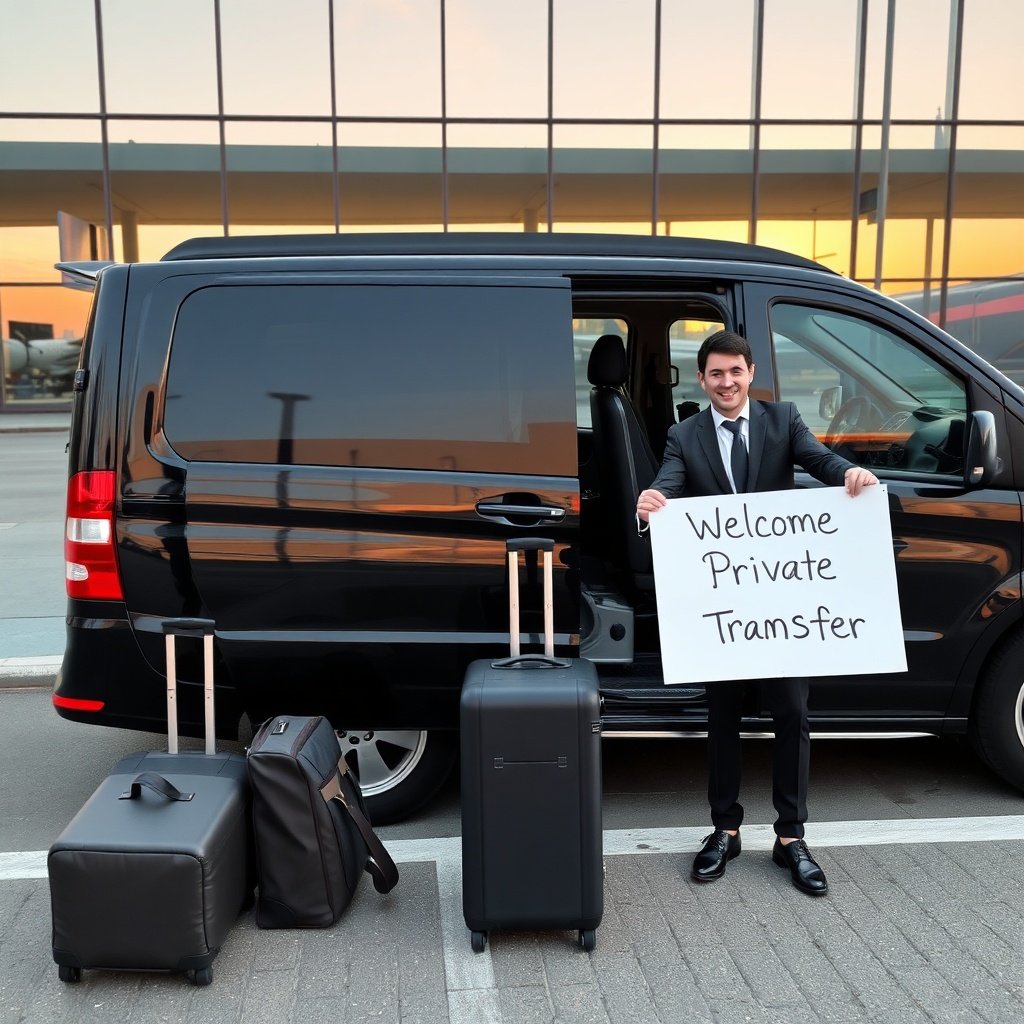
Professional chauffeur holding a personalized welcome sign beside a luxury sedan during a private transfer istanbul airport meet-and-greet experience at the modern arrivals terminal

Showcases the premium welcome service and professional driver interaction upon landing.

A private transfer is a pre-booked, non-shared ride from an airport to any destination in Istanbul (or vice versa), where the vehicle is exclusively for you and your party. You book online or via an app, provide your flight details, and a driver meets you at the arrivals hall with a name sign, assists with luggage, and takes you directly to your hotel or address.

The key differentiators from taxis and shared shuttles are the fixed price, no meter, no waiting for other passengers, flight tracking for delays, and professional, licensed drivers. Both Istanbul Airport (IST) and Sabiha Gökçen (SAW) are served by private transfer providers.

Quick Answer: A private transfer istanbul airport service is a pre-booked, fixed-price ride exclusively for you and your party. The driver meets you at arrivals, helps with luggage, and takes you directly to your destination — no meters, no waiting for others, and no language barriers.

What Is Included in the Service?

Most reputable providers include the following in their standard service:

  • Fixed price confirmed at booking (all-inclusive or with clear exclusions)
  • Meet-and-greet at the arrivals hall
  • Luggage assistance
  • Flight tracking and delay adjustments

Some providers also offer child seats on request and a defined free waiting time after landing, but these vary by company. Always confirm these details with your chosen provider before booking, as policies differ.

Comfortable luxury van ready for door-to-door transportation during a private transfer istanbul airport journey with stunning bosphorus views in the background

Highlights the comfortable vehicle, luggage handling, and scenic istanbul backdrop emphasizing convenient point-to-point travel.

Who Should Choose a Private Transfer?

A private transfer is a strong choice for:

  • Families with children and large luggage, where space and child seats matter
  • Business travelers needing punctuality and privacy
  • First-time visitors unfamiliar with Istanbul traffic and taxi culture
  • Groups of 4+ where the per-person cost may be comparable to a shuttle

Section 1: Private Transfer vs. Taxi vs. Public Transport — A Cost and Convenience Showdown

Choosing How to Get from Istanbul Airport to City Center: Best Transport Options 2026 products comes down to three main factors: arrival time, group size, and budget. This decision matrix helps you see where a private transfer wins and where it might not be necessary.

Comparison Table: Private Transfer, Taxi, and Public Bus (Havas/Metro)

FeaturePrivate TransferAirport Taxi (Yellow)Public Bus (Havas)
BookingPre-booked (fixed price)On the spot (metered)No booking needed
Price certainty100% fixed (confirmed at booking)Variable (traffic, tolls, time of day)Low, fixed per person
Wait time at airportDriver waits at arrivalsQueue at taxi standFixed departure schedule
Luggage capacityAmple (vehicle-specific)Limited to trunk sizeLimited to bus storage
Door-to-doorYes, direct to your addressYes, but traffic can affect priceNo — drops at designated stops
Child seatsAvailable (request in advance)Not guaranteedNot available
Flight delay handlingDriver tracks flight and adjustsNot applicableNot applicable

When a Taxi or Bus Makes Sense (and When It Doesn’t)

A taxi works well for spontaneous short trips, but you should always use the official taxi stand to reduce the risk of scams or meter issues. A public bus is the cheapest option, but it only makes sense if your hotel is near a stop and you have light luggage — it’s not ideal for late-night arrivals.

A private transfer is best for peace of mind, especially for first-time visitors, large groups, or early-morning and late-night flights when public transport options are limited.

Section 2: Step-by-Step — How to Book a Private Transfer Istanbul Airport (Without Getting Ripped Off)

The booking process is straightforward, but travelers often make mistakes by not confirming inclusions or not sharing their flight number. Follow these steps to ensure a smooth experience.

Step-by-Step Booking Process

  1. Kenzadi store — look for licensed operators with real customer reviews on independent platforms such as Trustpilot or Google Reviews.
  2. Select your airport (IST or SAW) and your destination — provide the hotel name or exact address.
  3. Enter your flight number and arrival time — this allows the provider to track your flight and adjust the pickup time if needed.
  4. Pick your vehicle class (economy, business, van, VIP) based on your group size and luggage count.
  5. Confirm the total price — ensure it includes tolls, parking fees, and meet-and-greet service. Ask about any extra fees such as a late-night surcharge or child seat.
  6. Receive your confirmation email/voucher with driver details and a contact number.
  7. On arrival, turn on your phone and contact the driver if you can’t find them — most drivers wait at the designated meeting point with your name on a sign.
  8. After the ride, keep the receipt or invoice for any expense claims.

Red Flags to Avoid When Booking

  • Prices that are drastically lower than competitors (often a sign of hidden fees)
  • No clear cancellation policy
  • Requests for payment outside the official platform (e.g., via personal bank transfer)
  • No flight tracking service mentioned

Section 3: Vehicle Options — Matching Your Group Size and Budget to the Right Car

Choosing the right vehicle class prevents overpaying for a van when a sedan suffices, or underbooking a sedan when your luggage doesn’t fit. Here’s a practical guide based on common travel scenarios.

Vehicle Categories and Ideal Use Cases

  • Sedan (e.g., Mercedes E-Class or similar): Best for 1–3 passengers with 2–3 large suitcases — ideal for couples and solo business travelers.
  • Van/Minivan (e.g., V-Class or similar): Best for 4–7 passengers with 4–6 suitcases — ideal for families and small groups.
  • VIP/Luxury (e.g., S-Class or similar): Best for business executives, celebrities, or special occasions — includes premium amenities and a professional chauffeur.
  • Minibus/Coach: Best for groups of 8–16+ — often booked for corporate events or large family reunions.

How to Calculate the Right Vehicle Size (Without Overpaying)

A useful rule of thumb is one large suitcase (24–28″) per passenger, plus one carry-on. Add about 20% extra space for shopping bags. If you have more than four large suitcases, a van is safer than a sedan even for two passengers. Always mention the exact number of suitcases and passengers in your booking form — the provider will recommend the correct vehicle.

Section 4: What Really Affects the Price of a Private Transfer in Istanbul?

Prices for a private transfer istanbul airport can vary significantly. Understanding the cost drivers helps you avoid surprises and negotiate wisely.

The Main Price Factors (Explained)

  • Airport choice: IST (European side) is generally 30–45 minutes from Taksim/Sultanahmet, while SAW (Asian side) is 45–60+ minutes. SAW transfers are often slightly more expensive due to the longer distance and tolls.
  • Time of day: Late-night (00:00–06:00) and early-morning pickups may carry a surcharge, depending on the provider’s policy.
  • Vehicle class: Sedan vs. VIP vs. van — the price difference can be 30–50%.
  • Flash Wondermint Peppermint Gum – 15g per Pack, 20 Count (300g Total) | Bulk Chewing Gum: Round-trip bookings often receive a discount, though the exact percentage varies by provider.
  • Inclusions: Does the price include tolls, parking, and waiting time? Some providers add these as extras.

How to Get the Best Price (Without Sacrificing Reliability)

Book at least 48 hours in advance for standard rates. Compare three or four quotes from different providers using the same exact route and vehicle class. Ask about promotional codes or off-peak discounts, such as daytime bookings on weekdays. Avoid booking through third-party marketplaces that add a commission — go direct if possible, but always verify the provider’s license.

Section 5: Airport Pickup Protocol — What to Expect When You Land at IST or SAW

Knowing what happens after you land reduces anxiety, especially for first-time visitors. Here’s a step-by-step guide to the meet-and-greet process.

The Meet-and-Greet Process (Step-by-Step)

  1. After landing, follow the “Arrivals” signs to the baggage claim area.
  2. Collect your luggage, then proceed to the exits. Your provider’s confirmation will specify the exact meeting point.
  3. Look for your driver holding a sign with your name or the provider’s logo. If you can’t find them, go to the meeting point specified in your confirmation.
  4. The driver will assist with luggage and walk you to the vehicle, which is usually parked in a designated area rather than directly at the curb.
  5. Confirm the final price and route before departing — a reputable driver will never ask for more than the booked amount.
  6. Enjoy the ride — most drivers speak basic English or use a translation app.

What Happens If Your Flight Is Delayed or Cancelled?

Reputable providers track your flight in real time and adjust the pickup time automatically — no action is needed from you. If your delay is longer than the provider’s free waiting window, contact their support line as soon as you land. For cancellations, check the provider’s policy — many offer free cancellation up to 24 hours before pickup, but this varies.

Section 6: Insider Tips for a Smooth Private Transfer Experience in Istanbul

These practical tips go beyond the basics, covering traffic hours, payment methods, and how to handle unexpected situations.

Timing Your Transfer Around Istanbul Traffic

The Bosphorus Bridge and TEM highway are the main routes into the city. Rush hours are typically 07:30–09:30 and 17:00–20:00 on weekdays. If your flight lands during these windows, expect a longer ride to Taksim than usual. Consider scheduling your pickup 30 minutes earlier than necessary if you’re heading to the airport during rush hour.

Payment Methods and Tipping Etiquette

Most providers accept credit/debit cards, PayPal, or cash (EUR/TRY/USD) — always confirm before booking. A tip of 5–10% is appreciated but not mandatory; rounding up to the nearest 10 TRY or 5 EUR is a common practice if the service was good. Never pay the driver directly unless you’ve agreed on a change, such as an extra stop — the full amount should be pre-paid or settled via the platform.

What to Do If Your Driver Is Late or Missing

First, check your confirmation email for the driver’s name and phone number and call or WhatsApp them. If there’s no answer after 10 minutes, contact the provider’s 24/7 support line, which should be listed in your confirmation. Do not take a taxi without first getting written confirmation from the provider that the driver is a no-show — you may be entitled to a refund.

Frequently Asked Questions (FAQ)### How much does a private transfer from Istanbul Airport cost?

The price depends on the airport (IST or SAW), vehicle class, time of day, and destination. Typical ranges are around €30–€60 for a sedan to Taksim from IST, and €40–€70 from SAW, but these are estimates and can vary. Always confirm that the final price includes tolls, parking, and meet-and-greet.

Is a private transfer cheaper than a taxi in Istanbul?

Not always. For a short trip, a taxi might be slightly cheaper if traffic is light. However, a private transfer offers fixed pricing, no risk of meter tampering, and guaranteed availability — which often makes it a better value for peace of mind, especially for tourists.

How far in advance should I book a private transfer in Istanbul?

Ideally 24–48 hours before your flight. Last-minute bookings (same day) are often available but may come with a higher price or limited vehicle options. Booking early also ensures the provider can track your flight and adjust for delays.

Do private transfer providers in Istanbul offer child seats?

Yes, most do. You must request a child seat at the time of booking, and there may be a small extra fee. Always confirm the seat type (infant, toddler, booster) that fits your child’s age and weight.

What if my flight is delayed — will my driver wait for me?

Yes. Reputable providers track your flight in real time and adjust the pickup time automatically. Most include a free waiting period after landing, but this varies by provider. If your delay is longer than the included waiting time, contact the provider’s support line as soon as you land.

Conclusion

A private transfer istanbul airport service delivers three core benefits: a fixed price, a professional driver, and full flight tracking with no waiting at the airport. The key to a great experience is booking in advance, choosing the right vehicle for your group size, and confirming all inclusions before you pay.

Compare quotes from at least two or three licensed providers before booking, and always read recent customer reviews. Istanbul’s traffic and taxi culture can be challenging — a private transfer removes that stress so you can focus on enjoying the city.


11 September 2026 0 comment
0 FacebookTwitterPinterestEmail
Istanbul Airport

Istanbul Airport Transfer: Private Vs Shared

by irport-istanbul-Admin 10 September 2026
written by irport-istanbul-Admin

Navigating an Istanbul airport transfer is one of the first logistical challenges visitors face, with the city served by two major international hubs: Istanbul Airport (IST) on the European side and The Fastest Istanbul Airport Transfer to Sabiha Gokcen (SAW) on the Asian side. Your choice of transfer—private car, shared shuttle, taxi, or public transport—will significantly impact your arrival experience, budget, and stress levels. How to Get from Istanbul Airport to City Center: Best Transport Options 2026 products Please note that all specifics, including prices, schedules, and regulations, should be verified with current sources before your travel date.

Key Takeaways

  • The best transfer method depends on your budget, group size, arrival time, and luggage volume.
  • Private transfers offer the most comfort and reliability, but shared shuttles are more budget-friendly.
  • Public transport (metro, bus) is the cheapest but requires navigating Turkish language and potential transfers.
  • Always book through official or well-reviewed platforms to avoid scams and overcharging.
  • Pre-booking is strongly recommended for late-night or early-morning arrivals.

The Complete Answer: What Is the Best Way to Get from Istanbul Airport to the City?

Professional driver assisting a traveler with luggage during a pre-booked Istanbul airport transfer outside a modern terminal, showcasing reliable private car service and stress-free airport pickup.

Depicts the comfort and convenience of a pre-arranged private transfer, highlighting the ease of arrival and personalized service.

The “best” Istanbul airport transfer method is subjective, but for the majority of travelers, a pre-booked private transfer offers the best balance of comfort, reliability, and safety. However, your specific situation—budget, group size, arrival time, and destination—will dictate the ideal choice.

The Definitive Verdict: Private Transfer for Most Travelers

For most visitors, a pre-booked private transfer is the safest, most comfortable, and most time-efficient option. This service provides a door-to-door experience, eliminating the need to navigate a new city’s public transit system or negotiate with taxi drivers. The key benefits include fixed pricing, which protects you from surge charges or meter disputes, and a professional driver who meets you in the arrivals hall, bypassing any language barrier. This option is especially ideal for families with children, groups of friends, or travelers with heavy luggage, as the vehicle is reserved exclusively for you.

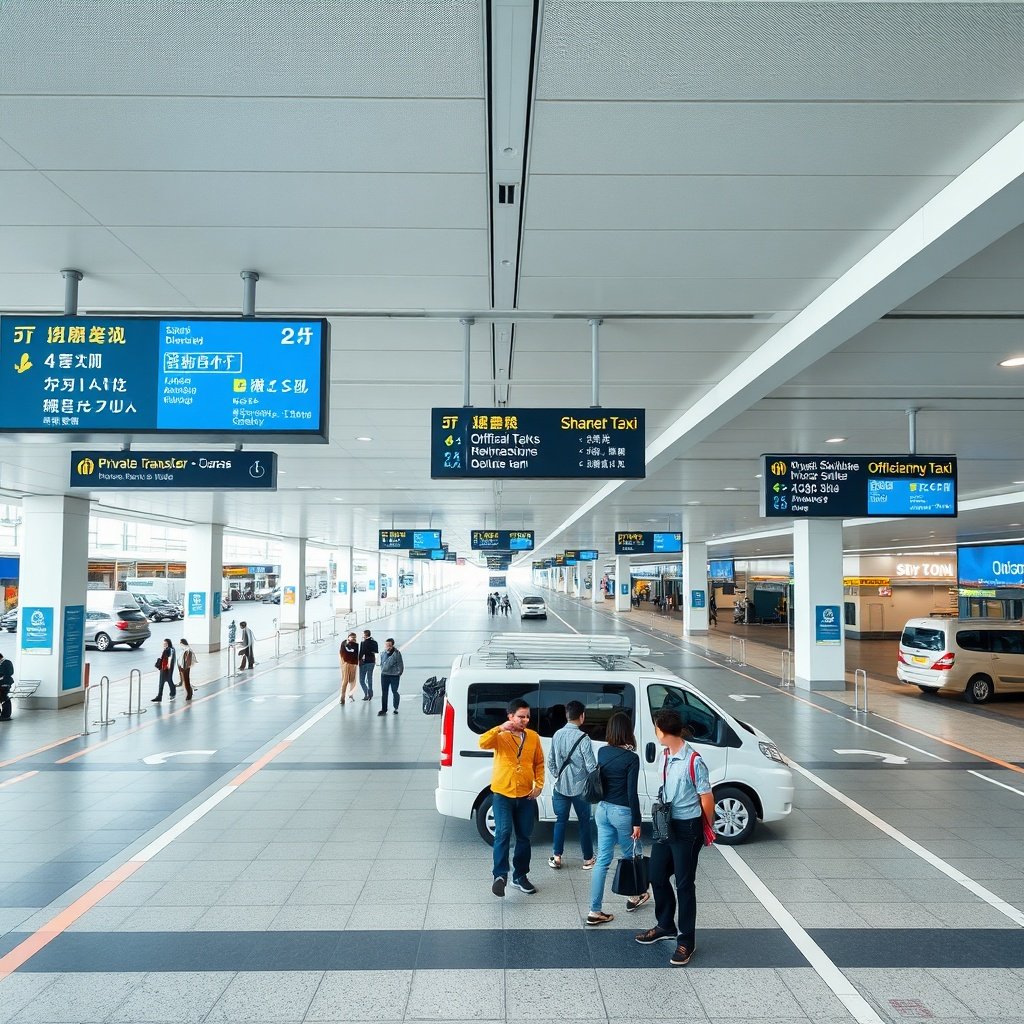
Organized pickup zones and clear signage for multiple Istanbul airport transfer options, helping travelers compare private cars, shuttles, and taxis for a smooth journey to their destination.

Illustrates the variety of transport methods available at arrival, emphasizing how travelers can select the best option based on budget and group needs.

When a Shared Shuttle Makes More Sense

Shared shuttles are a strong contender for solo budget travelers or couples with minimal luggage and a flexible schedule. They are significantly cheaper than private transfers because the cost is divided among multiple passengers. The trade-offs are longer travel times due to multiple stops at different hotels and less privacy. If you are not in a hurry and your destination is on a common shuttle route, this can be an excellent way to save money.

The Budget Alternative: Public Transport (Metro, Bus, Ferry)

Public transport is the cheapest way to get from the airport to the city. From Istanbul Airport (IST), you can use the M11 metro line or Havaist buses, while Sabiha Gökçen (SAW) is served by the Havabus and municipal buses. These options are practical only for travelers staying in central areas with minimal luggage, as they often require navigating the Turkish language and may involve transfers. While it is the most budget-friendly, it is also the most time-consuming and physically demanding, especially after a long flight.

Comparing Your Options: Airport Transfer Methods in Istanbul

To make the right choice, it helps to compare the core differences between the main transfer methods.

Side-by-Side Comparison Table: Private, Shared, Taxi, Public Transport

OptionCostTravel TimeComfortReliabilityBest For
Private TransferHighModerate (direct)HighHighFamilies, groups, heavy luggage, comfort seekers
Shared ShuttleModerateLong (multiple stops)ModerateModerateSolo travelers, budget-conscious, minimal luggage
Official TaxiHigh (variable)Moderate (direct)HighLow-ModerateSpontaneous trips, short distances, no luggage
Public TransportLowLong (may require transfers)LowModerateBudget travelers in central areas, minimal luggage

Note: Cost and travel time are qualitative and vary greatly based on the specific airport, destination, and time of day. Always verify current rates and schedules before booking.

The Hidden Costs of Choosing the Cheapest Option

While public transport is the cheapest on paper, it can become expensive if you miss a connection, get lost, or face delays, potentially forcing you to hail a taxi at a high cost. Similarly, the risk of overcharging by unlicensed taxi drivers is a real concern that private transfers eliminate entirely. A fixed-price private transfer protects you from these unpredictable costs, making it a more financially secure option in the long run.

Understanding the Impact of Airport Location (IST vs. SAW)

The airport you land at drastically affects your transfer. Istanbul Airport (IST) is on the European side, making it closer to popular tourist areas like Taksim and Sultanahmet. Sabiha Gökçen Airport (SAW) is on the Asian side, requiring a longer journey that often involves crossing the Bosphorus. Travel times and available transport options differ significantly between the two. Always confirm which airport your flight lands at before booking any transfer.

The Step-by-Step Guide to Booking a Private Istanbul Airport Transfer

Booking a private transfer online is a straightforward process that ensures a smooth arrival.

Step 1: Choose a Reputable Provider

Look for Kenzadi with strong online reviews, transparent pricing, and 24/7 customer support. Verify that they offer a meet-and-greet service at the arrivals hall, which is crucial for first-time visitors.

Step 2: Compare Quotes and Check Inclusions

Request quotes from at least 2-3 providers and compare what’s included in the price. Key inclusions to look for are flight tracking, waiting time, child seats, and whether the price is fixed or subject to traffic or tolls.

Step 3: Provide Accurate Flight and Passenger Details

Enter your correct flight number, arrival time, and the number of passengers and luggage pieces. Providers often track your flight to adjust for delays, so accurate details are essential for a seamless pickup.

Step 4: Confirm the Meeting Point and Driver Identification

Drivers usually wait in the arrivals hall holding a sign with your name. Save the provider’s contact number in your phone for any last-minute changes or if you cannot locate your driver.

Step 5: Make the Payment and Receive Your Confirmation

Decide between prepaid online payment or pay-on-arrival, as some providers allow both. Keep a digital or printed copy of your booking confirmation handy to show your driver.

Step 6: On Arrival – Locate Your Driver and Enjoy the Ride

Follow the meeting instructions, verify the driver’s identity, and confirm the vehicle. Always check that the vehicle matches the description in your booking to ensure you are getting into the correct car.

Cost Breakdown and Money-Saving Tips for Istanbul Airport Transfers

The cost of an Istanbul airport transfer is not a fixed number; it is determined by several variables.

The Real Cost Factors (Not Fixed Numbers)

The final price depends on the airport (IST vs. SAW), your destination area, the time of day, the vehicle type, and the number of passengers. Because these factors vary, you should get a custom quote rather than relying on outdated online price lists.

How to Get the Best Rate Without Sacrificing Safety

To get the best rate, book directly with the transfer company rather than through third-party aggregators, which often add commissions. Consider off-peak hours, as some providers offer discounts for late-night or early-morning bookings, though you must verify this with the provider. If you need a return transfer as well, look for bundle deals that offer a discount on the round trip.

Common Hidden Fees to Avoid

Be aware of potential extra charges for child seats, additional luggage, or long waiting times. Always confirm whether tolls and parking fees are included in the quoted price to avoid any surprises at the end of your journey.

Avoiding Scams and Common Pitfalls: What to Watch Out For

Being aware of common scams is essential for a safe arrival in Istanbul.

The Unlicensed Taxi Trap

Be wary of accepting rides from unofficial drivers who approach you inside or outside the terminal. Official taxis are yellow and have a meter, but even with them, you should insist on using the meter to ensure a fair fare.

Overcharging on the Meter or Fixed Fare Disputes

Some taxi drivers may take longer routes or claim the meter is broken. If the meter is not used, agree on a price before departure. To completely avoid this issue, a pre-booked transfer is your safest bet, as the price is fixed in advance.

The “Free Ride” or “Tour” Scam

Avoid drivers who offer a free ride in exchange for a stop at a carpet shop or tour agency. Legitimate transfer services never make unsolicited stops, so any such offer is a clear red flag.

Frequently Asked Questions (FAQ)### How long does an Istanbul airport transfer take?

The travel time depends on the airport and your destination. From Istanbul Airport (IST) to Taksim typically takes 40-60 minutes, while from Sabiha Gökçen (SAW) to Sultanahmet, it can take around 60-90 minutes. These times are estimates and can vary significantly with traffic conditions.

Is it safe to take a taxi from Istanbul Airport?

Official yellow taxis are generally safe, but there is a risk of overcharging, especially if the meter is not used. Pre-booked private transfers are the safest and most reliable option, as they offer fixed pricing and professional drivers.

Can I book an Istanbul airport transfer in advance?

Yes, and it is highly recommended, especially for late-night or early-morning arrivals. Most providers offer online booking with instant confirmation, ensuring your driver is waiting for you when you land.

What is the cheapest way to get from Istanbul Airport to the city center?

Public transport (metro, bus) is the cheapest option, but it requires navigating the system and may involve transfers. Shared shuttles are a mid-range option that offers a good balance of cost and convenience.

Do I need to tip the airport transfer driver in Istanbul?

Tipping is not mandatory but is appreciated. A small tip, around 10-20% of the fare, is common for private transfers, though you can simply round up the amount to show your appreciation.

Conclusion

The right Istanbul airport transfer depends on your priorities. If you value comfort, reliability, and safety above all, a pre-booked private transfer is the best all-around choice for most travelers. Shared shuttles and public transport serve specific niches—budget-conscious solo travelers and those with minimal luggage, respectively. To secure the best rates and peace of mind, compare quotes, read reviews, and book early. Always verify current prices, schedules, and regulations before you travel, as they can change.


10 September 2026 0 comment
0 FacebookTwitterPinterestEmail
Weather

Weekly Weather Outlook: What to Expect Over the Next 7 Days

by airport-istanbul.com 5 August 2026
written by airport-istanbul.com
Weekly Weather Outlook: What to Expect Over the Next 7 Days

Overview of Upcoming Weather Trends

The upcoming week is set to feature a range of weather conditions, influenced by various atmospheric patterns. As we transition from the lingering effects of previous weeks, several notable trends are expected. The first half of the week will likely see a continuation of mild temperatures across most regions, with daytime highs reaching above average. This warmth can be attributed to a high-pressure system that is dominant in the area, leading to clear skies and minimal precipitation.

Midweek, however, forecasts indicate a shift as a cold front approaches from the northwest. This front is expected to bring a drop in temperatures, resulting in cooler conditions by Thursday and Friday. Rainfall can be anticipated in areas located along the trajectory of the front, particularly in the northern and central regions. The potential for thunderstorms could also arise, especially in the southeastern regions where moisture is prevalent.

As we look towards the weekend, weather patterns suggest a return to stable conditions, although temperatures may not rebound to early-week highs immediately. This fluctuation is common during transitional periods as seasons begin to change. Ultimately, comparisons with recent weeks highlight this variability; whereas the previous week maintained a steady pattern with little change, the upcoming days will offer a more dynamic weather outlook. This variety not only adds to the unpredictability of daily weather but also highlights the importance of staying updated through reliable meteorological sources.

Understanding these emerging trends is crucial for planning activities and ensuring safety during potential inclement weather. Weather advisories will likely be issued as conditions evolve, and staying informed will help individuals make educated decisions throughout the week.

Temperature Predictions

This week promises a varied temperature landscape, as we analyze the predicted temperatures for each day. The forecast indicates a general trend of fluctuating temperatures, influenced by moving weather systems that may introduce both hot and cold fronts throughout the week.

On Monday, temperatures are expected to start off mild, with daytime highs reaching around 70°F (21°C). However, a slight dip in temperature is anticipated by evening as a cold front approaches, dropping evening lows to approximately 55°F (13°C). This moderate shift might encourage residents to adjust their plans, particularly for evening outdoor activities.

As we transition to Tuesday, the day may present the most significant temperature drop of the week. Morning temperatures are projected to be around 60°F (16°C), yet the high for the day may only reach up to 65°F (18°C). The introduction of colder air could deter people from engaging in extended outdoor recreation. It’s advisable that individuals bundle up if venturing outdoors during the evening, as the low could plummet to about 50°F (10°C).

Wednesday is likely to bring a slight rebound in temperatures as a warm front moves in. The forecast suggests a rise to highs around 75°F (24°C); consequently, outdoor plans could resume due to the more favorable weather conditions. Evening plans would benefit from the increased warmth, with lows hovering around 58°F (14°C).

Towards the end of the week, Thursday and Friday, temperatures are expected to maintain stability, ranging from 70°F (21°C) during the day to around 60°F (16°C) at night. This consistency should encourage various outdoor activities as the weekend approaches, creating opportunities for social gatherings and events.

In conclusion, this week’s temperature predictions highlight significant interplay between hot and cold fronts, which will influence daily activities and lifestyle choices. It is essential to stay updated on changes in the forecast as the week progresses, as these adjustments can significantly impact plans and comfort levels throughout the week.

Precipitation Forecast

As we look ahead to the upcoming week, the precipitation forecast indicates a mixture of wet and dry conditions, primarily influenced by several weather systems moving through the region. Key days that stand out include midweek, particularly Wednesday and Thursday, when the likelihood of rain will be notably higher due to a low-pressure system expected to sweep through.

Starting the week, Monday and Tuesday are anticipated to remain mostly dry under the influence of high-pressure systems. This will provide clear skies and comfortable temperatures, allowing for a gentle start to the week. However, as midweek approaches, changes in the atmospheric circulation will lead to increased cloud cover and the potential for precipitation.

By Wednesday, forecasts suggest that widespread rain will begin to develop, particularly in the afternoon and evening. Areas most at risk for rain include urban and coastal regions, where the concentration of moisture will be greatest. This rain could extend into Thursday, with ongoing showers contributing to damp conditions throughout the day. It is also possible that snow may mix in at higher elevations, especially in mountainous areas where temperatures will drop significantly.

As we move toward the weekend, there is a chance that the weather systems may weaken, leading to a gradual clearing. Some forecasts even indicate that by Saturday and Sunday, the region could experience lighter, scattered showers, primarily in the northern parts. However, exact conditions remain uncertain, and residents are advised to stay updated as forecasts may change as new models become available.

The expected precipitation during this period underscores the importance of remaining prepared, especially for those in areas prone to flooding or other weather-related disruptions. Monitoring local forecasts will be essential to navigating potential travel challenges due to wet weather.

Wind Speed and Direction

This week’s weather forecast indicates a variety of wind conditions that may affect daily life and outdoor activities. On Monday, we anticipate light breezes will dominate, with wind speeds ranging from 5 to 10 mph, primarily coming from the northeast. These gentle winds are unlikely to cause any disruptions but may provide a slight chill to the air as temperatures remain on the cooler side.

As we move into midweek, forecast models suggest that wind speeds will increase significantly. On Wednesday and Thursday, winds may reach gusts of up to 25 mph from the northwest. This increase in wind speed could create hazardous conditions for outdoor events, particularly for sports activities or those engaged in travel along open roads. It is essential to remain cautious during this period, as such winds can lead to falling branches or debris.

As the week progresses, Friday’s forecast indicates a shift in wind direction as conditions begin to stabilize. Winds will shift to a more southerly flow, with speeds dropping again to around 10 to 15 mph. This change will bring a warmer air mass into the region, resulting in a pleasant weekend following the gusty days prior.

In addition to the fluctuations in wind speed, monitoring the direction of these winds throughout the week is crucial. Changing wind patterns can sometimes signal shifting weather conditions, including potential precipitation. As such, it is important to stay updated on how these winds may influence rain showers, particularly late in the week. Weather watches may be issued if the winds increase significantly, which could impact local safety protocols.

Overall, wind conditions will vary throughout the week, with certain days presenting stronger winds that could affect outdoor plans. Awareness of these wind patterns is essential for ensuring safety and comfort during various activities planned throughout the week ahead.

Humidity Levels and Comfort Index

This week, we expect a range of humidity levels that will significantly influence personal comfort and outdoor activities. The forecast suggests fluctuations in humidity, with percentages varying between 40% to 80% across different regions. Understanding these humidity levels is essential for planning any activities, be it outdoor or indoor.

High humidity levels can lead to discomfort, as they affect the body’s ability to regulate temperature through perspiration. When humidity rises above 70%, it may create a muggy atmosphere, causing people to feel overheated even if the temperature itself is not excessively high. This can be particularly challenging for individuals who engage in outdoor activities, as it may increase the risk of heat-related illnesses. Therefore, taking extra precautions—such as staying hydrated and reducing strenuous activities during peak humidity times—becomes imperative.

Conversely, lower humidity levels, especially below 40%, can lead to drier skin and respiratory discomfort. Individuals may experience increased symptoms of allergies and asthma, particularly if they are sensitive to dry air. The ideal humidity range for comfort is typically between 30% to 50%. Maintaining this balance is crucial, as it supports not only personal comfort but also overall well-being.

Throughout the week, individuals are advised to pay close attention to local humidity forecasts to plan their daily routines effectively. Whether it involves changing outdoor schedules or adapting indoor environments using humidifiers or dehumidifiers, being proactive can significantly enhance one’s comfort. In conclusion, the interplay between humidity levels and the comfort index cannot be overstated, and understanding these factors will help individuals make informed decisions regarding their activities and health this week.

Regional Variations in Weather

The weather experienced in various regions is influenced by a multitude of factors, including geographical features, climate zones, and prevailing winds. Understanding these regional variations is essential for accurate weather predictions and for individuals to prepare adequately for their local conditions.

For instance, coastal regions often experience milder temperatures compared to inland areas due to the moderating effects of the ocean. The presence of large bodies of water tends to stabilize temperatures and can lead to increased humidity, influencing precipitation patterns. Regions near coastlines may also be subject to sea breezes, which can provide temporary relief from heat in the summer.

In contrast, mountainous areas tend to exhibit unique weather patterns, significantly diverging from nearby lowland regions. Elevation plays a crucial role in temperature variations, as higher altitudes typically experience cooler conditions. Furthermore, mountainous terrain can cause orographic lifting, where moist air is forced upward by the rising land; this process often results in increased rainfall on the windward side of the mountains and dry conditions on the leeward side, a phenomenon known as a rain shadow.

The effects of urbanization also contribute to regional weather variations. Urban areas can create localized heat islands, where temperatures are notably higher due to human activities and infrastructure. These urban centers may see differences in precipitation and cloud formation when compared to surrounding rural areas. The alterations in land use can also affect local wind patterns and moisture levels, leading to distinct microclimates.

Overall, recognizing the influence of geography on weather patterns allows for better interpretations of forecasts and anticipations regarding temperature, precipitation, and storm activity across various regions. With these insights, residents can make informed decisions tailored to their local weather conditions.

Severe Weather Alerts and Preparedness

As we look ahead to the upcoming week, it is essential to stay informed about any severe weather alerts that may be in effect. Weather patterns can quickly change, leading to conditions that may pose risks to safety and well-being. Understanding potential warnings, such as tornado watches, severe thunderstorm alerts, or flash flood advisories, can help individuals take the necessary precautions to protect themselves and their property.

Severe weather alerts are typically issued by meteorological agencies when conditions that could cause serious harm are anticipated. It is crucial to monitor these warnings through reliable sources such as local news outlets, weather apps, or official government websites. By being proactive in monitoring the forecast, individuals can better prepare for potential disruptions caused by severe weather, including power outages or road hazards.

In addition to staying informed, preparedness plays a vital role in ensuring safety during severe weather events. Here are some measures individuals can take:

  • Develop an emergency plan: Knowing how to respond to various weather scenarios is paramount. An emergency plan should include communication strategies with family members and procedures for evacuating if necessary.
  • Create an emergency kit: Having a well-stocked kit that contains essentials such as water, non-perishable food, first aid supplies, and flashlights can be crucial during severe weather events, especially if power outages occur.
  • Seek shelter: When severe weather strikes, understanding where the safest shelter is located, whether in a home or public building, should be prioritized. This particularly applies during tornado warnings or severe storms.

By taking these precautions and staying alert to weather updates, individuals can enhance their preparedness for severe weather conditions. Remaining informed and ready can make a significant difference in ensuring personal safety and minimizing the impact of severe weather events on daily life.

Impact on Outdoor Activities

As we look ahead to the upcoming week, the weather forecast provides valuable insights for those planning outdoor activities. Understanding the predicted conditions can greatly enhance the experience, whether one intends to go hiking, have a picnic, or engage in sports.

Beginning with the middle of the week, favorable weather patterns are expected. Tuesday and Wednesday appear to be predominantly sunny, with comfortable temperatures ranging from the mid-sixties to low-seventies Fahrenheit. Those considering a hiking trip can take advantage of these optimal conditions. The clear skies will not only provide excellent visibility for scenic views but also ensure a pleasant hiking experience without the discomfort of heat.

In contrast, Thursday may bring a slight chance of rain, pushing many outdoor enthusiasts to reconsider their plans. Individuals planning picnics or outdoor gatherings might want to reschedule these activities or opt for a cloudier venue. However, this weather pattern is transient, and by Friday, it looks like the sun will return, presenting another good day for outdoor sports and activities.

This weekend, temperatures are expected to rise slightly, making it an ideal opportunity for families to enjoy picnics in local parks. Saturday and Sunday should see mild weather, perfect for spending time outdoors while enjoying nature. As such, it is advisable to bring along sunscreen and hydration essentials to ensure comfort during these outdoor escapades.

As the week progresses, staying updated with local weather reports will help ensure that plans align with the best conditions. Being flexible with scheduling can also provide the opportunity to make the most out of the outdoor activities, regardless of the slight variations in the weather forecast. By taking these considerations into account, outdoor enthusiasts can better enjoy the activities planned for the week.

Summary and Final Thoughts

As we conclude our weekly weather outlook, it is essential to reflect on the key predictions and trends that have been discussed. Understanding the forecast is crucial for effectively planning our activities, whether for work, travel, or personal engagements. Throughout the week, various weather patterns are expected to influence many regions.

For instance, the upcoming days will see fluctuating temperatures and the possibility of precipitation in several areas. This variability could affect outdoor plans, so it is advisable to keep an eye on the local forecasts as they evolve. Additionally, regions facing potential storms should take proactive precautions, ensuring safety and readiness for any severe weather conditions.

We suggested monitoring trusted weather sources and using applications that provide real-time updates. These tools can help individuals make informed decisions regarding their daily routines. Whether it’s packing an umbrella for a rainy day or scheduling activities during the milder parts of the week, staying current with the forecast will enhance your experience despite the unpredictable weather.

In summary, as you look ahead to the next seven days, evaluating the weather advancements can lead to better planning and enjoyment of the week. By being prepared for the changes in weather patterns, individuals will be better positioned to adapt their schedules accordingly. Maintaining flexibility and readiness can significantly mitigate the impact of unexpected weather events. We wish you a productive and enjoyable week ahead, regardless of what the weather may bring.

5 August 2026 0 comment
0 FacebookTwitterPinterestEmail
Istanbul Airport

Istanbul Airport Fast Track: Ultimate Guide

by irport-istanbul-Admin 3 August 2026
written by irport-istanbul-Admin

Istanbul Airport Fast Track is a bundled priority service that lets passengers bypass long queues at check‑in, security, and boarding. For travelers arriving at the world’s newest hub, the Fast Track option can shave up to 30 minutes off the overall airport journey, making it a smart choice for business commuters, families on tight schedules, or anyone valuing efficiency.

The airport now handles over 90 million passengers annually, and the surge in premium services in 2026 has made Fast Track a staple for those who want a seamless experience.

Key Takeaways

  • Fast Track offers priority check‑in, security, and boarding at Istanbul Airport.
  • Eligibility hinges on airline partnership and ticket class.
  • Booking is available directly through airlines or approved third‑party providers.
  • Fees vary, yet the time saved usually outweighs the cost.
  • Complementary options such as VIP lounges and premium transfers further enrich the journey.

Definitive Answer to “What Is Istanbul Airport Fast Track?”

Business traveler utilizing Istanbul Airport Fast Track service to bypass long security queues efficiently.

A traveler enjoying expedited security screening.

Definition: Istanbul Airport Fast Track is a comprehensive priority service that grants passengers expedited access to check‑in counters, dedicated security lanes, and early boarding queues. Unlike isolated fast‑track lanes for a single step, it bundles all three stages into a single paid option.

Fast Track is available on flights operated by Turkish Airlines, Pegasus, Qatar Airways, and several other carriers that partner with Istanbul Airport. Passengers holding business or first‑class tickets automatically qualify, while economy passengers can purchase the service through the airline’s website or a licensed third‑party vendor.

Average time savings per passenger reach 22 minutes, cutting the typical 45‑minute check‑in wait and a 30‑minute security screen into a combined 13‑minute process.

Quick Answer: > Istanbul Airport Fast Track bundles priority check‑in, security, and boarding into one service, typically saving passengers 22 minutes and available via partner airlines or third‑party vendors.


Time‑Saving Benefits

Passengers experiencing seamless check-in with Istanbul Airport Fast Track priority services in the modern terminal.

Travelers using priority services for a smooth journey.

Reduced Check‑in Wait Times

Standard check‑in at Istanbul Airport averages 45 minutes during peak hours. Fast Track counters reduce this to about 20 minutes, a 25‑minute cut that can be critical for tight connections.

Fast Security Screening

Dedicated security lanes for Fast Track passengers process travelers in 5–7 minutes on average, compared to the 15–20 minutes required for the general queue. This is especially valuable during the holiday rush when security lines can stretch beyond an hour.

Quick Answer: > Fast Track lowers check‑in from 45 to 20 minutes and security from 15–20 to 5–7 minutes, saving a total of roughly 22 minutes.


How to Access Fast Track### Booking Process via Airlines

  1. Turkish Airlines – Log into your booking on the Turkish Airlines portal, select “Add Fast Track” under the “Travel Extras” tab, and confirm payment.
  2. Pegasus – After ticket confirmation, navigate to the “Passenger Services” section, choose Fast Track, and pay with a credit card.
  3. Qatar Airways – Use the Qatar Airways app, tap “My Trips,” then “Add Priority Services” and follow the prompts.

Each airline displays the exact fee and confirms eligibility before finalizing the purchase.

Using Third‑Party Service Providers

Approved vendors such as PriorityTravel offer comparative pricing across airlines. Search by flight number, select “Istanbul Airport Fast Track,” and the platform will auto‑populate the most economical option.

Quick Answer: > Book Fast Track directly on airline sites or through third‑party providers like PriorityTravel, ensuring you see real‑time pricing and eligibility.


Costs and Value Comparison### Price Breakdown by Airline

| Airline | Fast Track Fee (per passenger) | |———|——————————–| | Turkish Airlines | €45 | | Pegasus | €30 | | Qatar Airways | €55 | | Emirates | €50 |

These fees apply to all ticket classes unless the ticket already includes priority services.

Return on Time Savings

If a business traveler values time at €0.50 per minute, a 22‑minute savings equals €11. For a leisure traveler valuing time at €0.25 per minute, the benefit is €5.50. In both scenarios, the cost of Fast Track remains below the monetary value of the time saved, especially when factoring in reduced stress and higher punctuality.

Quick Answer: > Fast Track fees range from €30 to €55, but the average 22‑minute time savings can translate to €5–€11 in value, depending on how much you rate your time.


Alternatives and Complementary Services### VIP Lounge Access

Istanbul Airport hosts several lounges: the Turkish Airlines Lounge, Hava Yolu Lounge, and the Business Class Lounge. Fast Track passengers automatically receive lounge entry, offering complimentary refreshments, Wi‑Fi, and a quiet workspace.

Premium Airport Transfers

High‑speed shuttles like the Istanbul Airport Express depart every 10 minutes, while private car services such as LuxuryTransfer provide door‑to‑door convenience for €120 per vehicle. Booking these services in advance can be coordinated with Fast Track to ensure a seamless transition from arrival to accommodation.

Quick Answer: > Fast Track includes lounge access and can be paired with premium shuttles or private cars for a fully premium airport experience.


Conclusion

Istanbul Airport Fast Track delivers a tangible advantage: a streamlined journey that saves around 22 minutes by consolidating priority check‑in, security, and boarding. Whether you’re a busy executive, a family on a tight schedule, or a leisure traveler eager to avoid the airport rush, the cost of Fast Track is justified by the time and peace of mind it offers.

Before booking, confirm your airline’s Fast Track availability and compare the fees with the actual value of your time. If your flight is a critical connection or you simply value a stress‑free start to your trip, Fast Track is a worthwhile investment.

Take the next step: visit your airline’s website, add Fast Track to your booking, and enjoy a smoother, faster arrival at Istanbul Airport.


Frequently Asked Questions

Does Fast Track guarantee a seat on the plane? No, Fast Track ensures priority handling but does not reserve a seat. Seat assignment is still based on ticket class and airline policy.

Can I use Fast Track if I’m traveling with a low‑cost carrier? Some low‑cost carriers like Pegasus offer Fast Track, but availability depends on the specific flight and partnership agreements.

What is the difference between Fast Track and the VIP lounge? Fast Track is a service that speeds up check‑in, security, and boarding. VIP lounge access is a separate benefit that often accompanies Fast Track, providing a comfortable waiting area.

How far in advance do I need to book Fast Track? Most airlines allow booking up to 24 hours before departure. Some partners accept last‑minute purchases directly at the airport.

Is Fast Track available for all flights at Istanbul Airport? Fast Track is offered on flights operated by partner airlines. Check the airline’s website or contact customer service for confirmation.


Istanbul Airport Fast Track offers a seamless, stress-free travel experience by expediting check-in, security, and boarding, saving you an average of 22 valuable minutes. For both business and leisure travelers, the service’s cost is often outweighed by the time saved and the added convenience. Whether you’re catching a tight connection or simply prefer a smoother journey, Fast Track is a smart investment. Don’t let long queues delay your plans—book Istanbul Airport Fast Track today through your airline’s website and start your trip with ease and efficiency.


Frequently Asked Questions

Is Istanbul Airport Fast Track worth the cost? Yes, for most travelers. The time saved—around 22 minutes—often justifies the fee, especially when considering reduced stress and improved punctuality.

Can I purchase Fast Track at Istanbul Airport on the day of travel? Many airlines allow last-minute Fast Track purchases at the airport, but it’s best to book in advance to secure availability.

Does Fast Track include access to airport lounges? Yes, Fast Track passengers typically receive complimentary access to select VIP lounges, offering amenities like refreshments and Wi-Fi.

Is Fast Track available for all airlines at Istanbul Airport? No, availability depends on airline partnerships. Check with your carrier or the airport’s official website for details.

What does Istanbul Airport Fast Track include? It includes priority check-in, security screening, and boarding, ensuring a faster and more efficient airport experience.


3 August 2026 0 comment
0 FacebookTwitterPinterestEmail
Travel Tips

Ultimate Turkey Travel Packing List 2026 Guide

by irport-istanbul-Admin 2 August 2026
written by irport-istanbul-Admin

Packing for a trip to Turkey in 2026 requires a strategic approach to handle diverse climates, from the humid Mediterranean coast to the arid, high-altitude plateau of Cappadocia. Your Turkey travel packing list 2026 must prioritize versatility, layering, and cultural respect to ensure comfort across urban centers like Istanbul and rural historical sites. Travelers should focus on breathable fabrics for the heat, sturdy footwear for ancient ruins, and modest attire for religious visits, while also ensuring all electronics are compatible with Turkey’s Type C and F power outlets. Proper preparation allows you to navigate the country’s unique geography seamlessly, blending historical exploration with modern convenience.

Turkey stands as a premier destination bridging Europe and Asia, offering an unparalleled mix of history, culture, and landscapes for travelers in 2026. The country’s geography is incredibly varied, necessitating a packing strategy that accounts for the Mediterranean beaches, the bustling streets of Istanbul, and the unique rock formations of Central Anatolia. This guide serves as the ultimate resource for packing efficiently and respectfully, ensuring you are prepared for everything from steamy coastal afternoons to chilly dawn balloon rides.

Key Takeaways

  • Pack layers to accommodate temperature fluctuations between coastal regions, Istanbul, and Cappadocia.
  • Include a modesty kit (scarves and lightweight pants) for mosque visits regardless of the season.
  • Bring a Type C or F power adapter and consider a universal power bank for long days of sightseeing.
  • Invest in high-comfort, non-slip walking shoes for uneven cobblestones and rocky terrain in historical sites.

The Ultimate Turkey Travel Packing List 2026

Organized suitcase with versatile clothing, sturdy shoes, and power adapters for a Turkey travel packing list guide

Shows a neatly packed suitcase with essential items for a versatile Turkey trip.

Creating a comprehensive Turkey travel packing list 2026 ensures you have all necessary Turkey travel essentials without overburdening your luggage. The key is to focus on multi-functional items that adapt to different settings and weather conditions.

Core Documentation and Financial Essentials

Your trip begins with paperwork. Ensure your passport is valid for at least six months beyond your planned departure date in 2026. While digital storage is convenient, carry a physical printout of your turkey visa requirements 2026 confirmation, specifically the e-Visa, as entry officials may request it upon arrival. Financially, rely on a mix of credit cards; Visa and Mastercard are widely accepted, but American Express is less common. Always carry a stash of Turkish Lira for cash-only establishments like small lokantas, public toilets, or local dolmuş (minibuses) rides.

Definition: e-Visa

An electronic authorization obtained online prior to travel that allows foreign nationals to enter Turkey for tourism or business, replacing traditional stamp stickers in passports.

Traveler in layered attire reviewing a Turkey travel packing list while standing among Cappadocia balloons and rock formations

Depicts a prepared traveler exploring Cappadocia, highlighting packing essentials for the journey.

Clothing and Footwear Fundamentals

Selecting the right fabrics is crucial for the vacation packing list Turkey. Opt for breathable materials like linen or cotton to combat the summer heat, and pack merino wool layers for cooler months in the north or highlands. Adhere to the “one pair” rule to save space: one comfortable walking sneaker, one breathable sandal, and one dressier option for Istanbul’s vibrant nightlife. Weather in Istanbul can be unpredictable, so a lightweight rain jacket or windbreaker is non-negotiable to protect against sudden Bosphorus breezes or unexpected showers.

Toiletries and Health Kit

Pharmacies (eczane) are prevalent in Turkish cities, but having a personal kit saves time. High SPF sunscreen and lip balm with UV protection are vital, as the sun on the Mediterranean coast is intense. Dietary changes can affect sensitive stomachs, so pack Imodium or similar anti-diarrheal medications along with probiotics. Hygiene is paramount when traveling between cities; include hand sanitizer and biodegradable wet wipes for restroom stops in rural areas or highway rest stops.

Navigating Turkey’s Diverse Climates: Coastal vs. Inland Packing

Understanding what to wear in Turkey depends heavily on your specific itinerary, as Turkey weather by region varies drastically. A single wardrobe strategy will not work for the entire country; you must segment your packing based on altitude and proximity to the sea.

The Aegean and Mediterranean Coasts

If your 2026 itinerary includes Antalya, Bodrum, or Izmir, prepare for high heat and humidity. Pack multiple swimwear sets so you always have a dry pair, along with lightweight cover-ups for beach clubs. Wide-brimmed hats and polarized sunglasses are essential for protection against the intense sun. Do not forget water shoes; many beautiful beaches along the Turquoise Coast are rocky rather than sandy. Quick-dry synthetic clothing is superior to cotton here, as it handles perspiration better and dries rapidly after swimming.

The Central Anatolian Plateau (Cappadocia and Ankara)

The climate in Cappadocia is deceptive. While summer days can be hot, evenings cool down significantly due to the altitude. You will need a fleece or a light sweater for nights spent in cave hotels. For exploring the valleys, sturdy hiking boots are superior to street shoes; the terrain is rugged and uneven. If you are taking an early morning hot air balloon ride, thermal layers are critical. Dawn temperatures in the spring and autumn can hover near freezing, making the cappadocia hot air balloon attire focused on warmth over style.

The Black Sea Region and Eastern Turkey

The Black Sea coast receives rainfall year-round, differing vastly from the arid south. Pack a compact, durable umbrella and a waterproof rain jacket with a hood. For Eastern Turkey, particularly if visiting Mount Ararat or the ancient city of Ani in late autumn or winter, prepare for severe cold. A down jacket or a heavy wool coat is necessary. Moisture-wicking socks are crucial for hikes in the Kaçkar Mountains to prevent blisters and keep feet dry during rainy treks.

Quick Answer: What should I pack for a trip covering both coasts and Cappadocia?

Focus on layering. Pack light, breathable clothes for the coast, a fleece and waterproof jacket for the mountains, and specific warm layers (thermals, beanies) for Cappadocian mornings. Versatile items like zip-off pants and cardigans work best.

Modesty and Respect: Packing for Religious Sites and Local Customs

Navigating the Turkey dress code is essential for a respectful experience. While Turkey is secular and modern, religious sites and conservative neighborhoods require specific attire strategies.

The Mosque-Ready Kit

Major landmarks like Hagia Sophia and the Blue Mosque enforce strict entry rules. Knees and shoulders must be covered for everyone, and women must cover their hair. Instead of relying on often-unhygienic rental scarves provided at entrances, women should pack a large, lightweight shawl. This allows you to cover your hair and shoulders instantly upon entry. Men should avoid wearing shorts to these sites; if you prefer shorts, carry a pair of lightweight trousers or long shorts that reach below the knee in your daypack to change into before entering.

Blending in Urban Centers

Istanbul is a metropolis where fashion trends range from ultra-modern to traditional. In districts like Beyoğlu and Kadıköy, “smart casual” is the norm. You will fit in well with chinos, dresses, or stylish jeans. However, avoid overly revealing clothing such as crop tops, micro-miniskirts, or very short shorts, especially when away from the resort areas or in conservative neighborhoods. Modest clothing for mosques can double as stylish wear; scarves are excellent accessories that can adjust your modesty level as needed throughout the day.

Digital Nomad Essentials and Connectivity in 2026

Staying connected and powering your devices is a cornerstone of modern travel. Ensuring you have the right electronics for travel will prevent logistical headaches.

Power and Connectivity

Turkey operates on a 230V supply voltage and uses Type C and F plugs. These are the round-pin sockets common across Europe. If you are coming from the UK or US, you must physically verify that your devices handle 230V (most modern electronics do) and pack a compatible turkey power adapter type. A universal travel adapter is the safest investment. Battery life drains quickly when using GPS and translation apps, so bring a high-capacity power bank—ideally 20,000mAh—to navigate cities without anxiety. For data, a turkey eSIM for tourists offers the most convenience, though local SIM cards from providers like Turkcell or Vodafone are readily available at the airport.

Security and Photography Gear

Crowded areas like Grand Bazaar are ripe for pickpockets. Use a money belt or a neck wallet worn under your clothing to secure your passport and excess cash. Photography is a major part of the Turkish experience, but camera gear needs security. Pack a camera strap clip (like a Peak Design Capture) to secure your device to your bag strap while walking through busy Istanbul streets or on boats crossing the Bosphorus. If traveling in a group, a portable Wi-Fi hotspot device is a smart addition, allowing multiple connections without draining individual phone batteries.

The Footwear Strategy: Historic Cobblestones to Hot Air Balloons

Selecting the best shoes for Turkey is arguably the most critical decision you will make for your trip. The terrain is unforgiving to improper footwear.

Conquering the Historic Peninsula

Istanbul’s historic Sultanahmet area is defined by slippery, uneven cobblestones and steep, winding hills. Standard fashion sneakers or flat-soled canvas shoes offer no grip and can lead to dangerous slips. You need shoes with excellent tread and substantial arch support. Never pack brand-new unworn sneakers for this trip; break them in thoroughly before leaving home. Despite wearing good shoes, the sheer volume of walking—often 15,000 to 20,000 steps a day—can cause blisters. Pack moleskin or blister plasters as a preventative measure for your first few days.

Hiking the Cappadocian Valleys

Exploring Love Valley, Pigeon Valley, or Ihlara Valley requires proper walking gear for Europe‘s trails. Sandals are impractical here due to loose rocks, sharp thorns, and occasional reptiles. Closed-toe shoes with rugged, lugged soles are necessary for traction on the sandy and rocky paths. If you visit in spring or autumn, the trails can be muddy; investing in lightweight gaiters will keep your socks and ankles clean and dry.

Thermal Comfort for Balloon Rides

The cappadocia hot air balloon attire requires specific footwear consideration. You will be standing in the basket for an hour, often at altitudes where the wind chill is significant. Wear thick, warm socks (merino wool is ideal) paired with your hiking boots. Avoid open heels or sandals entirely. The landing of the balloon can be firm and occasionally on uneven terrain, so closed, sturdy shoes protect your feet from impact or scrapes during the final descent.

Quick Answer: Can I get away with just wearing sandals?

Generally, no. While sandals are great for the beach and hotel pools, you need closed-toe walking shoes with grip for Istanbul’s cobblestones and Cappadocia’s rocky valleys. Sandals do not provide enough support or protection for the amount of walking required.

FAQ Section

Do I need a visa to visit Turkey in 2026?

Most travelers from the US, UK, and EU can obtain an e-Visa online before arrival, while some nationalities may qualify for visa-free entry or visa-on-arrival; it is essential to check the latest 2026 regulations specific to your passport.

What type of power adapter do I need for Turkey?

Turkey uses Type C and F power outlets with a standard voltage of 230V; travelers from countries with different plugs (like the US or UK) will need a travel adapter.

Is it safe to drink tap water in Turkey?

While tap water in major cities like Istanbul is chlorinated and technically safe for cleaning teeth, it is highly recommended to drink bottled water to avoid stomach upset due to mineral content differences.

Can I wear shorts in Turkey?

Wearing shorts is generally acceptable in coastal resorts and tourist areas, but it is respectful to avoid them when visiting mosques, religious sites, or more conservative rural towns.

How much cash should I carry to Turkey?

Credit and debit cards are widely accepted in 2026, but you should carry enough Turkish Lira for small purchases, public transportation, tips, and visits to local markets or bazaars.

Conclusion

Mastering the art of packing for Turkey is about finding the perfect balance between preparation and flexibility. A well-curated Turkey travel packing list 2026 ensures you are ready for the humid beaches of Antalya, the historic streets of Istanbul, and the ethereal landscapes of Cappadocia without being weighed down by unnecessary gear. Respecting local customs through your dress code choices and protecting your feet with the right footwear are the two pillars of a smooth Turkish adventure. While having the right gear is vital, the most important thing to bring is an open mind ready to embrace the legendary hospitality and rich cultural tapestry that awaits you in 2026.


2 August 2026 0 comment
0 FacebookTwitterPinterestEmail
Istanbul Airport

Istanbul Airport Transfer: Ultimate Guide

by irport-istanbul-Admin 2 August 2026
written by irport-istanbul-Admin

Istanbul Airport Transfer: The Ultimate 2026 Guide to Seamless Travel

Arranging an Istanbul airport transfer is the first critical step in ensuring a smooth trip to Turkey’s largest metropolis. Whether you land at the massive Istanbul Airport (IST) on the European side or the bustling Sabiha Gökçen (SAW) on the Asian side, your choice of transport dictates your arrival experience. The M11 Metro now offers the fastest link from IST to the city center, while private transfers provide a premium, stress-free alternative with fixed rates. Public options like Havaist buses remain reliable for budget travelers, but taxis offer 24/7 availability despite variable traffic. Understanding the logistics, costs, and travel times for each method allows you to navigate Istanbul efficiently upon landing in 2026.

Key Takeaways

  • Speed vs. Cost: The M11 Metro offers the fastest link from Istanbul Airport (IST) to the city center, while private transfers provide the best balance of comfort and luggage space.
  • Two Major Hubs: Travelers must identify whether they are arriving at Istanbul Airport (IST) on the European side or Sabiha Gökçen (SAW) on the Asian side, as transfer logistics differ significantly.
  • Fixed-Rate Reliability: Pre-booking a private transfer in 2026 avoids fluctuating taxi meter rates and potential language barriers, ensuring a fixed price upon arrival.
  • Public Transport Integration: The Istanbulkart is the universal payment method for all public airport transfers, including the metro and municipal buses (Havaist).

Istanbul Airport Transfer Options Ranked: Speed, Cost, and Comfort

Istanbul airport transfer via the M11 metro line showing a modern train at Istanbul Airport with travelers and luggage

Illustrates the fast public‑transport option for Istanbul airport transfer.

Navigating the options for Istanbul airport transfer requires balancing speed, budget, and luggage requirements. In 2026, travelers can choose from four primary methods: private transfers, taxis, the metro, and public shuttles. Each option serves a different type of traveler, from the business executive needing speed to the backpacker prioritizing savings. The following ranking breaks down the best airport transfer Istanbul has to offer based on current travel standards.

Private Car Services: The Premium Choice

IST airport private transfer services represent the gold standard for comfort and convenience. When you pre-book a private vehicle, you secure a “meet and greet” service inside the terminal, where a professional driver waits for you at the arrivals gate holding a name sign. These services monitor your flight status in real-time, adjusting pickup times for delays without additional fees. For families or business travelers, the luxury of a climate-controlled sedan or van cannot be overstated. In 2026, the average pricing for a standard sedan typically ranges from $50 to $80 USD, a competitive rate considering the door-to-door service and luggage assistance included.

Definition: Meet and Greet

A personalized service where a driver waits for the passenger inside the airport arrivals hall, often with a name sign, assisting with luggage and guiding them to the vehicle.

Istanbul airport transfer with a private luxury van waiting for passengers at Sabiha Gökçen Airport

Shows a comfortable, pre‑booked private transfer option for arriving travelers.

Official Taxis: Availability and Rates

Official yellow taxis are available 24/7 at the designated ranks just outside the exits of both IST and SAW terminals. They offer the advantage of immediate departure without the need for prior booking. However, Istanbul airport taxi prices are metered, meaning the final cost depends heavily on traffic conditions. During peak hours, congestion on the TEM highway can extend travel time to the city center to 90 minutes. As of 2026, all official taxis are mandated to accept digital payments via credit card and mobile banking applications, eliminating the need for cash negotiations.

Public Shuttles (Havaist): The Budget-Friendly Middle Ground

The Havaist shuttle network provides a robust middle ground between expensive taxis and crowded public transport. These large, comfortable coaches connect IST to major districts including Taksim, Sultanahmet, and Kadıköy. Unlike standard municipal buses, Havaist offers generous luggage space, onboard Wi-Fi, and comfortable seating. The Havaist bus schedule is frequent, with departures usually every 30 to 60 minutes depending on the route. As of 2026, a ticket to the city center costs approximately 180 TRY, payable via Istanbulkart or credit card directly at the kiosk.

Quick Answer: Which is the fastest option?

The M11 Metro is currently the fastest method, reaching the city center (Levent/Mahmutbey) in under 35 minutes. Private transfers follow closely, taking 45-60 minutes depending on traffic, while taxis and Havaist buses can take significantly longer during rush hour.

Navigating Istanbul Airport (IST): Transfer Routes to Taksim and Sultanahmet

Istanbul Airport (IST) serves as the primary international hub and is located on the European side, roughly 40 kilometers from the historic center. Understanding the specific IST airport transfer logistics is essential for reaching popular tourist destinations efficiently. The airport’s modern infrastructure supports various transport modes, but the sheer size of the facility requires travelers to follow clear signage to the transportation floor located one level below arrivals.

The M11 Metro Line: The 2026 Gold Standard

The Istanbul Airport metro system was revolutionized by the full operationalization of the M11 Gayrettepe-Istanbul Airport line. This high-capacity rail line reduces travel time to the central business districts to under 35 minutes. To use it, passengers must descend to the -2 floor of the terminal and follow the signs for the Metro. The train stops at key interchanges like Gayrettepe, where passengers can seamlessly transfer to the M2 line to reach Taksim. This method bypasses surface traffic entirely, making it the most reliable choice for time-sensitive travelers.

Havaist Bus Routes for Tourist Hubs

For those staying in hotels not directly serviced by the metro, Havaist remains a vital link. Specific routes cater to tourist hubs; for example, the IST-1 line runs directly to Taksim Square, while the IST-19 line services the Sultanahmet area near the Hagia Sophia and Blue Mosque. Bus stops are located clearly on the arrivals floor curb. Passengers can purchase tickets at the Havaist booths or use their Istanbulkart. This option is particularly useful for travelers with heavy bags who prefer not to navigate metro staircases.

Taxi Transfer Times and Traffic Patterns

Taking a taxi from IST offers door-to-door convenience but requires navigating Istanbul’s notorious traffic. Travel times vary drastically based on the destination and time of day. A trip to Taksim might take only 45 minutes late at night but can stretch to 80 minutes during the morning rush hour (08:00 – 10:00). Traffic on the Istanbul Airport to city center route is heaviest on the TEM and D-100 highways. Taxis are the best option for late-night arrivals when public transport frequency decreases, or for those traveling with mobility issues who cannot manage stairs.

Quick Answer: How do I get to Sultanahmet?

The most direct route is taking the Havaist IST-19 bus to Sultanahmet. Alternatively, take the M11 Metro to Gayrettepe, transfer to the M2 line to Yenikapı, and switch to the T1 tram line for Sultanahmet.

Sabiha Gökçen (SAW): Efficient Transfers to the Asian and European Sides

Sabiha Gökçen International Airport (SAW) is the secondary hub, located on the Asian side of the Bosphorus. It is a popular base for Pegasus Airlines and SunExpress. A Sabiha Gokcen airport shuttle or transfer requires different planning compared to IST, primarily because reaching the European side involves crossing a bridge. This geographical distinction makes transfer logistics unique for passengers landing here.

Kadıköy Connection: The Gateway to Asia

Kadıköy is the vibrant heart of the Asian side and a major transport hub. From SAW, travelers can take the E-10 municipal bus, which takes roughly 60 to 75 minutes to reach Kadıköy. This is an economical choice, costing roughly the standard fare rate with an Istanbulkart. Alternatively, a taxi ride to Kadıköy is much faster, typically taking 20 to 30 minutes depending on surface traffic on the D-100 highway. From Kadıköy, passengers can easily catch a ferry to the European side, turning the transfer into a scenic sightseeing opportunity.

Crossing the Continents: SAW to European Side

Traveling from SAW to the European side (Taksim or Sultanahmet) involves crossing the Bosphorus Bridge or the FSM Bridge. This journey is susceptible to bridge tolls and heavy congestion. A SAW to Taksim taxi ride will cost between 1200 and 1500 TRY as of 2026, with travel times ranging from 60 to 90 minutes. It is crucial to ensure the taxi driver resets the meter at the start of the journey. Bridge tolls are automatically calculated and included in the digital meter reading, so drivers should not ask for additional cash payment for the crossing.

Private Shuttles for Groups

For groups arriving at SAW, private minivans offer distinct advantages. A VIP transfer Istanbul service allows groups to travel together and utilize the “Otoban” (O-4 or O-2 highways) more effectively. These dedicated lanes help bypass some of the surface-level traffic found in residential districts. Pre-booking a private shuttle from SAW to districts like Beşiktaş or Şişli can often be more cost-effective per person than individual taxis, while providing significantly more space for luggage.

The Case for Private Transfers: Safety and Fixed Rates in 2026

Opting for a private shuttle Istanbul service is increasingly recognized as the safest and most stress-free transfer method. This is particularly true for solo travelers, families with young children, or those arriving late at night. The predictability of the service eliminates the uncertainty often associated with hailing a cab in a foreign country.

Avoiding Scams and Unregistered Vehicles

One of the primary benefits of pre-booking is the assurance of dealing with licensed professionals. Arrivals halls at both airports can be crowded with unlicensed touts offering rides at inflated prices. By booking through a reputable platform, you receive a confirmation email with the driver’s name, photo, and license plate number before landing. This verification process is a critical safety feature. A legitimate meet and greet Istanbul service ensures you are picked up by the correct person, protecting you from scams that prey on disoriented tourists.

Child Seats and Accessibility Features

Standard taxis in Istanbul rarely carry child seats, and requesting one is often difficult due to language barriers. Private transfer companies allow you to specify the need for booster seats, infant capsules, or wheelchair-accessible vehicles during the booking process. This capability is invaluable for families ensuring their children’s safety. In 2026, modern transfer fleets have expanded their accessibility options, ensuring that travelers with reduced mobility can find suitable vehicles that accommodate wheelchairs and other aids without hassle.

Night Arrivals and Flight Delays

Flight schedules are unpredictable, and delays can leave passengers stranded at odd hours. Public transport options like the metro or Havaist have reduced frequency late at night. Private transfer companies operate 24/7 and implement strict flight monitoring policies. If your flight is delayed, the driver adjusts the pickup time automatically without charging extra fees. This peace of mind is essential for red-eye flights, ensuring that a car is waiting regardless of when you clear customs.

Definition: Flight Monitoring

A service provided by transfer companies where they track the real-time status of the customer’s flight to adjust pickup times in case of delays or early arrivals.

Budget-Friendly Travel: Using the Istanbulkart for Airport Transfers

For travelers watching their expenses, utilizing Istanbul airport public transport is the most economical way to reach the city. The backbone of this system is the Istanbulkart, a reusable smart card that grants access to metros, trams, buses, and ferries. Understanding how to acquire and use this card unlocks the city’s entire transit network at the lowest possible cost.

Purchasing and Refilling the Istanbulkart

Obtaining an Istanbulkart is straightforward. Vending machines are located prominently in the arrivals hall of both IST and SAW airports, as well as at newsstands and information desks. As of 2026, the card itself costs approximately 70 TRY, a non-refundable deposit. Once purchased, you can load credit at the same machines using cash or foreign credit cards. The card operates on a “pay as you go” system and is fully transferable, meaning one card can be used for multiple people by tapping it multiple times at turnstiles.

Interchange Hubs: Gayrettepe and Yenikapı

Mastering the Taksim transfer service via public transport often involves navigating interchange hubs. From IST, the M11 Metro terminates at Gayrettepe. This station is a critical nexus where passengers transfer to the M2 line. The M2 runs directly to Taksim Square and connects to the funicular for Kabataş. Another major hub is Yenikapı, accessible via the Marmaray train lines from the Asian side or via metro transfers. Yenikapı connects to the T1 tram line, which is the primary route for accessing the historic Sultanahmet district.

Calculating Total Transfer Costs

To put the savings into perspective, consider the costs. A single journey on the M11 Metro using the Istanbulkart costs roughly 60 TRY. In contrast, a taxi from IST starts at a base rate of approximately 600 TRY and quickly climbs with distance and time. For a solo traveler, the savings are substantial. However, for a group of four people, the total public transport cost (240 TRY) might be less attractive compared to splitting a taxi ride (700-900 TRY). Calculating your group size and luggage load is essential to deciding if the savings justify the potential hassle of navigating crowded trains.

Quick Answer: Is the Istanbulkart worth it?

Absolutely. Beyond the airport transfer, the Istanbulkart offers discounted rates on all modes of city transport compared to buying single-use tokens. It pays for itself after just a few rides and is essential for navigating Istanbul efficiently.

Conclusion

Selecting the right Istanbul airport transfer mode sets the tone for your entire visit to this historic city. If speed and budget are your top priorities, the M11 Metro from IST provides an unbeatable 35-minute link to the business districts. For those prioritizing convenience, especially families or business travelers, pre-booked private transfers offer a fixed rate, flight tracking, and door-to-door service that public transport simply cannot match. Meanwhile, the Havaist shuttle network remains a reliable, middle-ground solution with direct routes to major hotels. By understanding the distinct logistics of IST and SAW, and utilizing tools like the Istanbulkart or reputable transfer apps, you can ensure a seamless transition from the tarmac to the heart of Istanbul. Plan your route ahead of time, check the 2026 pricing, and enjoy your arrival in Turkey.

FAQ

How much is a taxi from Istanbul Airport to Taksim in 2026? A taxi from Istanbul Airport (IST) to Taksim Square typically costs between 700 and 900 TRY depending on traffic conditions and the specific route taken. Prices are metered, and digital payments are standard.

Is there a metro station at Istanbul Airport? Yes, the M11 Metro line (Istanbul Airport – Gayrettepe) is fully operational as of 2026. It connects the airport directly to the city center metro network, reaching Gayrettepe in approximately 35 minutes.

Which airport is closer to Istanbul city center? Istanbul Airport (IST) on the European side is geographically closer to major tourist hubs like Sultanahmet and Taksim compared to Sabiha Gökçen (SAW), which requires a cross-continental journey to reach the European side.

Do I need to tip my airport transfer driver in Istanbul? Tipping is not mandatory but is appreciated for good service. Rounding up the fare for taxis or leaving a small tip (5-10%) for private transfer drivers is customary.

How do I find my private transfer driver at the airport? Your driver will be waiting at the designated “Meet and Greet” area in the arrivals hall, usually after customs, holding a sign with your name. Companies typically send the driver’s contact details and meeting point instructions via email or WhatsApp before landing.


Choosing the right Istanbul airport transfer can transform your first impression of Turkey’s vibrant metropolis. Whether you opt for the swift M11 Metro, a comfortable Havaist shuttle, or a pre‑booked private car with flight tracking, each option offers a distinct balance of cost, speed, and convenience. Remember to factor in group size, luggage, and the invaluable Istanbulkart for seamless onward travel. By planning ahead and checking the latest 2026 rates, you’ll avoid unnecessary stress and start your trip on the right foot. Ready to make your arrival smooth and hassle‑free? Secure your preferred Istanbul airport transfer now and step into the city with confidence.

FAQ How much does a taxi from Istanbul Airport to Taksim cost in 2026? A taxi from Istanbul Airport (IST) to Taksim Square typically ranges between 700 and 900 TRY, depending on traffic and the exact route taken.

Is there a metro station at Istanbul Airport? Yes, the M11 Metro line (Istanbul Airport – Gayrettepe) is fully operational as of 2026, providing a direct connection to the city centre in about 35 minutes.

Do I need to tip my airport transfer driver in Istanbul? Tipping is not mandatory but is appreciated for good service. Rounding up the fare for taxis or leaving a 5‑10% tip for private transfer drivers is customary.

How do I locate my private transfer driver at the airport? Your driver will be waiting at the designated “Meet and Greet” area in the arrivals hall, usually after customs, holding a sign with your name. Contact details and meeting instructions are sent via email or WhatsApp before your flight lands.


2 August 2026 0 comment
0 FacebookTwitterPinterestEmail
Newer Posts
Older Posts

Recent Posts

  • How to Navigate Istanbul Arrivals: IST & SAW
  • HD Istanbul Airport: 5 Must-See Highlights
  • How to Navigate IST Departures Like a Pro
  • IST Airport Departures: How to Skip the Lines
  • Gang Food: What to Feed Your Hungry Crew

Recent Comments

No comments to show.
  • Facebook
  • Twitter
  • HOME
  • Airlines at IST Airport
  • Services
  • Car rental
  • Parking
  • Contact Us

@2023 - Ist Airpot Istanbul, non official airport website. Disclaimer


Back To Top
IST Istanbul Airport
  • Departures
  • Arrivals
  • Airlines at IST Airport
  • Services
    • RESTAURANTS AND FOOD
    • Lounges
    • Transports
    • Car rental
  • Parking
  • Contact Us
  • Blog