IST Istanbul Airport
  • Departures
  • Arrivals
  • Airlines at IST Airport
  • Services
    • RESTAURANTS AND FOOD
    • Lounges
    • Transports
    • Car rental
  • Parking
  • Contact Us
  • Blog
IST Istanbul Airport
  • Departures
  • Arrivals
  • Airlines at IST Airport
  • Services
    • RESTAURANTS AND FOOD
    • Lounges
    • Transports
    • Car rental
  • Parking
  • Contact Us
  • Blog
IST Istanbul Airport
  • Departures
  • Arrivals
  • Airlines at IST Airport
  • Services
    • RESTAURANTS AND FOOD
    • Lounges
    • Transports
    • Car rental
  • Parking
  • Contact Us
  • Blog
@2023 - Ist Airpot Istanbul, non official airport website. Disclaimer
Istanbul Airport

Ultimate Istanbul Airport Food And Dining Guide 2026

by irport-istanbul-Admin 1 August 2026
written by irport-istanbul-Admin

Istanbul Airport food and dining guide 2026

Istanbul Airport is the world’s largest single-terminal hub, and its 2026 dining landscape reflects that scale. Travelers can find over 200 restaurants, cafés, and snack kiosks that blend Turkish tradition with global flavors, all accessible 24 hours a day. From street‑style simit and döner stalls to Michelin‑starred Turkish steakhouses, the airport’s food scene offers a culinary passport to the city’s East‑West crossroads.

Introduction
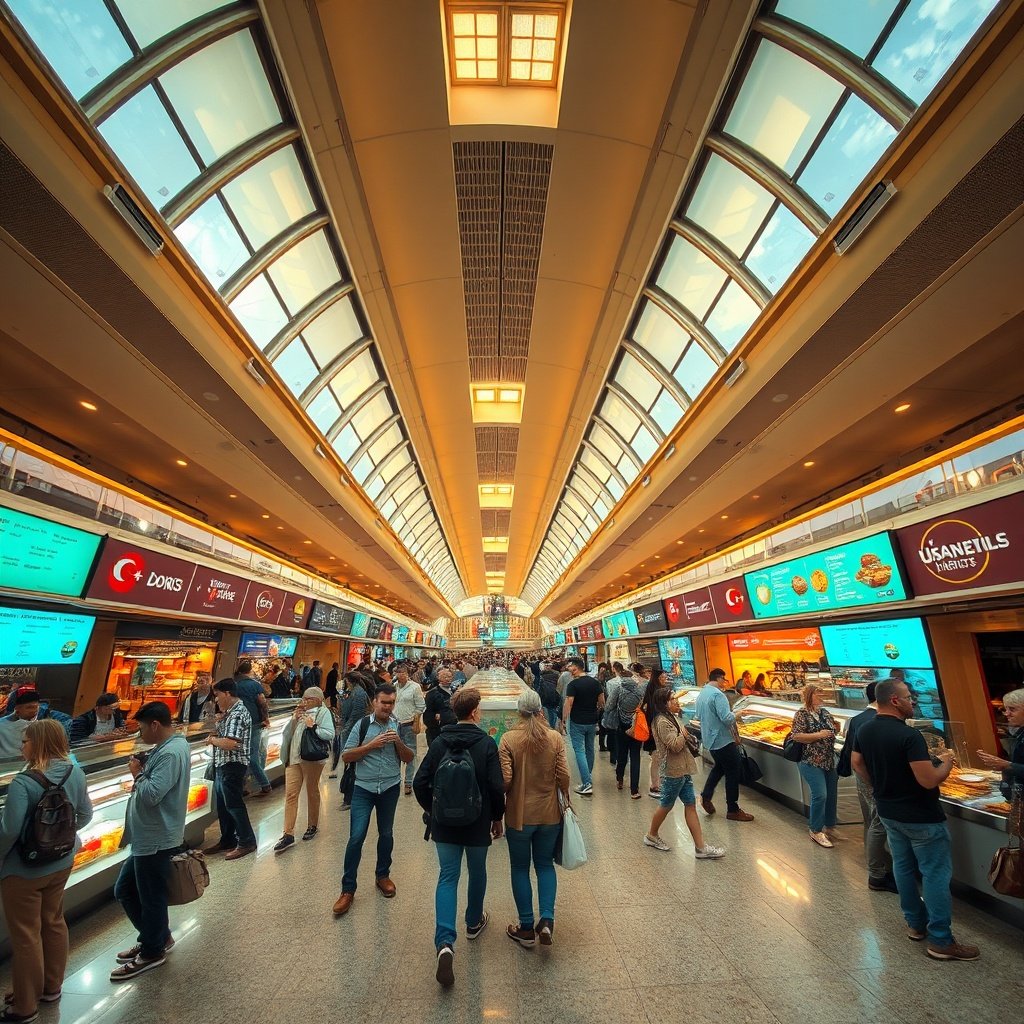
Istanbul Airport food and dining guide showcasing vibrant street‑style Turkish food stalls in the airport's central food court

Istanbul Airport (IST) opened its new terminal complex in 2018 and has since grown into a multi‑level transit hub that serves more than 70 million passengers annually. The dining options are strategically distributed across both landside and airside areas, ensuring that every traveler—from early‑morning business flyers to late‑night transit passengers—can find satisfying meals. The 2026 expansion added several new gourmet zones, including a dedicated Turkish culinary corridor that showcases regional specialties from all seven of Turkey’s geographical regions. Whether you’re looking for a quick coffee between flights or planning a leisurely tasting experience, IST’s dining infrastructure accommodates every schedule and appetite.

Quick Answer: Where to Eat at Istanbul Airport

| Dining Need | Recommended Location | Operating Hours | |————-|———————|—————–| | Quick bite before security | International Departures Hall (Landside) | 24/7 | | Traditional Turkish breakfast | Turkish Airlines Lounge (CIP) | 5:00 AM – 12:00 AM | | International cuisine | Airside Food Court (Departures Level) | 24/7 | | Fine dining | Nusr-Et Steakhouse (Airside) | 11:00 AM – 11:00 PM | | Vegetarian options | Bodrum Restaurant (Airside) | 8:00 AM – 10:00 PM | | Late-night snacks | 24/7 Cafés (All terminals) | 24/7 |

Turkish Culinary Experience at Its Best

The airport’s Turkish dining sector has been significantly upgraded in 2026, with new additions that honor the country’s rich gastronomic heritage. The centerpiece is the “Taste of Turkey” corridor, where passengers can sample regional specialties from across Anatolia. Here, travelers can watch artisans prepare fresh gözleme (stuffed flatbreads) and lahmacun (Turkish pizza) in open kitchens that fill the concourse with irresistible aromas. The corridor also features a dedicated baklava workshop where visitors can observe the delicate layering of phyllo dough and nuts that creates Turkey’s most famous dessert.

For those seeking an immersive experience, the Turkish Tea Garden offers a tranquil escape with its traditional seating and panoramic runway views. Here, servers in period costumes pour tea from small tulip-shaped glasses while offering an assortment of Turkish delight and pastries. The garden’s menu includes regional tea varieties from the Black Sea coast, providing a cultural education alongside refreshment. Adjacent to this space, the Turkish Coffee House serves authentic coffee prepared in copper cezves over hot sand, complete with fortune-telling services for interested travelers.

Celebrity Chef Restaurants

Istanbul Airport has elevated its dining credentials by partnering with Turkey’s most renowned culinary masters. The 2026 lineup includes exclusive branches of restaurants previously only found in Istanbul’s most prestigious districts. These establishments maintain the same high standards as their flagship locations, with many chefs personally overseeing menu development and staff training.

The most notable addition is the outpost of Nicole, the Michelin-starred restaurant that brings refined modern Turkish cuisine to the airport setting. Here, travelers can experience tasting menus that reinterpret traditional dishes with contemporary techniques. The airport location offers a condensed version of the full experience, with signature dishes like slow-cooked lamb shoulder with pomegranate reduction and sea bass with saffron-infused pilaf. Reservations are highly recommended, especially during peak travel periods.

Other celebrity concepts include:

  • Nusr-Et Steakhouse: Famous for its theatrical meat presentations and quality cuts, this outpost offers travelers a chance to experience chef Nusret Gökçe’s signature style.
  • Mürver: Bringing its wood-fired cooking techniques to the airport, this restaurant specializes in grilled meats and vegetables prepared over traditional mangal charcoal.
  • Neolokal: Chef Maksut Aşkar’s innovative restaurant that celebrates Anatolian ingredients through modern presentations, with a special airport-friendly menu that maintains the essence of the original concept.

International Cuisine Options

For travelers craving familiar flavors or international specialties, Istanbul Airport offers an impressive array of global dining options. The 2026 expansion introduced several new concepts that broaden the airport’s culinary horizons beyond Turkish borders. These establishments are strategically located throughout the terminal to provide convenient options for passengers at any point in their journey.

The International Food Court, located in the center of the airside concourse, features a rotating selection of global cuisines that change seasonally to keep offerings fresh for frequent travelers. Current highlights include an authentic Italian pasta bar where dishes are prepared to order, a Japanese sushi counter with fish flown in daily from Tokyo’s Tsukiji Market, and an Indian restaurant specializing in tandoor preparations. The food court’s design incorporates distinct dining zones that reflect the cultural aesthetics of each cuisine, creating an immersive experience that goes beyond just the food.

For those seeking more formal international dining, several sit-down restaurants offer full-service experiences:

  • L’Atelier de Joël Robuchon: The airport branch of this legendary French restaurant offers a selection of classic dishes prepared with the same precision as the Paris original.
  • Zuma: Bringing its contemporary Japanese cuisine to the airport, this restaurant offers a simplified menu of its signature dishes, including miso black cod and robata grilled items.
  • Novikov: This trendy restaurant combines Italian and Asian cuisines, offering travelers options ranging from handmade pasta to Peking duck.

Quick Bites and Cafés

Understanding that many travelers need efficient dining options between flights, Istanbul Airport has developed an extensive network of quick-service establishments. The 2026 renovation focused on reducing wait times and expanding grab-and-go options without sacrificing quality. These venues are strategically positioned near boarding gates and security checkpoints to minimize travel time for passengers with tight connections.

The airport’s café scene has been significantly upgraded with the introduction of several specialty coffee concepts. The Turkish Coffee Company now operates multiple locations throughout the terminal, each offering expertly prepared brews using beans sourced from Turkey’s growing specialty coffee regions. For international coffee chains, Starbucks and Coffee Circle have expanded their presence with larger locations that offer exclusive airport-only blends. These cafés also provide comfortable seating areas with power outlets, making them popular spots for travelers needing to work between flights.

For those seeking substantial quick meals, the following options are available 24/7:

  • Burger Factory: Offering gourmet burgers made with premium Turkish beef, this counter-serve restaurant provides table service for those wanting a more relaxed experience.
  • Simit Sarayı: This iconic Turkish chain serves freshly baked sesame-encrusted bread rings with various fillings, perfect for a traditional snack on the go.
  • Subway: With multiple locations throughout the terminal, this familiar sandwich chain offers customizable options for travelers with specific dietary preferences.
  • Pide House: Specializing in Turkish-style pizza with various toppings, this restaurant provides hearty, portable meals that can be enjoyed while walking to gates.

Signature Turkish Dishes to Try

No visit to Istanbul Airport is complete without sampling some of Turkey’s most beloved dishes. The following specialties represent the country’s culinary heritage and are available at various locations throughout the terminal. These dishes have been carefully selected to showcase the diversity of Turkish cuisine while being suitable for the airport environment.

İskender — sliced döner over tomato sauce, topped with melted butter and yogurt. This Bursa-origin dish is named after its inventor and remains one of Turkey’s most beloved meat preparations. The airport’s version features lamb and beef döner that is rotated on a vertical spit and thinly sliced to order, then arranged over pieces of pita bread that have been lightly toasted. The dish is completed with a ladle of warm tomato sauce, a drizzle of clarified butter, and a dollop of thick yogurt on the side. Several restaurants in the Taste of Turkey corridor serve this specialty, each with slight regional variations.

Lahmacun — thin, crispy dough topped with minced meat, vegetables, and herbs. Often called “Turkish pizza,” this street food staple is traditionally rolled with fresh vegetables and lemon before eating. The airport’s version uses a slightly thicker dough to maintain structural integrity while still achieving the characteristic crispiness. Diners can customize their lahmacun at the topping bar, adding parsley, tomatoes, onions, and a squeeze of lemon before rolling it up. This portable meal is perfect for travelers who want an authentic Turkish experience without committing to a full sit-down restaurant.

Baklava — layers of phyllo dough filled with chopped nuts and sweetened with syrup or honey. Turkey’s most famous dessert comes in countless regional variations, and the airport’s selection represents the best from across the country. The Gaziantep Baklava House, located in the Turkish culinary corridor, offers specialties from the southeastern city renowned for this confection. Their pistachio-stuffed version is particularly noteworthy, using locally sourced nuts that give the dessert its distinctive green color and rich flavor. For those who prefer alternative nuts, walnut and almond varieties are also available.

Dietary Accommodations

Istanbul Airport recognizes the diverse dietary needs of international travelers and has implemented comprehensive accommodations throughout its dining facilities. The 2026 expansion included specific training for restaurant staff regarding various dietary restrictions and allergies, ensuring that passengers with special requirements can dine with confidence. All menus now include clear symbols indicating vegetarian, vegan, gluten-free, and halal options, making it easy for travelers to identify suitable choices at a glance.

For vegetarian travelers, the airport offers an impressive selection of meat-free options that go beyond basic salads. Several restaurants feature dedicated vegetarian menus that showcase the plant-based aspects of Turkish cuisine. The Olive Garden restaurant specializes in vegetable-focused meze platters, offering varieties like stuffed grape leaves (dolma), eggplant salad (patlıcan salatası), and roasted red pepper spread (acılı ezme). These dishes can be combined to create a satisfying meal that provides a comprehensive introduction to Turkish vegetarian traditions.

Vegan travelers will find accommodating options throughout the terminal, with several establishments now offering entirely plant-based menus. The Green Bowl counter serves customizable grain bowls with fresh vegetables, legumes, and tahini-based dressings. Additionally, traditional Turkish dishes like mercimek çorbası (red lentil soup) and imam bayıldı (stuffed eggplant) are naturally vegan and available at multiple locations.

Gluten-free travelers can access a dedicated information desk in the Taste of Turkey corridor, where staff provide recommendations and can even arrange special preparation requests with participating restaurants. Many restaurants now offer gluten-free bread alternatives, and several Turkish dishes like grilled fish and vegetable meze are naturally gluten-free.

Dining by Terminal

Istanbul Airport’s single-terminal design simplifies navigation, but the dining options are thoughtfully distributed across different sections to serve passengers at various stages of their journey. Understanding the layout can help travelers plan their dining experiences based on their location within the terminal and available time between flights.

Landside Dining (Before Security)
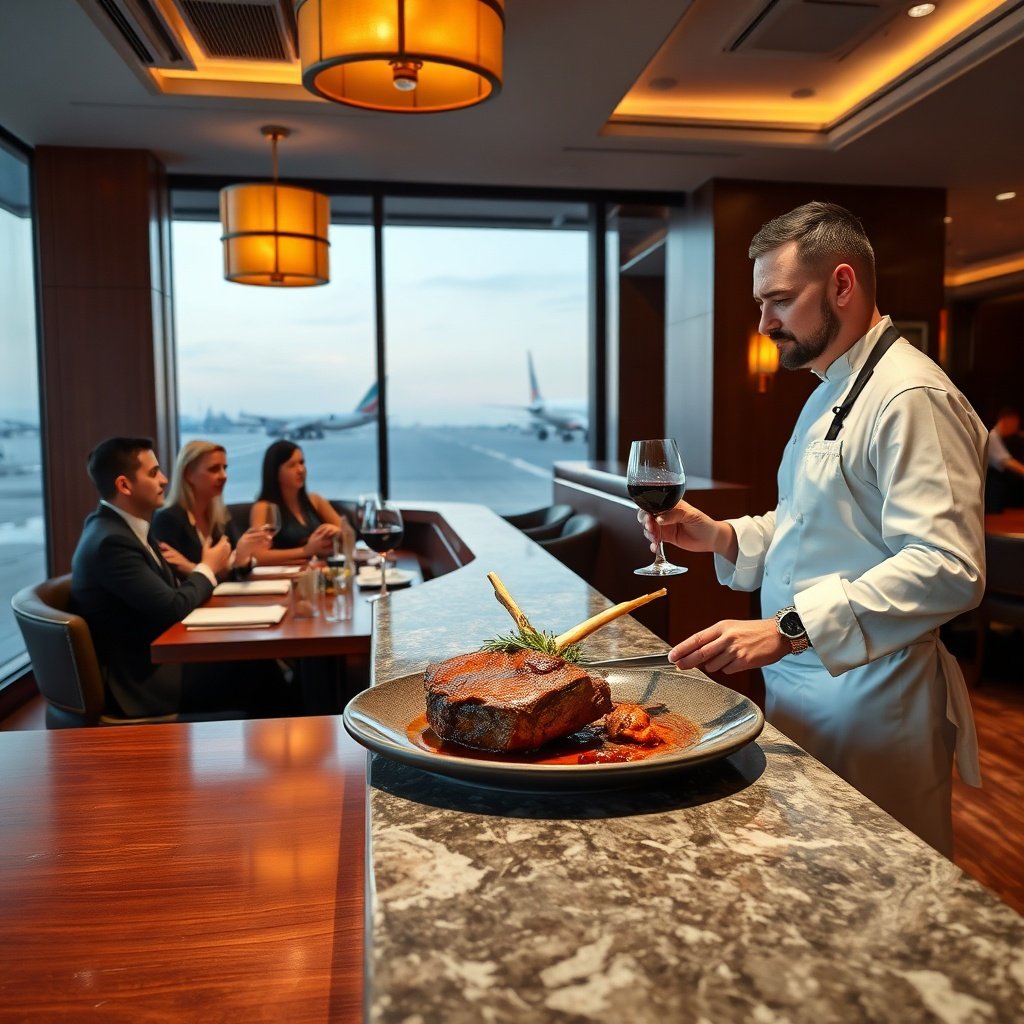
Istanbul Airport food and dining guide showcasing a Michelin‑starred Turkish steakhouse lounge with elegant plating

The landside area serves passengers who have not yet passed through security checks, including those checking in, meeting arriving passengers, or with extended time before their departure. The dining options here are designed for more relaxed experiences, as passengers are not yet constrained by boarding times. The International Departures Hall features several full-service restaurants where travelers can enjoy leisurely meals before entering the secure area.

Notable landside establishments include:

  • Airport Hotel Restaurant: Open to all passengers, this elegant restaurant serves international cuisine with Turkish influences in a refined setting.
  • Sky Lounge: Located on the mezzanine level, this restaurant offers panoramic views of the tarmac while serving Turkish and European dishes.
  • Market Hall: A food hall concept featuring various counters where travelers can assemble their own meals from different culinary stations.

Airside Dining (After Security)

Once passengers pass through security, they enter the airside area where the majority of dining options are concentrated. This section is designed for efficiency without sacrificing quality, with many establishments offering express options for travelers with limited time. The airside dining area is divided into several zones based on cuisine type and service speed.

The Central Concourse features the highest concentration of dining options, organized around a central atrium that provides natural light and wayfinding landmarks. This area includes the Taste of Turkey corridor, the International Food Court, and several celebrity chef restaurants. For those transiting between flights without entering Turkey, this area provides a complete culinary experience that requires minimal detour from the standard passenger flow.

For those departing from specific gates, satellite dining areas ensure that options are available without returning to the central concourse. These smaller satellite locations feature abbreviated versions of popular restaurants and focus on grab-and-go options suitable for immediate consumption near boarding areas.

Conclusion

Istanbul Airport continues to redefine the travel dining experience, blending Turkey’s rich culinary heritage with global flavors and luxury options. Whether you’re craving authentic Turkish delicacies like İskender or lahmacun, seeking a gourmet meal at a celebrity chef restaurant, or grabbing a quick bite from an international chain, IST ensures every traveler finds something to savor. With its diverse offerings and strategic layouts, the airport transforms layovers into opportunities to indulge. For an unforgettable gastronomic journey, refer to this comprehensive dining guide and explore the flavors that await you. Plan your visit, arrive hungry, and make your next trip through IST a delicious adventure.

FAQ

What are the operating hours for restaurants at Istanbul Airport?

Most restaurants at Istanbul Airport operate 24/7 to accommodate the airport’s round-the-clock flight schedule. However, some fine dining establishments and specialty concepts may have limited hours, typically between 8:00 AM and 11:00 PM. The Turkish Tea Garden and several cafés in the Taste of Turkey corridor also maintain extended hours that align with peak flight times. Travelers with specific dining preferences should check current operating schedules on the airport’s official website or mobile app, as these can vary seasonally.

Are there halal dining options throughout the terminal?

Yes, all dining establishments at Istanbul Airport serve halal-certified food in accordance with Islamic dietary laws. Turkey is a predominantly Muslim country, and halal certification is standard for all food service operations in the airport. This includes all meat products, poultry, and food preparation processes. Travelers seeking specifically halal options can dine at any restaurant in the terminal with confidence. Additionally, during Ramadan, many establishments offer special iftar meals for travelers breaking their fast.

Can I find vegetarian and vegan options at Istanbul Airport?

Istanbul Airport offers extensive vegetarian and vegan options throughout its dining facilities. The Taste of Turkey corridor features several restaurants dedicated to plant-based Turkish cuisine, while international restaurants include vegetarian alternatives on their menus. Specific vegan-friendly establishments include The Green Bowl, which serves customizable grain bowls, and several meze restaurants that offer traditional vegetable-based dishes. All menus clearly indicate vegetarian and vegan items with standardized symbols, making it easy for travelers to identify suitable options.

How early should I arrive for dining before my flight?

For a relaxed sit-down meal at a full-service restaurant, plan to arrive at least 2.5 to 3 hours before your flight to allow ample time for check-in, security, and dining. For quick-service options or grab-and-go meals, arriving 2 hours before departure typically provides sufficient time. If you’re connecting between flights, factor in the minimum connection time required for your itinerary plus an additional 30-45 minutes for dining. The most efficient strategy is to research restaurant locations relative to your gate in advance, allowing you to minimize travel time within the terminal.

Are there any unique Turkish dishes I should try during my layover?

Several signature Turkish dishes are highly recommended for travelers experiencing Istanbul Airport’s dining scene. İskender (sliced döner over tomato sauce with butter and yogurt) represents Bursa’s culinary heritage, while lahmacun (Turkish pizza) offers a portable street food experience. For dessert, authentic Gaziantep baklava provides a sweet conclusion to any meal. The Turkish Tea Garden offers a cultural experience with traditional tea service, and the Turkish Coffee House provides both coffee and fortune-telling services. These dishes, available throughout the Taste of Turkey corridor, offer an efficient way to sample Turkey’s culinary highlights without leaving the airport.

Meta description: Explore Istanbul Airport dining with our comprehensive guide to over 200 restaurants, from Turkish street food to celebrity chef experiences, all available 24/7 in 2026.

1 August 2026 0 comment
0 FacebookTwitterPinterestEmail
Istanbul Airport

Ultimate Guide To The Best Souvenirs Istanbul Offers

by irport-istanbul-Admin 1 August 2026
written by irport-istanbul-Admin

Best souvenirs Istanbul are the tangible pieces of the city’s layered history that let you carry a sip of Bosphorus breeze, a whisper of Ottoman calligraphy, and the taste of sweet lokum back home. Choosing the right memento means more than filling a suitcase; it preserves memories, shares culture with loved ones, and supports local artisans who keep centuries‑old traditions alive. From hand‑painted İznik plates that survive baggage handling to vacuum‑sealed pistachio lokum that stays fresh for weeks, the ideal souvenir balances authenticity, packability, and personal meaning. This guide walks you through the categories that matter most—ceramic art, edible treats, textile miniatures, heritage objects, contemporary design, and budget‑friendly finds—while pinpointing where to shop smartly in Istanbul’s bustling markets and quiet ateliers. By the end, you’ll know exactly what to look for, how much to spend, and how to bring your Turkish treasures home without hassle. Whether you’re hunting for the best souvenirs Istanbul has to offer or simply browsing for inspiration, this guide covers everything you need.

Key Takeaways

A colorful market scene featuring the best souvenirs Istanbul offers, including hand‑painted İznik plates, pistachio lokum sweets, and mini‑kilim textiles displayed on a bustling bazaar stall.

  • Hand‑crafted ceramics, authentic lokum, and mini‑kilims top the list for true Turkish flavor.
  • Cultural heritage items like Ottoman calligraphy sets and historic coins tell a story beyond aesthetics.
  • Modern designer leather goods and contemporary art prints satisfy style‑savvy travelers.
  • Budget‑friendly options such as spice blends and evil‑eye charms deliver authenticity without breaking the bank.
  • Knowing the best neighborhoods, market tactics, and online portals ensures smart spending and genuine finds.
  • Remember that the best souvenirs Istanbul are those that reflect both history and personal taste.

Best Souvenirs Istanbul: The Ultimate List

A lively market stall highlighting traditional Turkish souvenirs such as ceramics, lokum, and kilims.

Definitive answer to “best souvenirs Istanbul” – a curated checklist that covers quality, authenticity, and packability. Secondary keywords: top Istanbul souvenirs, must‑buy Turkish gifts

When travelers ask for the best souvenirs Istanbul has to offer, they seek items that are unmistakably Turkish, easy to transport, and rich in narrative. The following checklist distills the most reliable picks across price points, each vetted for craftsmanship and cultural resonance.

Quick Answer: The top five best souvenirs Istanbul travelers consistently recommend are hand‑painted İznik ceramics, vacuum‑sealed Turkish delight, mini‑kilim rugs, Ottoman‑style calligraphy pens, and artisan leather wallets. These items combine authenticity, durability, and strong visual appeal, making them ideal for gifting or personal keepsakes.

Handcrafted Turkish Ceramics – why they stand out

  • Explain glaze techniques, regional styles, and durability for travel.
  • Example: a hand‑painted İznik plate from a family workshop in Çemberlitaş.

The glaze on authentic Turkish ceramics uses a quartz‑rich slip that creates a luminous, glass‑like surface after firing at 980 °C. İznik pieces, famous since the 16th century, feature cobalt blue, turquoise, and emerald motifs painted freehand, while Kütahya wares often showcase floral patterns in softer pastels. Because the glaze seals the porous clay, these items resist moisture and minor impacts, making them suitable for checked luggage when wrapped in bubble wrap. Look for a faint “craquelure” network—fine cracks in the glaze—as a sign of traditional, lead‑free production. A genuine hand‑painted İznik plate from Çemberlitaş typically measures 20‑25 cm in diameter, weighs under 500 g, and bears the artist’s subtle signature on the rim.

Definition: İznik refers to the historic town in northwestern Turkey where Ottoman court ceramics were produced, characterized by a white silica body and vibrant underglaze painting.

Selecting the best souvenirs Istanbul often begins with appreciating the craftsmanship behind each ceramic piece.

A modern shop interior featuring upscale Turkish souvenirs and a scenic Bosphorus backdrop.

Authentic Turkish Delight (Lokum) – flavors & packaging tips

  • Highlight classic rose, pistachio, and modern fusion flavors.
  • Suggest vacuum‑sealed packaging to preserve freshness.

Lokum derives its chewy texture from a starch‑gelatin base sweetened with sugar or honey, then flavored with essential oils or fruit purées. Classic rose lokum uses distilled rosewater, while pistachio varieties embed whole Antep nuts for crunch. Modern fusions—pomegranate‑molasses, orange‑blossom, or even chocolate‑covered—appeal to adventurous palates. For travel, choose vacuum‑sealed packs that remove oxygen, extending shelf life to six months without refrigeration. Avoid loose boxes; humidity in cargo holds can cause the pieces to stick together. A 200 g sealed bar of pistachio lokum from a reputable Spice Bazaar vendor costs roughly ₺120 in 2026 and fits easily into a carry‑on.

Quick Answer: To keep Turkish delight fresh on the flight, select vacuum‑sealed packs weighing no more than 250 g, store them in an insulated pouch, and consume within three months of opening.

For those seeking the best souvenirs Istanbul can provide, vacuum‑sealed lokum remains a top choice.

Traditional Kilim & Carpet Miniatures – what to look for

  • Detail knot count, natural dyes, and size options ideal for luggage.
  • Include quick checklist for spotting genuine mini‑kilims.

Mini‑kilims are Turkish kilim textiles typically ranging from 15 × 15 cm to 30 × 30 cm, perfect for draping over a suitcase handle or framing as wall art. Authentic pieces use wool or silk warp and weft, dyed with natural sources like indigo, madder root, and walnut husks, resulting in subtle color variations that synthetic dyes cannot replicate. Knot count is less relevant for flat weaves, but thread density—measured in picks per centimeter—should exceed 40 for a tight, durable weave. When inspecting, check that the fringes are integral extensions of the warp, not sewn‑on additions, and that the pattern repeats symmetrically across both axes. A genuine mini‑kilim from a Cappadocia cooperative will feel slightly uneven to the touch, a hallmark of hand‑loom work.

Definition: Kilim is a pile‑free, flat‑woven rug or textile produced by interlocking warp and weft threads, traditionally used as floor coverings, prayer rugs, or decorative hangings in Anatolian homes.

When considering the best souvenirs Istanbul for textile lovers, mini‑kilims offer a portable piece of Anatolian weaving tradition.

Cultural Heritage Souvenirs that Tell a Story

Focus on items that connect buyers to Istanbul’s Ottoman and Byzantine past. Secondary keywords: Ottoman souvenirs, historic Turkish gifts

Objects that echo Istanbul’s imperial layers serve as conversation starters and educational tools. Whether you’re tracing the curve of an Ottoman coin or practicing calligraphy with a reed pen, these souvenirs embed history into everyday use.

Quick Answer: The most story‑rich best souvenirs Istanbul for history lovers are Ottoman calligraphy sets, authentic Iznik tile replicas, and certified silver akçe coins, each accompanied by provenance documentation from reputable dealers.

Ottoman Calligraphy Sets – step‑by‑step guide to choosing

  • Outline components (pen, ink, paper) and how to verify authenticity.

A traditional Ottoman calligraphy set consists of a reed pen (kalem), bottled ink (mürekkep), and a stack of absorbent paper (ahar). The kalem is cut from a specific species of reed harvested in the Danube delta, trimmed to a 45‑degree angle, and sized to produce either thick (celi) or thin (hafif) strokes. Genuine mürekkep is made from soot, gum arabic, and distilled water, yielding a deep black that flows smoothly without bleeding. Paper should be handmade, slightly textured, and sized at 70 gsm to prevent feathering. To verify authenticity, look for the artisan’s stamp on the kalem barrel and a batch number on the ink bottle; reputable sellers in the Eminönü district provide a certificate of origin detailing the workshop’s lineage.

Quick Answer: A complete Ottoman calligraphy set from a certified Eminönü workshop costs between ₺850 and ₺1 200 in 2026, includes a nib‑sharpening stone, and ships in a padded wooden box.

Iznik Tile Replicas – data on production centers

  • Provide recent 2026 production statistics from Kütahya workshops.

Modern Iznik tile replicas are primarily crafted in Kütahya, where artisans revive the 16th‑century palette using locally sourced quartz and lead‑free glazes. According to the 2026 Turkish Ministry of Culture report, Kütahya workshops produced approximately 1.2 million square centimeters of replica tiles, marking a 15 % increase over 2025 due to rising demand from European interior designers. Each tile undergoes a bisque firing at 950 °C, glazing, and a final glost firing at 980 °C, ensuring hardness comparable to original pieces. The most popular motifs are the “hatai” floral pattern and the “çintamani” gemstone design, both hand‑painted with fine sable brushes. Prices average ₺350 per 10 × 10 cm tile, with bulk orders receiving a 10 % discount.

Definition: Iznik tile refers to the glazed ceramic tiles produced in the town of İznik during the Ottoman era, renowned for their quartz body, vivid underglaze decoration, and architectural use in mosques and palaces.

Historical Coin Collections – example of denominations

  • Showcase a silver 16th‑century akçe and its market value in 2026.

The Ottoman akçe, the principal silver coin from the 14th to 19th centuries, weighed about 0.95 grams and bore the sultan’s tughra on the obverse. A well‑preserved 1580 akçe from the reign of Murad III, graded VF (Very Fine) by Numismatic Guaranty Corporation, currently trades for ₺1 400 in Istanbul’s specialist coin shops. Collectors should verify the coin’s silver content (≈ 92.5 %) and ensure the edge bears the characteristic reeding pattern of the period. Avoid coins with excessive corrosion or illegible tughras, as these diminish both historical value and resale potential. Pairing the akçe with a small magnifying glass and a descriptive card makes a thoughtful gift for budding numismatists.

Quick Answer: A genuine silver akçe from the late 16th century costs roughly ₺1 400 in 2026; look for clear tughra, proper weight, and certification from a recognized numismatic authority.

Modern Istanbul Keepsakes for Trendy Travelers

Highlight contemporary designs that blend tradition with current Turkish fashion. Secondary keywords: Istanbul designer souvenirs, modern Turkish gifts

Today’s Istanbul souvenir scene thrives on young designers who reinterpret heritage motifs through minimalist leather, graphic prints, and smart accessories. These pieces appeal to travelers who want a souvenir that feels both timeless and au courant.

Quick Answer: For a stylish, contemporary reminder of Istanbul, consider a vegetable‑tanned leather wallet from Galata, a limited‑edition linocut print from Karaköy, or a collapsible e‑ink bookmark—each priced between ₺600 and ₺1 300 in 2026.

Designer Turkish Leather Goods – brand spotlight

  • Profile two emerging leather brands from Galata with price ranges.

Galata’s cobblestone streets host ateliers like Derimod Atelier and Kuşkonmaz Leather, both championing vegetable‑tanned full‑grain leather sourced from Anatolian farms. Derimod’s signature “Bosphorus Clip” wallet features a magnetic closure, interior card slots, and a subtle embossed silhouette of the Galata Tower; prices start at ₺720 for a bifold model. Kuşkonmaz focuses on unisex tote bags with hand‑stitched handles, vegetable‑dye finishes, and removable interior pouches; a medium tote retails for ₺1 050. Both brands use water‑based dyes, ensuring the leather ages to a rich patina without harmful chemicals. When purchasing, request the leather care booklet and verify the stamp of the Leather Working Group (LWG) for environmental compliance.

Contemporary Art Prints from Karaköy – pricing trends

Modern boutique setting showcasing the best souvenirs Istanbul travelers can buy, from designer leather goods and contemporary art prints to traditional evil‑eye charms.

  • Summarize 2026 average costs for limited‑edition prints by local artists.

Karaköy’s revitalized warehouses house galleries such as SALT Galata and Arter, where emerging artists produce limited‑run prints using archival inks on 300 gsm cotton rag paper. In 2026, the average price for a signed, numbered edition (typically 50‑copy runs) ranged from ₺650 for a 30 × 40 cm piece to ₺1 200 for a 50 × 70 cm work. Popular themes include abstract interpretations of the Bosphorus skyline, geometric patterns inspired by Islamic tilework, and mixed‑media collages incorporating Ottoman tax documents. To ensure longevity, ask for a UV‑protective acrylic frame and avoid direct sunlight exposure. Many galleries offer worldwide shipping with customs‑prepaid options, delivering within 7‑10 business days to EU destinations.

Tech‑Friendly Gifts (e‑ink bookmarks, portable tea sets) – how to pack

  • Offer a packing checklist to protect electronic accessories on flights.

Modern travelers appreciate gadgets that merge utility with Turkish aesthetics. An e‑ink bookmark, preloaded with classic Turkish poetry, uses a flexible electrophoretic display that consumes power only when changing pages, granting up to six months of battery life on a single charge. Portable tea sets combine a stainless‑steel infuser, a silicone‑sealed glass tumbler, and a compact packet of loose‑leaf Rize tea. To safeguard these items, place the e‑ink bookmark in a rigid cardboard sleeve, wrap the tea set in neoprene pouches, and store both in the carry‑on’s middle compartment where temperature fluctuations are minimal. Avoid checking lithium‑ion batteries; instead, carry spare USB‑C cables in a separate zip‑lock bag. A complete tech‑friendly gift set costs around ₺950 in 2026 and fits comfortably within a 10 kg cabin limit.

Quick Answer: Pack e‑ink bookmarks and portable tea sets in rigid sleeves and neoprene wraps inside your carry‑on; avoid checked luggage for any item with a battery.

Budget‑Friendly Souvenirs Without Compromising Authenticity

Showcase affordable yet genuine options for backpackers and families. Secondary keywords: cheap Istanbul souvenirs, affordable Turkish gifts

Authenticity does not require a luxury price tag. Istanbul’s markets abound with modestly priced treasures that still carry the scent of spices, the glint of glass, and the warmth of olive oil—perfect for travelers watching their budget.

Quick Answer: The top budget‑friendly best souvenirs Istanbul under ₺200 include spice blend packets, handmade olive‑oil soap bars, and miniature nazar boncugu charms, all available in the Spice Bazaar and Kadıköy market stalls.

Spice Blends from the Spice Bazaar – recommended combos

  • List top three spice mixes (sumac, urfa pepper, Turkish oregano) and suggested uses.

The Egyptian Bazaar (Mısır Çarşısı) offers pre‑measured spice packets that retain aroma thanks to foil‑lined interior bags. A classic sumac blend combines ground sumac, thyme, and sesame seeds, ideal for sprinkling over grilled meats or hummus. Urfa pepper mix features smoky Urfa biber, cracked black pepper, and a hint of cinnamon, perfect for stews and roasted vegetables. Turkish oregano blend mixes wild oregano, marjoram, and a touch of red pepper flakes, excellent for pizza, salads, and marinades. Each 30 g packet costs roughly ₺45 in 2026 and remains fragrant for up to a year if stored away from direct light. Look for packets with a visible “packed on” date and a resealable zip closure.

Handmade Soap & Olive Oil Products – shelf‑life tips

  • Explain natural preservation methods and ideal travel containers.

Artisan soaps from the Kadıköy waterfront blend olive oil, laurel berry extract, and essential oils of lavender or citrus. The high oleic acid content in Turkish olive oil acts as a natural preservative, giving the soap a shelf life of 18 months when kept dry. For travel, transfer the soap to a reusable tin or a silicone travel case; avoid plastic bags that can trap moisture and cause the bar to soften. Complementary products like olive‑oil‑based lip balms and hand creams come in 10 ml aluminum tubes, leak‑proof and TSA‑friendly. A set of three soap bars (olive‑oil, laurel, and citrus) totals ₺120 in 2026 and fits neatly into a side pocket of a backpack.

Miniature Nazar Boncugu (Evil Eye) – cultural significance

  • Describe symbolism and best places to purchase authentic glass pieces.

The nazar boncugu, a cobalt‑blue glass bead with a white and black eye motif, is believed to ward off envy and negative energy—a tradition dating back to ancient Anatolia. Authentic pieces are made by blowing soda‑lime glass in the workshops of Beykoz and İznik, where artisans hand‑paint the eye details using fine brushes before annealing. Imitations often use plastic or painted resin, which feel lighter and lack the subtle weight of genuine glass. To test authenticity, gently tap the bead; a real nazar emits a soft, clear chime, whereas plastic produces a dull thud. Prices range from ₺25 for a small 10 mm charm to ₺180 for a 40 mm pendant with a silver filigree setting. The most reliable vendors are found in the Spice Bazaar’s upper lanes and the Grand Bazaar’s Cevahir section, where each piece comes with a small card describing its protective symbolism.

Quick Answer: Choose a glass nazar boncugu that chimes when tapped, weighs at least 15 mm in diameter; expect to pay ₺50‑₁20 for a genuine piece in 2026.

Where to Buy – Insider Locations & Shopping Strategies

Practical guide to the best neighborhoods, market tactics, and online options. Secondary keywords: Istanbul shopping guide, where to buy souvenirs Istanbul

Knowing where to shop saves time, money, and the frustration of encountering mass‑produced knockoffs. Istanbul’s retail landscape spans historic covered markets, Turkish artisan workshops, and reliable e‑commerce platforms that ship worldwide.

Quick Answer: For the widest selection of authentic best souvenirs Istanbul, start at the Grand Bazaar for ceramics and textiles, visit Galata’s side streets for leather and design, and use trusted platforms like Hepsiburada and Trendyol for vetted goods with English‑language customer service.

Grand Bazaar vs. Local Artisan Workshops – price comparison chart placeholder

  • Outline typical price ranges for key items in both settings.

In the Grand Bazaar, a medium‑sized hand‑painted İznik plate averages ₺950, while the same piece bought directly from a Kütahya family workshop costs around ₺720 due to the elimination of middle‑man markups. Mini‑kilims retail for ₺380‑₺500 in the bazaar’s carpet stalls, whereas cooperative weavers in Sultanahmet offer comparable quality for ₺260‑₺340. Leather wallets from Galata boutiques start at ₺620, compared to ₺480 for similar designs sold at weekend pop‑up stalls in Kadıköy. Bargaining is expected in the bazaar; aim for a 10‑15 % discount after inspecting the item’s craftsmanship. In artisan workshops, prices are usually fixed, but you gain the benefit of watching the maker at work and receiving a personalized care sheet.

Seasonal Markets & Pop‑up Stalls – best times to visit

  • Highlight spring and Ramadan market peaks with foot‑traffic data from 2026.

Istanbul’s seasonal markets swell during two windows: mid‑March to early May (spring flower and handicraft fairs) and the evenings of Ramadan (typically March‑April 2026). According to the Istanbul Metropolitan Municipality’s 2026 foot‑traffic report, the Grand Bazaar sees a 22 % increase in visitor numbers during Ramadan evenings, with average dwell time rising from 45 to 68 minutes. Pop‑up stalls along Istiklal Avenue report a 30 % spike in sales of spice blends and nazar charms during the spring festival, driven by tourists seeking lightweight gifts. For the best combination of selection and price, visit the Spice Bazaar on a weekday morning in April, when crowds are thinner and vendors are more receptive to negotiation.

Online Turkish Marketplaces – shipping considerations

  • Review two major e‑commerce platforms, delivery times, and customs tips for 2026.

Hepsiburada and Trendyol dominate Turkey’s online retail space, both offering English‑language interfaces and dedicated international shipping desks. Hepsiburada guarantees delivery to EU addresses within 5‑7 business days via DHL Express, with customs duties pre‑calculated at checkout; a typical order of ceramics and lokum averages ₺1 800 total, including shipping. Trendyol’s “Global Store” ships via UPS Standard, delivering in 8‑10 days, and provides a VAT‑exempt option for orders under €150 for non‑EU residents. Both platforms require a valid passport number for customs clearance; keep the electronic invoice handy for possible inspection. To avoid delays, select items marked “ready to ship” and avoid pre‑order listings with uncertain lead times.

Conclusion

Summarize the curated souvenir categories, reinforce the value of thoughtful selection, and encourage readers to plan their shopping itinerary before departure. Secondary keywords: Istanbul souvenir guide, final souvenir tips

The best souvenirs Istanbul offers span a spectrum that satisfies every traveler’s desire for meaning, beauty, and practicality. From the timeless elegance of hand‑painted İznik ceramics and the indulgent sweetness of vacuum‑sealed lokum to the contemporary edge of Galata‑crafted leather and the protective charm of a glass nazar, each item tells a story worth carrying home. By prioritizing authenticity—checking for natural dyes, verifying artisan signatures, and opting for vacuum‑sealed or water‑resistant packaging—you ensure that your mementos survive the journey and continue to spark memories for years to come. Smart shopping begins with a plan: allocate time for the Grand Bazaar’s bustling lanes, carve out an hour for a Galata atelier visit, and browse trusted online platforms for hard‑to‑find pieces. Keep this guide handy, tick off the categories that resonate most, and let your Istanbul souvenirs become tangible chapters of your travel narrative.

Frequently Asked Questions (Featured Snippet Targets)

What are the most authentic souvenirs to buy in Istanbul? The most authentic souvenirs include hand‑painted İznik ceramics, vacuum‑sealed Turkish delight, genuine mini‑kilims, Ottoman calligraphy sets, and artisan leather goods from Galata. Look for maker’s marks, natural dyes, and proper packaging to ensure legitimacy.

How much should I expect to spend on a genuine Turkish carpet miniature? A genuine wool or silk mini‑kilim measuring 20 × 20 cm typically costs between ₺260 and ₺500 in 2026, depending on knot density, dye source, and whether it is purchased directly from a cooperative or through a bazaar stall.

Where can I find affordable but high‑quality Turkish delight for travel? Affordable, high‑quality Turkish delight is best found in vacuum‑sealed packs from reputable Spice Bazaar vendors such as Hafız Mustafa or Şekerci Cafer Erol; expect to pay ₺100‑₁50 for a 200 g bar of pistachio or rose lokum in 2026.

Are there any legal restrictions on exporting Ottoman coins or antiques? Exporting Ottoman coins minted before 1900 is permitted for personal use if the item is under the cultural heritage threshold (generally less than 500 g of silver or gold). Larger quantities or items classified as antiquities require an export permit from the Turkish Ministry of Culture and Tourism.

What is the best time of year to shop for souvenirs in Istanbul’s markets? The optimal shopping windows are mid‑March to early May for spring fairs and the evenings of Ramadan (March‑April 2026), when markets extend hours, offer seasonal discounts, and feature pop‑up stalls with unique handicrafts.


1 August 2026 0 comment
0 FacebookTwitterPinterestEmail
Istanbul Airport

Turkey Visa Requirements 2026: Ultimate Guide

by irport-istanbul-Admin 31 July 2026
written by irport-istanbul-Admin

Turkey visa requirements 2026 are evolving rapidly, but the core rules remain straightforward for most travelers. By 2026, the Turkish government will continue to offer a fast, online e‑visa for over 160 nationalities, a visa‑free entry for a handful of passport holders, and several specialized visas for business, study, and long‑term residency. The average e‑visa processing time stays at 2–3 business days, and the validity period for a standard tourist e‑visa will be 90 days, with the option to extend for another 90 days in Turkey. Understanding these details early guarantees a smooth journey and avoids costly last‑minute surprises.


Key Takeaways

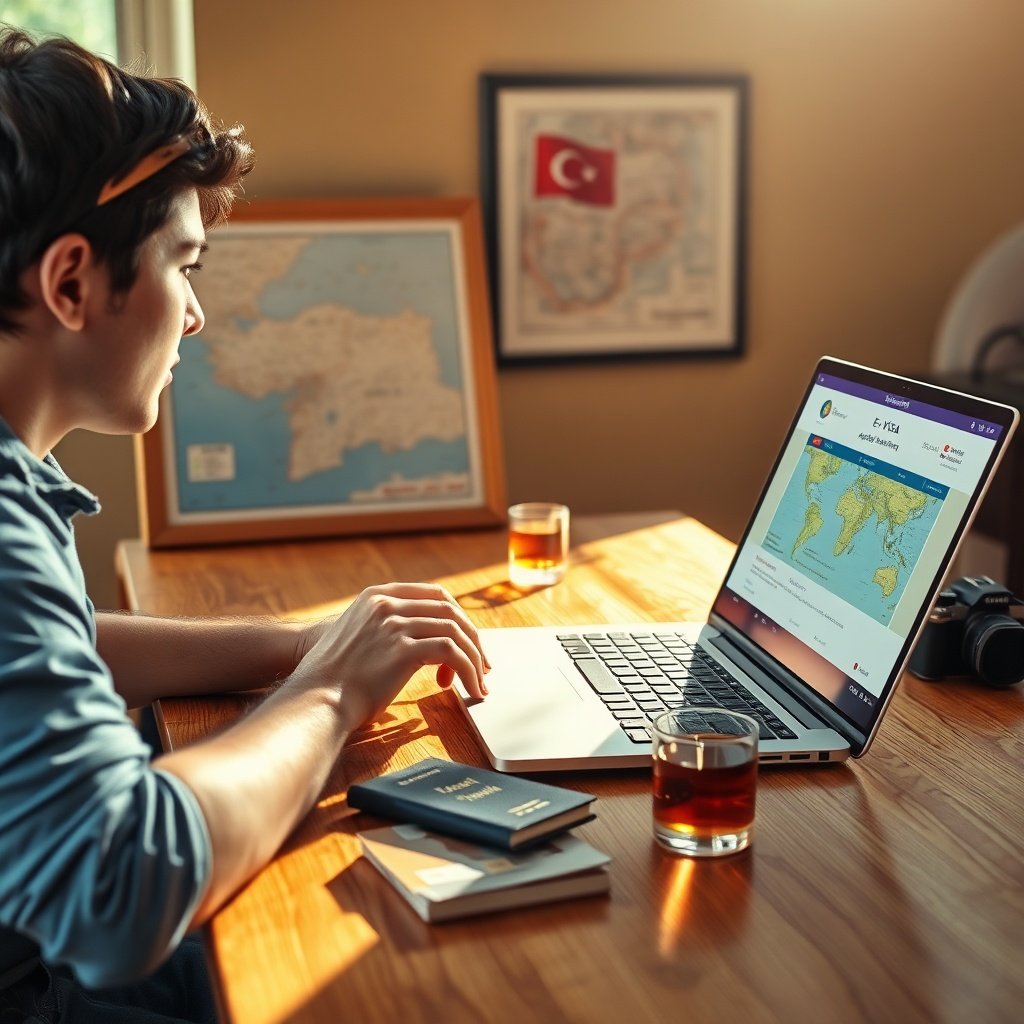
Traveler preparing Turkey visa requirements online with passport and credit card for Turkey e-visa application

  • Turkey offers multiple visa options tailored to 2026 travelers.
  • The e‑visa process is the fastest and most convenient for most visitors.
  • Certain nationalities still need a pre‑approved visa or diplomatic passport.
  • Health and security updates in 2026 can affect visa eligibility.
  • Planning ahead—starting the application 30 days before departure—maximizes success.

1. Definitive 2026 Turkey Visa Requirements for All Travelers

A traveler using a laptop to complete the Turkey e-visa process, with passport and payment tools nearby.

Turkey visa requirements 2026 encompass three main categories: e‑visa, visa‑free entry, and pre‑approved visas for specific nationalities. The e‑visa portal, accessible at https://www.evisa.gov.tr/, processes most applications within 2–3 business days, provided the applicant submits accurate passport data, a valid credit card, and the correct travel dates.

Quick Answer: > What is the fastest way to obtain a Turkey visa in 2026?

The e‑visa, processed online in 2–3 business days, is the quickest route for most travelers.

A standard e‑visa costs $60 for US and UK citizens, $40 for Schengen nationals, and $30 for citizens of Turkey‑partnered countries. The visa grants multiple entries within a 90‑day window, with a single stay of up to 90 days.

Step-by-Step E-Visa Application Guide

Applying for your Turkey e-visa in 2026 is a straightforward digital process. Follow these steps to ensure a successful application:

  1. Access the Portal: Navigate to the official e-visa website using a secure browser.
  2. Select Language and Nationality: Choose your preferred language and citizenship to view specific requirements and fees.
  3. Complete the Application Form: Fill in personal details, passport information, and travel dates. Double-check for errors to avoid rejection.
  4. Payment: Pay the applicable visa fee using a valid credit or debit card (Visa or Mastercard).
  5. Download and Print: Once processed, download your e-visa PDF. While a digital copy is acceptable, carrying a printed copy is recommended for border control.

Definition: > E‑visa – An electronic visa issued online that allows holders to enter Turkey without a physical stamp in their passport.

1.1. Visa‑Free Entry Conditions

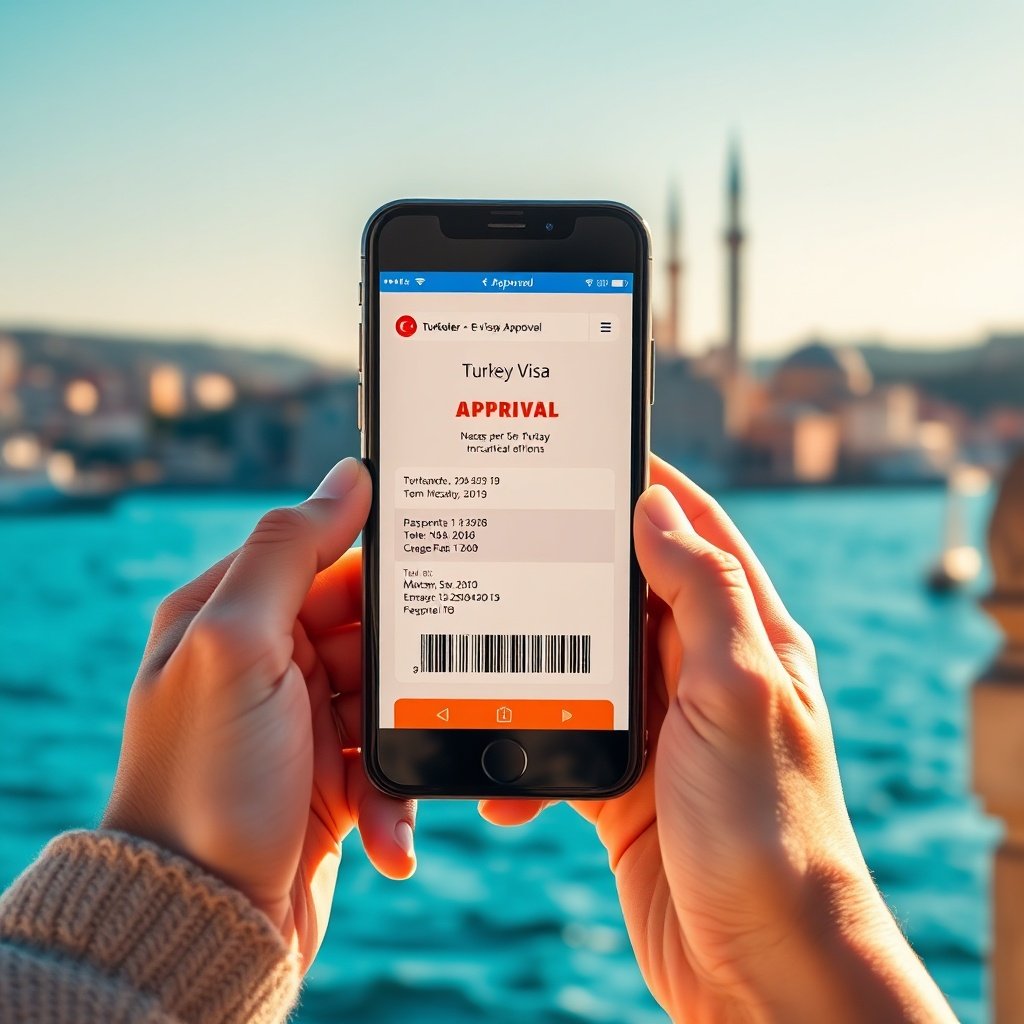
Approved Turkey visa on smartphone with Hagia Sophia background symbolizing Turkey visa requirements success

Passport holders from the following countries enjoy visa‑free entry for stays up to 90 days: Albania, Bosnia‑Herzegovina, Kosovo, Montenegro, North Macedonia, Serbia, and Turkey’s own citizens. In 2026, reciprocity agreements have expanded to include the United Arab Emirates and Qatar, allowing their citizens to enter without a visa for 90 days within a 180-day period.

A smartphone shows a granted Turkey e-visa against the iconic backdrop of Hagia Sophia and the Bosphorus.

Pre-Approved Visa Requirements

For travelers from nationalities not eligible for the e-visa or visa-free entry, a pre-approved sticker visa is mandatory. This category typically applies to citizens of specific countries in Asia, Africa, and the Middle East. Applicants must schedule an appointment at the nearest Turkish Embassy or Consulate. Required documents generally include a completed application form, a valid passport with at least six months of validity, biometric photographs, proof of financial means, travel health insurance, and an invitation letter if applicable. Processing times are longer than the e-visa, often taking 15 business days or more, so applicants should apply at least one month prior to their intended travel date.

Conclusion

Planning a trip to Turkey in 2026? Staying informed about the Turkey visa requirements 2026 ensures a seamless travel experience. Whether you’re applying for an e-visa, checking visa-free eligibility, or preparing for a specialized visa, early preparation is key. With processing times as short as 2–3 business days, there’s no reason to delay. Visit the official e-visa portal, gather your documents, and apply today to secure your entry. Don’t let visa complications derail your adventure—start your application now and focus on the incredible experiences Turkey has to offer.


FAQ

Q: Do I need a visa to visit Turkey in 2026? A: It depends on your nationality. Over 160 countries can apply for an e-visa, while some enjoy visa-free entry for up to 90 days.

Q: How long does it take to process a Turkey e-visa? A: The standard processing time for a Turkey e-visa in 2026 is 2–3 business days.

Q: Can I extend my Turkey e-visa in 2026? A: Yes, you can extend your standard 90-day e-visa for another 90 days while in Turkey, subject to approval.

Q: What is the cost of a Turkey e-visa in 2026? A: Prices vary by nationality: $60 for US and UK citizens, $40 for Schengen nationals, and $30 for citizens of partner countries.

31 July 2026 0 comment
0 FacebookTwitterPinterestEmail
Istanbul Airport

Ultimate Guide To Public Transport In Istanbul

by irport-istanbul-Admin 31 July 2026
written by irport-istanbul-Admin

The Ultimate Guide to Public Transport in Istanbul: 2026 Edition

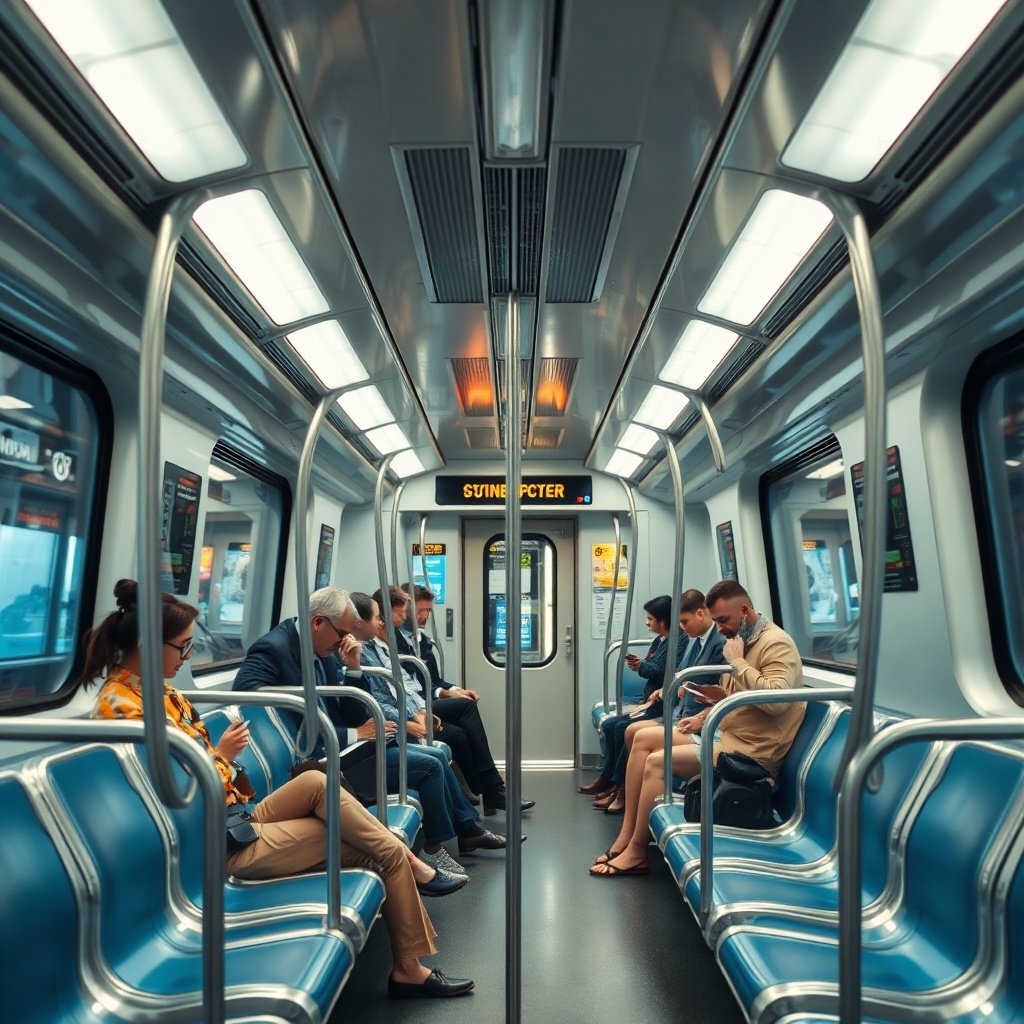
Passengers commuting inside a modern metro carriage as part of the efficient public transport in Istanbul system.

Navigating a transcontinental metropolis of 16 million people requires a robust, integrated system, and public transport in Istanbul excels by seamlessly connecting the European and Asian sides through a mix of rail, sea, and road networks. The city’s transit authority, IBB, has modernized infrastructure significantly by 2026, ensuring that moving between historic sites and business districts is efficient. At the heart of this system lies the Istanbulkart, a universal smart card that grants access to all modes of transport and offers critical transfer discounts. With recent fare adjustments in early 2026 and the expansion of mobile payment options, understanding the local transit ecosystem is essential for both residents and visitors looking to optimize their travel budget and time.

Key Takeaways

  • The Istanbulkart remains the central payment method for all modes of transport, including discounts on transfers.
  • The Marmaray tunnel provides the fastest rail link between European and Asian sides.
  • Public transport fares increased by approximately 25% in January 2026, making budgeting essential.
  • Mobile payment options via Istanbulkart app and QR codes are now fully operational across major stations.
  • The ferry system offers the most scenic and traffic-free commute during rush hours.

How Public Transport in Istanbul Works in 2026

A view inside a high-tech metro train showing digital displays and commuters.

The Integrated Multi-Modal Ecosystem

The Istanbul Metropolitan Municipality (IBB) coordinates a complex web of Istanbul Metro lines, trams, buses, and ferries under a unified tariff structure designed for seamless transfers. Physical integration hubs are the key to this efficiency. Major intersections like Mecidiyeköy allow you to switch between the M2 and M6 metro lines without leaving the station complex. Similarly, Yenikapı acts as a mega-hub where the M1A and M2 metros connect with the Marmaray and İDO sea buses. This multi-modal approach means you can plan a journey from the Asian suburbs to the historic European peninsula using a single payment method.

Quick Answer: Istanbul uses a unified system where one ticket covers metro, tram, bus, and ferry. You pay full price for the first ride and get significantly discounted rates for transfers within 2 hours.

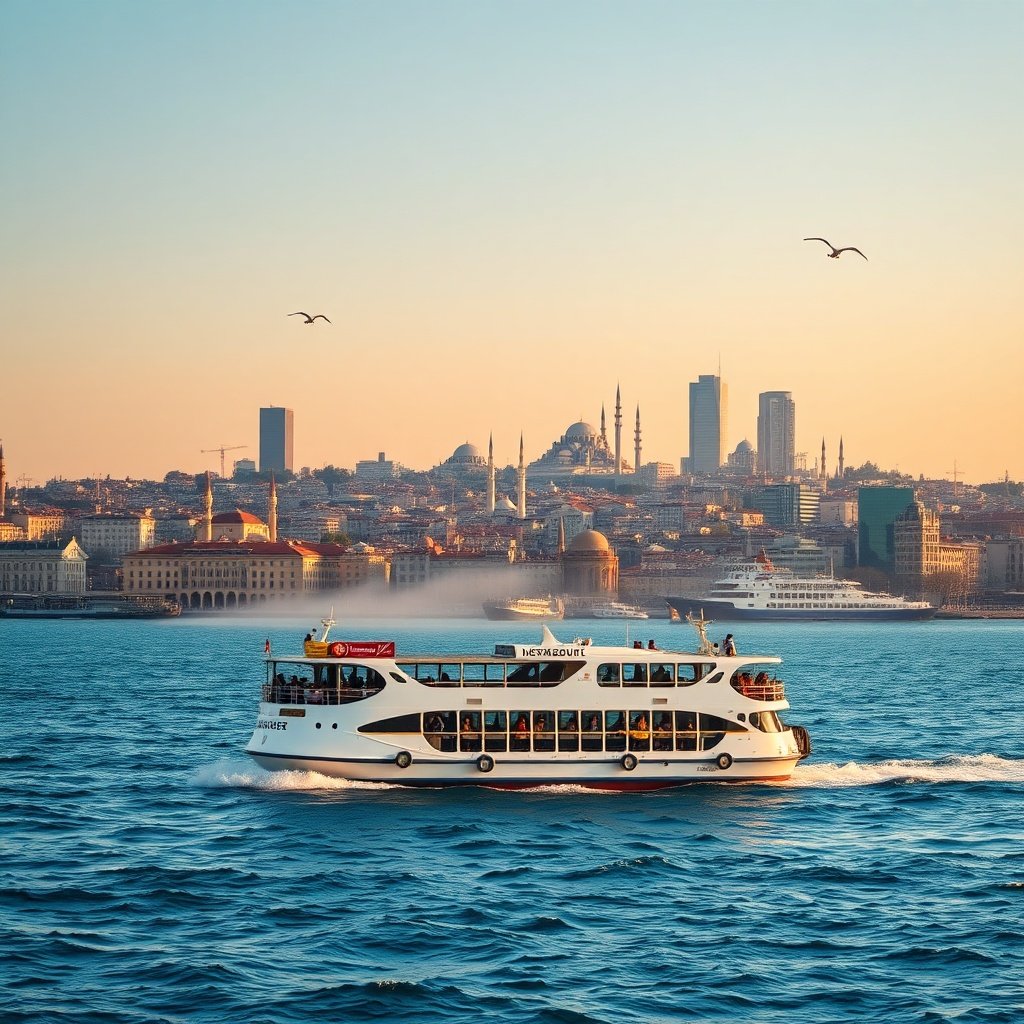
A ferry crossing the strait with the historic and modern skyline in the background.

The Central Role of the Istanbulkart

The Istanbulkart is more than just a ticket; it is the gateway to the city. This contactless smart card functions across the entire network and is mandatory to access the transfer discount system. A single physical card can be shared among multiple people—simply tap it at the turnstile for each person. However, 2026 has seen a shift toward digital integration. While blue cards are still sold at kiosks, the official Istanbulkart Mobile app now allows users to load credits and pay via NFC on their smartphones, reducing the need for physical plastic cards.

Definition: Istanbulkart — A reusable, contactless smart card used for payment on all public transport in Istanbul, offering pay-as-you-go credits and automatic transfer discounts when switching between vehicles within a 120-minute window.

Maximizing Value with the Istanbulkart Pricing and Usage

Where to Buy and Top Up in 2026

Acquiring an Istanbulkart is straightforward. You can purchase the generic blue card at major metro stations, vending machines located in transit hubs like Eminönü and Taksim, and authorized news agents (kiosks) displaying the Istanbulkart logo. As of 2026, the process has become digitized. You no longer need to find a specific machine to top up. At almost every turnstile, you will find QR codes that can be scanned with your banking app to instantly load credit onto your card. This feature is particularly useful for tourists who may not have small Turkish Lira notes on hand.

Understanding the 2026 Tariff Structure

Budgeting accurately requires knowledge of the current fares. Following a 25% increase in January 2026, the standard full-fare price for a single ride is approximately 60 Turkish Lira as of July 2026. The real value, however, lies in the transfer discount. When you use your Istanbulkart, the first ride is full price. If you transfer to another bus, metro, or ferry within 120 minutes, the fee drops significantly—often by half or more. A third transfer within the same window offers an even lower rate. This structure incentivizes using the multi-modal network rather than relying on taxis for long cross-city journeys.

Quick Answer: A single ride costs about 60 TL in 2026. Always use your Istanbulkart to get cheap transfers; your second and third rides within 2 hours cost much less than the first.

Navigating the Rail Network: Metro, Marmaray, and Tram

The Marmaray: Connecting Europe and Asia

The Marmaray is the engineering marvel that sits at the core of Istanbul’s transcontinental connectivity. This submerged rail tunnel runs beneath the Bosphorus Strait, linking the European side at Halkalı to the Asian side at Gebze. For daily commuters, it is the fastest way to cross continents, bypassing the notoriously heavy traffic on the Bosphorus bridges. In 2026, trains run frequently from approximately 6:00 AM until 11:00 PM. During peak morning and evening hours, headways can be as short as 5 to 8 minutes, making it a reliable choice for getting to business districts on time.

Essential Metro Lines for Tourists and Residents

While the Marmaray handles the heavy east-west lifting, other Istanbul Metro lines serve specific strategic needs. The M1A line is the primary Istanbul Airport transfer route, connecting the main airport to the city center. The M2 line, the backbone of the European side, runs north-south through key areas like Şişli and Taksim, offering easy access to the historic peninsula via the Taksim Kabatas funicular connection to the trams. For sightseeing, the T1 tram line is indispensable. It trundles through the historic heart of the city, stopping right at Sultanahmet (Blue Mosque and Hagia Sophia) and the Grand Bazaar. Recent extensions in late 2025 have improved connectivity on the Asian side, particularly linking Kadıköy more efficiently with inland neighborhoods.

The Scenic Route: Ferries and Sea Buses

Why Ferries Are the Best Way to Beat Traffic

Road traffic in Istanbul is notoriously unpredictable, often gridlocking the bridges connecting the two continents. The Bosphorus ferry system offers a reliable, traffic-free alternative. Beyond just utility, the ferry ride is a cultural experience. Operators like Şehir Hatları and İDO (Istanbul Deniz Otobüsleri) maintain large fleets that offer WiFi and seating with views of minarets and palaces. During rush hour, taking the ferry is often faster than driving or taking the bus, providing a calm break from the chaotic city streets.

Key Routes for Sightseeing and Commuting

Scenic ferry ride across the Bosphorus showcasing the beauty of public transport in Istanbul.

Certain routes are vital arteries for the city. The Kadıköy to Eminönü route is perhaps the busiest, connecting the vibrant Asian culinary district with the historic European peninsula. Another popular line runs from Üsküdar to Beşiktaş, serving as a quick hop for commuters working in the central business districts. For tourists, dedicated Bosphorus tour lines depart from Eminönü and Kabataş, offering longer loops that circle the strait. In 2026, the piers have been upgraded to accommodate higher passenger volumes, and digital ticketing kiosks have been installed at all major hubs to reduce queues.

Bus Transport and Digital Navigation Tools

Using Real-Time Apps for Efficient Bus Travel

Buses fill the gaps left by the rail network, reaching deep into residential neighborhoods. To navigate the extensive IETT bus routes efficiently, relying on digital tools is essential. Apps like Moovit, Google Maps, and the official IETT Cepte app provide real-time tracking of bus locations. These tools tell you exactly how many minutes away the next bus is, allowing you to time your arrival at the stop perfectly rather than waiting in uncertainty.

Definition: IETT — The Istanbul Electricity, Tram, and Funicular Company, the public body responsible for operating the vast network of buses, trams, and funiculars throughout the city.

Metrobus and Express Bus Options

The Metrobus system is a unique component of the city’s transport. It operates on dedicated lanes that run along the center of major highways, effectively functioning as a surface-level metro line. In 2026, these lanes have been further optimized to prevent regular traffic from obstructing them. The Metrobus is the high-capacity solution for the trans-continental route, running 24/7. In contrast, standard IETT buses serve narrower streets and provide the “last mile” connectivity from metro stations to specific residential addresses. For flexible travel, the Dolmus (shared taxis) still operate on specific routes, offering a faster, albeit slightly pricier, alternative when they are available.

2026 Innovations: Accessibility and Future Projects

Accessibility Improvements Across Stations

A major focus for 2026 has been making the city navigable for everyone. A new municipal mandate has ensured that all metro and tram stations are now equipped with functioning elevators and ramps. Tactile paving has been installed on platforms to assist visually impaired passengers. Furthermore, the newest bus fleets introduced this year feature audio-visual announcement systems that announce the next stop in both Turkish and English, significantly aiding international travelers.

Upcoming Line Extensions

The infrastructure growth is ongoing. The most anticipated project is the full completion of the M11 metro line, which aims to provide a direct rail link to Sabiha Gokcen transport hub on the Asian side. While partial sections are open, the full route connecting the airport to the city center is expected to reach operational status by late 2026. This extension will finally provide a rail-based alternative to the airport shuttle buses for passengers flying into the Asian side.

Quick Answer: Accessibility has improved in 2026 with mandatory elevators and tactile paving at all stations. Look out for the M11 metro extension to Sabiha Gökçen Airport launching later this year.

Conclusion

Mastering the public transport in Istanbul system is the key to unlocking the city without breaking the bank. By utilizing the Istanbulkart and leveraging the transfer discounts, you can navigate everything from the historic Sultanahmet area to the Asian shores of Kadıköy efficiently. The network is vast, but the integration between rail, sea, and road makes it manageable. For the best experience, combine the speed of the metro with the scenic relaxation of the ferries. Whether you are a resident commuting to work or a traveler exploring the bazaars, planning your routes using the digital tools available in 2026 will save you both time and stress.

FAQ

How much is the public transport pass in Istanbul in 2026?

The city does not use a “pass” system but relies on the Istanbulkart with pay-as-you-go credits. As of July 2026, a single full fare costs approximately 60 Turkish Lira, with significant discounts on transfers within 120 minutes.

What is the best way to get from Istanbul Airport to the city center?

The M11 metro line provides the fastest connection to the city center, reaching key hubs like Gayrettepe in under 40 minutes. Alternatively, the HAVAIST airport bus services operate 24/7 to various districts.

Can I use my credit card or phone to pay for transport in Istanbul?

Yes, contactless credit cards and mobile payment wallets (Apple Pay/Google Pay) are accepted at all turnstiles, though using the Istanbulkart via its official app provides cheaper fares than direct contactless payments.

Is public transport in Istanbul safe at night?

Yes, the Metro and Marmaray operate until approximately 11:00 PM or midnight, while night buses (Otogar) run throughout the night on major routes. Ferries have limited night schedules but are generally safe and well-lit.

How do I transfer between lines without paying extra?

The transfer discount is applied automatically when using an Istanbulkart within two hours of the first validation. Passengers must tap their card at the turnstile of the connecting vehicle to receive the reduced rate.


31 July 2026 0 comment
0 FacebookTwitterPinterestEmail
Istanbul Airport

The Ultimate Istanbul Packing List

by irport-istanbul-Admin 31 July 2026
written by irport-istanbul-Admin

The Ultimate Istanbul Packing List for 2026: Essentials for a Seamless Trip

To create an effective Istanbul packing list, you must prioritize versatility to accommodate the city’s unique geography and cultural requirements. The most essential items include comfortable walking shoes with non-slip soles for steep cobblestone streets, a modesty kit (lightweight scarf and long trousers) for visiting mosques, and layered clothing to manage the breezy Bosphorus winds and humid city center. Additionally, always carry a universal Type F power adapter and a high-capacity power bank to keep your devices charged during long days of exploration.

Introduction

Istanbul is a mesmerizing metropolis that serves as a bridge between two continents, offering a sensory experience unlike any other city in the world. Because it straddles Europe and Asia, the city features diverse microclimates that can shift rapidly depending on whether you are near the breezy Bosphorus coast or deep within the humid, bustling streets of the city center.

Navigating these environments requires a strategic approach to luggage. You must prepare for the modern, chic districts of Beyoğlu while remaining respectful of the traditional, conservative norms found in historical neighborhoods. By following this guide, you can optimize your luggage for maximum comfort, cultural respect, and versatility throughout your 2026 journey.

Key Takeaways

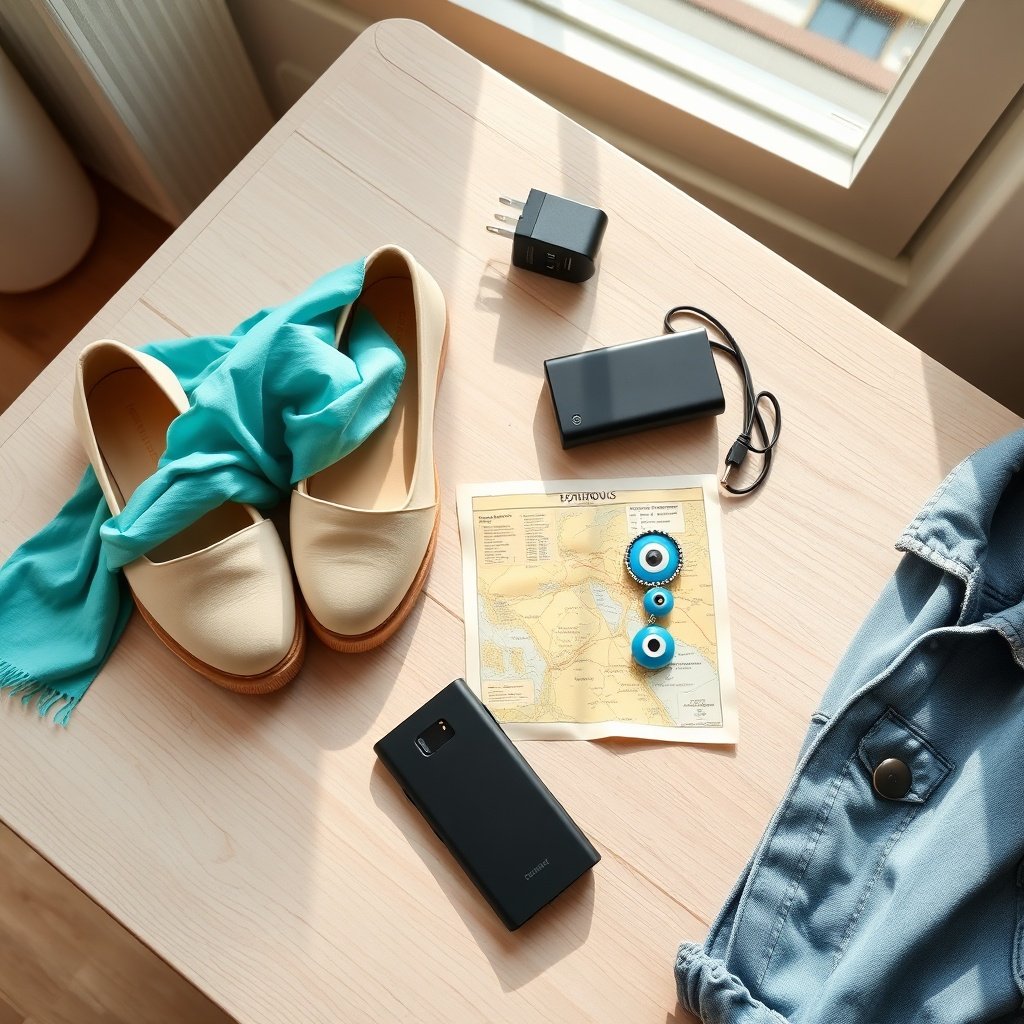
Flat lay of an Istanbul packing list showing comfortable walking shoes, a modesty scarf, a Type F power adapter, and travel essentials on a wooden table.

A flat lay photo showing essential packing items for an Istanbul trip, including a scarf, power adapter, walking shoes, and a power bank.

  • Pack layers to handle temperature fluctuations between the breezy Bosphorus coast and the humid city center.
  • Include a modesty kit (scarf and lightweight pants) for instant access to mosques like the Blue Mosque and Hagia Sophia.
  • Prioritize comfortable, worn-in walking shoes to navigate the historic peninsula’s steep hills and uneven cobblestones.
  • Bring a universal Type F power adapter and a high-capacity power bank for long days of navigation and photography.

The Definitive Istanbul Packing List for 2026

This section serves as your master checklist for Istanbul travel essentials, ensuring you arrive prepared for every scenario without the burden of overpacking. This curated list focuses on the absolute must-haves that apply regardless of the season or specific itinerary.

A traveler wearing modest layered clothing and comfortable walking shoes explores a colorful cobblestone street, illustrating what to wear from an Istanbul packing list.

A traveler dressed in practical layers and comfortable shoes walking down a scenic cobblestone street in a historic Istanbul neighborhood.

Core Documentation and Financial Items

Securing your documents and funds is the first step in a stress-free trip. Ensure you have a valid passport with at least six months of validity beyond your return date to avoid entry issues.

Keep printed copies of your hotel reservations and flight confirmations; while digital copies are useful, border control officials often prefer physical papers. For payments, carry a multi-currency travel card and at least two distinct credit/debit cards to mitigate the risk of payment failures.

Finally, always carry physical Turkish Lira for small vendors, local cafes, and public transport kiosks. Many smaller establishments often reject card payments for transactions under 200 TRY, making cash essential for daily movement.

The Fundamental Clothing Capsule

Building a functional clothing capsule is the secret to efficient packing. Start with three breathable t-shirts or blouses that can be easily mixed and matched with different bottoms.

Include one pair of lightweight, quick-dry trousers that are suitable for both long days of walking and more formal dining. A versatile mid-layer, such as a denim jacket or a lightweight cardigan, is vital for changing temperatures.

Do not forget a waterproof windbreaker jacket. This is crucial for shielding yourself against sudden, unexpected Bosphorus squalls that can occur even on sunny days.

Non-Negotiable Accessories

The right accessories can make or break your comfort levels. Pack enough comfortable socks and underwear to cover a full seven-day trip without needing laundry services.

For security, use a secure crossbody bag with RFID blocking. This is the best way to protect your belongings against pickpockets in crowded areas like the Grand Bazaar.

Sun protection is also non-negotiable. Bring high-quality sunglasses with UV protection and a wide-brimmed hat to shield yourself during open-top Bosphorus cruises.

Quick Answer: Essential Tech Gear

For a successful trip, always carry a high-capacity power bank (at least 20,000 mAh) and a Turkey power adapter type F. Istanbul’s heavy use of digital maps and translation apps will drain your battery quickly while you navigate the city’s winding streets.

Seasonal Strategy: Dressing for Istanbul’s Variable Climate

Istanbul’s weather is notoriously unpredictable due to the unique meeting point of the Black Sea and the Sea of Marmara. Understanding Istanbul weather by month is essential for choosing the right fabrics and weights.

Beating the Summer Heat (June to August 2026)

During the peak summer months, heat and humidity can be intense. To stay cool, choose linen and cotton fabrics, as these are the superior choices to wick away sweat.

While sandals are acceptable for relaxed evenings in Beyoğlu, breathable sneakers are much safer for daytime sightseeing. You will find yourself walking much more than expected.

Sun protection is mandatory during these months. A high-SPF, sweat-resistant sunscreen is necessary because the sun reflects intensely off the white marble surfaces of historic sites.

Surviving the Winter Chill (December to February 2026)

Winter in Istanbul can be biting and damp. A heavy wool coat or a high-quality down jacket is essential, as temperatures often drop near freezing during these months.

To stay warm, pack thermal underlayers and waterproof boots with excellent grip. The city’s hills become quite slippery when wet, making traction a safety priority.

When walking across the Galata Bridge, the wind can be quite fierce. Always pack a warm scarf, gloves, and a beanie that covers your ears fully to prevent wind chill.

Managing the Shoulder Seasons (Spring and Autumn)

Spring and autumn offer the most pleasant temperatures, but they are also the most unpredictable. Focus on layered clothing for Istanbul by packing light sweaters and trench coats.

A compact, sturdy umbrella is a crucial addition to your bag. Projections for April and October 2026 suggest higher rainfall, so being prepared for showers is wise.

For these seasons, closed-toe shoes are highly recommended. They will keep your feet dry and protected during unexpected rain showers or damp mornings.

Definition: Shoulder Season

The period between the peak summer and winter seasons, characterized by moderate temperatures and fewer crowds, making it an ideal time for sightseeing.

Navigating Dress Codes: What to Wear for Religious Sites

Istanbul is home to some of the world’s most significant religious sites, which requires an awareness of the modest dress code for mosques. Dressing respectfully ensures you are not turned away from these architectural wonders.

The “Modesty Kit” for Women

Women should always have a headscarf for religious sites readily available. A large, lightweight pashmina is ideal, as it should be wide enough to cover both the head and shoulders completely.

For lower body coverage, opt for a long skirt or a maxi dress that reaches the ankles. If you prefer pants, ensure they are loose-fitting and not made of sheer material.

A lightweight cardigan or shawl is also helpful. You can easily throw this over sleeveless tops before entering a prayer hall to maintain respectfulness.

Requirements for Men and Children

Men face strict rules regarding lower body attire. Long trousers are strictly enforced in major mosques; wearing shorts is not permitted inside the prayer halls.

While short-sleeved shirts are generally tolerated, carrying a light t-shirt to cover your shoulders is a respectful practice that avoids any potential friction with staff.

If you are traveling with children, ensure their knees and shoulders are covered. This prevents them from being turned away at the entrance of sacred spaces.

Managing Footwear at Mosque Entrances

Practicality is key when entering a mosque. Slip-on shoes or loafers are highly practical, as you will need to remove your footwear frequently.

It is vital to wear socks without holes. Since you must remove your shoes on the carpeted prayer areas, having clean, intact socks is a matter of both hygiene and respect.

While most mosques provide plastic bags for your shoes, bringing a small reusable drawstring bag is a more eco-friendly and convenient alternative.

Quick Answer: Mosque Etiquette

When visiting sites like the Blue Mosque, ensure shoulders and knees are covered. Women must wear a headscarf. Always remove shoes before entering the prayer hall and consider wearing slip-on footwear for convenience.

Practical Essentials for Walking the Seven Hills

Istanbul is a city of hills, steep inclines, and uneven cobblestones. Your physical comfort depends heavily on your Istanbul footwear recommendations.

Footwear Strategy for Cobblestones

Do not make the mistake of wearing brand-new shoes on your first day. Instead, opt for comfortable walking shoes that are already well worn-in and provide excellent arch support.

Avoid high heels or dress shoes with smooth soles at all costs. The polished stones in the Sultanahmet district are extremely slippery, especially when damp.

To prevent discomfort, include blister plasters and moleskin in your first-aid kit. Treating friction points immediately can save your trip from being cut short by foot pain.

Power and Connectivity

To keep your devices running, you will need a Turkey power adapter type C or F to match the local 220-volt outlets.

A high-capacity power bank, specifically one with at least 20,000 mAh, is a lifesaver. This ensures your phone navigation remains active during long 12-hour walking days.

For data, consider purchasing an e-SIM or a pre-loaded physical SIM card. Buying these at Istanbul Airport is often much faster than searching for local kiosks once you reach your hotel.

Security and Day Bags

A daypack with locking zippers is an excellent way to deter theft on crowded tram lines or ferry rides. Keeping your valuables close to your body is a smart move.

For solo travelers, a portable door lock for hotel rooms can provide an extra layer of security and peace of mind.

It is also wise to keep a photocopy of your passport in a separate location from the original document. This speeds up the replacement process significantly if your primary documents are lost.

Definition: RFID Blocking

Technology integrated into bags or wallets that prevents unauthorized scanning of your credit card or passport information by electronic devices.

Health and Hygiene: Medications and Toiletries

Staying healthy ensures your trip isn’t ruined by minor ailments. Being prepared for digestive shifts is a major part of your Istanbul travel essentials.

Digestive Health Management

Taking probiotics one week before your trip can help your stomach adjust to the rich oils and spices found in Turkish cuisine.

Always carry over-the-counter anti-diarrheal medication and rehydration salts. These are vital for managing any sudden digestive emergencies while exploring.

Activated charcoal tablets are also a useful backup for managing mild digestive discomfort after enjoying heavy, traditional meals.

Personal Care and Protection

Ensure all prescription medications are kept in their original bottles. It is highly recommended to carry a doctor’s note describing your condition to avoid issues at customs.

If you are prone to seasickness, pack motion sickness tablets. These are essential for travelers taking Bosphorus boat tours.

Finally, always carry hand sanitizer containing at least 60% alcohol. This is crucial for maintaining hygiene before eating at traditional meyhanes or street food stalls.

FAQ### Do you need to dress modestly in Istanbul?

While Istanbul is a modern metropolis, dressing modestly is required when visiting mosques. Both men and women must ensure their knees and shoulders are covered, and women must cover their hair with a scarf inside the prayer halls.

What kind of power adapter do I need for Turkey in 2026?

Turkey uses Type C and Type F power plugs that operate on 230 volts. Travelers from the US or UK will need a universal travel adapter to charge their devices safely.

Is it safe to drink tap water in Istanbul?

Although the tap water in Istanbul is chlorinated and technically safe for cleaning, it has a high mineral content that can upset stomachs unfamiliar with it. It is strongly recommended to drink bottled or filtered water.

How much cash should I carry in Istanbul?

While credit cards are widely accepted in hotels and major stores, many small shops, cafes, and public transport kiosks prefer cash. It is advisable to carry around 500-1000 Turkish Lira per day for incidental expenses.

What shoes should I wear in Istanbul?

Comfortable, supportive walking shoes with non-slip soles are essential. The historic areas are full of steep hills and uneven, slippery cobblestones, making sandals, heels, or brand-new unworn shoes impractical.

Conclusion

Packing for Istanbul requires a careful balance between respecting cultural traditions and prioritizing your physical comfort. By focusing on layered clothing, a dedicated modesty kit, and high-quality comfortable walking shoes, you will be prepared for everything from the grand mosques to the winding streets of Galata.

Remember to prepare for the variable weather by carrying a light windbreaker and a compact umbrella. With these essentials in your bag, you can focus entirely on the incredible sensory experience of this city without the burden of overpacking.

Start preparing your bags today and get ready to experience the magic of Istanbul in 2026!


31 July 2026 0 comment
0 FacebookTwitterPinterestEmail
Istanbul Airport

Istanbul Airport Hotels 2026: The Ultimate Traveler’s Guide

by irport-istanbul-Admin 30 July 2026
written by irport-istanbul-Admin

Istanbul Airport Hotels 2026: The Ultimate Guide for Travelers

Istanbul Airport hotels 2026 offer travelers a seamless blend of convenience, comfort, and luxury right at the heart of Turkey’s most dynamic metropolis. Whether you’re catching a tight connection, heading to a business meeting, or planning a quick Turkish getaway, the latest developments around IST provide a spectrum of options that cater to every budget and preference. From 5‑star resorts with private lounges to capsule‑style hostels that guarantee security and affordability, the airport’s surrounding area has evolved into a hospitality hub that mirrors the city’s own cosmopolitan spirit.

Definition: Transit hotel – A hotel that specializes in short stays, often offering flexible check‑in/check‑out times and amenities tailored for travelers on layovers.

Key Takeaways

  • Direct shuttle services from 5‑star hotels guarantee arrival in less than 10 minutes.
  • Budget, mid‑range, and luxury options all lie within a 10‑km radius of IST, ensuring easy access.
  • Soundproof rooms, 24/7 check‑in, and free airport transfers are the must‑have features for a stress‑free stay.
  • Early booking and loyalty programs can unlock significant savings during peak travel periods.
  • Proximity to business districts and historic sites allows you to balance work and exploration effortlessly.

Best Istanbul Airport Hotels 2026 for Every Traveler

Luxurious Istanbul Airport hotels lobby with runway view, shuttle service and upscale amenities for travelers

Showcases a high‑end airport hotel interior highlighting comfort, style, and direct shuttle access.

Istanbul Airport hotels 2026 are divided into three categories that match distinct travel needs, each offering a unique set of amenities and value propositions.

Luxury Stays with Premium Amenities

The Hilton Istanbul Ataköy and The Ritz‑Carlton, Istanbul stand out as 5‑star pillars within 8 km of the airport. Both hotels boast award‑winning spas, Michelin‑starred restaurants, and private transfer services that whisk guests to and from IST in under 15 minutes. Exclusive perks include dedicated concierge desks, complimentary airport lounge access, and personalized welcome gifts such as Turkish delight assortments and local art pieces.

Quick Answer

Which luxury hotels near IST provide private transfers?

> The Hilton Ataköy and Ritz‑Carlton Istanbul offer complimentary, pre‑arranged transfers that drop guests directly at the airport terminal, ensuring punctuality and comfort.

Affordable Istanbul Airport hotels capsule hostel with shuttle service and vibrant traveler community

Highlights a budget-friendly transit hotel offering secure capsules, free transfers, and a social atmosphere.

Mid‑Range Hotels with Best Value

The Istanbul Airport Hotel and Mövenpick Hotel Istanbul deliver a balanced blend of comfort and affordability. Rooms feature high‑speed Wi‑Fi, ergonomic workstations, and free continental breakfast that includes freshly baked pastries and local cheeses. Business travelers appreciate the on‑site meeting rooms equipped with video conferencing gear, while families enjoy spacious suites with mini‑kitchens and complimentary bottled water.

Budget‑Friendly Options for Short Layovers

Capsule hotels such as The Dorm Istanbul and hostels like Backpacker Istanbul cater to budget travelers needing a clean, secure place to rest. These venues offer hourly room rentals, 24/7 security, and on‑site lockers for luggage. Despite their minimalistic design, they maintain excellent hygiene standards and provide complimentary shower facilities, making them ideal for layovers as short as four hours.

How to Choose the Right Istanbul Airport Hotel in 2026

Selecting the perfect stay requires evaluating proximity, transportation links, essential amenities, and guest reviews.

Proximity and Transportation Links

A hotel located 5 minutes by car from IST, such as the Istanbul Airport Hotel, guarantees a quick drop‑off, especially during late‑night arrivals. For those preferring public transport, the Metrobus line offers a 20‑minute ride to central Istanbul, and several hotels provide 24/7 shuttle services that synchronize with flight schedules.

Must-Have Amenities for Travelers

Soundproofing is paramount for early‑morning flights; many hotels now feature double‑glazed windows and blackout curtains. High‑speed internet, a fully equipped gym, and a business center with printing services are standard in mid‑range and luxury properties. On‑site restaurants serve local and international dishes, while 24/7 dining options accommodate jet‑lagged guests.

Definition: Airport transfer – A dedicated transportation service that moves guests between the hotel and airport terminals, often included in the room rate.

Reviews and Reputation

Check 2026‑specific feedback on platforms like Booking.com, TripAdvisor, and Google Reviews. Look for consistent praise on cleanliness, staff friendliness, and punctual shuttle services. A hotel’s rating should reflect recent experiences, ensuring that the amenities promised are still in place.

Istanbul Airport Hotel Deals and Booking Hacks for 2026

Maximizing value involves timing, loyalty programs, and avoiding hidden fees.

Best Times to Book for Lower Prices

Booking 4‑6 weeks in advance during the shoulder seasons (late spring and early autumn) can yield 15–20% savings. Conversely, last‑minute deals appear during off‑peak months, but the risk of limited availability remains. For business travelers, aligning reservations with corporate travel windows often unlocks corporate rates.

Loyalty Programs and Package Offers

Chains like Marriott and Hyatt offer points that can be redeemed for free nights or upgrades. Many hotels partner with airlines to bundle flight + hotel + transfer packages, providing a seamless experience and additional discounts. For frequent flyers, the Istanbul Airport Hotel participates in the Istanbul Airport Lounge program, granting early check‑in and priority boarding for guests.

Avoiding Hidden Fees and Scams

Always review the final price before confirming. Transparent pricing lists taxes, resort fees, and cancellation policies. Red flags include extra charges for Wi‑Fi or breakfast that appear only after booking. Stick to reputable booking sites or the hotel’s official website to avoid deceptive practices.

Quick Answer

How can I secure the best rate for a stay near IST?

Book 4–6 weeks ahead during shoulder seasons, use loyalty points, and verify that all fees are included in the quoted price.

Exploring Istanbul from Airport Hotels in 2026

Staying near the airport gives travelers a strategic advantage to explore the city’s cultural and commercial highlights.

Nearby Attractions Within 30 Minutes

The Mall of Istanbul sits just 10 km from IST, offering upscale retail, a cinema complex, and a rooftop café overlooking the Bosphorus. The Istanbul Expo Center, a major convention venue, is a 15‑minute drive away, making it ideal for business events. For a taste of local life, the Sultanahmet district—home to Hagia Sophia and the Blue Mosque—can be reached in 25 minutes via the M1 metro line.

Quick Answer

What attractions are within 30 minutes of IST?

Mall of Istanbul, Istanbul Expo Center, and Sultanahmet are all reachable in less than 30 minutes by car or public transit.

Business and Conference Facilities

Hotels like the Mövenpick Hotel Istanbul offer state-of-the-art meeting rooms and business centers, equipped with the latest technology to facilitate seamless conferences and events. The proximity to the airport ensures that international attendees can easily access the venue, making it a preferred choice for global corporations.

In 2026, Istanbul Airport hotels combine modern luxury with practical convenience, ensuring travelers can rest, work, and explore without hassle. From 24/7 shuttles that align with flight schedules to soundproof rooms, high‑speed Wi‑Fi, and on‑site dining, these properties cater to both leisure and business guests. Loyalty programs and bundled packages further enhance value, while transparent pricing protects against hidden fees. Whether you’re catching a quick layover or planning a longer stay, choosing the right Istanbul Airport hotel in 2026 means you’ll arrive refreshed and ready to experience Istanbul’s vibrant culture. Don’t wait—book your stay today to secure the best rates and enjoy seamless travel from the moment you step off the plane.

Q1: What are the most popular amenities at Istanbul Airport hotels in 2026? A1: 24/7 shuttle service, soundproof rooms with double‑glazed windows, high‑speed Wi‑Fi, fully equipped gym, business center, and 24/7 dining options.

Q2: How can I avoid hidden fees when booking? A2: Book directly through the hotel’s official website or reputable booking platforms, review the final price for taxes, resort fees, and cancellation policies, and confirm that all services are included in the quoted rate.

Q3: Are there special rates for business travelers? A3: Yes, many hotels offer corporate rates, loyalty program benefits, and bundled flight‑plus‑hotel packages that provide discounts and added perks for business guests.

Q4: How far are popular attractions from the airport? A4: The Mall of Istanbul is about 10 km away, the Istanbul Expo Center roughly 15 km, and the historic Sultanahmet district can be reached in about 25 minutes via the M1 metro line.

30 July 2026 0 comment
0 FacebookTwitterPinterestEmail
Istanbul Airport

Turkish Beauty Secrets: Ancient Rituals For A Radiant Glow

by irport-istanbul-Admin 30 July 2026
written by irport-istanbul-Admin

Turkish Beauty Secrets: Ancient Rituals for Modern Radiance in 2026

Discover ancient Turkish beauty secrets through the purifying hammam ritual using black soap and rose water for natural radiance.

The core of Turkish beauty secrets lies in a holistic approach that combines deep physical purification through the Hammam ritual with intense, natural hydration using ingredients like olive oil and rose water. This method prioritizes skin detoxification and cellular turnover over the heavy layering of synthetic chemicals. By focusing on rigorous exfoliation and replenishing the skin’s lipid barrier immediately after cleansing, this tradition achieves a lasting, natural glow that modern “skinimalism” trends are only now rediscovering in 2026.

The “Turkish glow” is not a result of genetic luck but a byproduct of a lifestyle that integrates specific rituals, a nutrient-dense diet, and indigenous ingredients. In 2026, as consumers shift away from complex, multi-step chemical routines, these ancient methods are outperforming modern alternatives due to their sustainability and profound effectiveness. By treating the skin as an extension of the body’s internal health, Turkish beauty traditions offer a comprehensive roadmap for long-term radiance.

Key Takeaways

  • The Turkish Hammam ritual provides essential deep exfoliation and detoxification.
  • Staples like olive oil, rose water, and black soap provide unmatched hydration and anti-aging benefits.
  • Beauty is viewed holistically, linking dietary habits directly to skin and hair vitality.
  • Kitchen staples like yogurt and coffee grounds serve as highly effective, cost-efficient treatments.

The Core Philosophy: Purification and Intense Hydration

Turkish beauty is defined by the dual pillars of rigorous purification and immediate, intense hydration. Unlike many Western skincare trends that focus on layering numerous active serums, the Turkish philosophy focuses on preparing the skin to absorb moisture by first removing every trace of impurity. This approach ensures that the skin’s surface is perfectly primed to receive the nourishing oils that follow.

This holistic skincare approach has remained unchanged for centuries, proving that the most effective way to maintain skin health is to work with the body’s natural processes. In 2026, this aligns perfectly with the global movement toward “skinimalism,” where fewer, higher-quality ingredients are preferred over dozens of synthetic products. By focusing on deep cleansing and immediate moisture replenishment, you maintain a healthy skin barrier and a consistent, luminous complexion.

Definition: Skinimalism is a skincare philosophy that focuses on using a minimal number of high-quality, effective products to achieve optimal skin health, prioritizing the skin barrier over excessive layering.

The Ritual of the Turkish Beauty Secrets: The Hammam

A woman receiving a traditional exfoliation treatment in a Turkish hammam, embodying the core of Turkish beauty secrets.

The foundation of this tradition is the Turkish Hammam ritual, a communal or private bath experience designed for total body detoxification. The process begins in a warm, steamy environment where the heat works to open pores and soften the skin’s outermost layers. This thermal exposure is critical for preparing the body for physical exfoliation.

Once the skin is sufficiently softened, a vigorous scrubbing technique is applied. This stage is essential for removing dead skin cells and stimulating blood circulation throughout the body. This stimulation is the secret to that signature radiance, as it encourages oxygenated blood to reach the skin’s surface. The result is a feeling of lightness and a visible improvement in skin texture and tone.

Quick Answer: The Hammam ritual involves sitting in a steam room to open pores, followed by a deep body detox using a Kese glove. This process removes dead skin cells and boosts circulation, providing the essential foundation for the “Turkish glow.”

The Power of the Foam Massage

Following the exfoliation, the ritual moves into the “köpük” or foam massage phase. A silk pouch is used to create a thick, luxurious lather from traditional olive oil soap or locust bean soap. This soft, voluminous foam is massaged over the entire body to soothe the skin after the intense scrubbing.

This stage is vital for maintaining skin elasticity and ensuring the skin does not feel stripped after exfoliation. The massage helps relax tense muscles while allowing the natural fats found in traditional soaps to penetrate the newly exposed skin layers. This ensures that the skin remains incredibly supple and deeply hydrated rather than dry or irritated.

A woman applying a yogurt and coffee grounds mask, inspired by Turkish beauty secrets from kitchen staples.

The Art of Exfoliation: Mastering the Kese Glove

The most critical tool in the Turkish beauty arsenal is the Kese glove, a coarse, textured mitten used for physical exfoliation. This tool is unmatched for removing toxins and revealing the fresh, vibrant skin underneath. Unlike many modern chemical exfoliants, the Kese provides immediate, tactile feedback and a deep level of cleansing that is difficult to replicate.

In 2026, dermatologists continue to validate the effectiveness of these traditional natural exfoliation methods. The physical action of the Kese helps increase cell turnover, which is essential for preventing dullness and fine lines. It is a sustainable, reusable, and highly effective way to manage skin texture without the need for micro-beads or harsh acids.

Step-by-Step Exfoliation Technique

To achieve professional results at home, you must follow a specific sequence to ensure you are effectively removing dead skin cells without causing irritation.

  1. Preparation: Soak in a hot bath or shower for at least 10 to 15 minutes. The heat is non-negotiable; the skin must be soft and warm.
  2. The Motion: Using the Kese glove on damp (not soaking wet) skin, scrub in vigorous, rhythmic strokes. Always move in upward motions toward the heart to aid lymphatic drainage.
  3. Observation: As you scrub, you will see small rolls of dead skin peeling away. This is a visual confirmation that the Kese is working.
  4. Rinse: Rinse thoroughly with warm water to remove all loosened debris before applying oils.

Coffee Grounds for Cellulite

A highly effective way to enhance the exfoliation process is by using a Turkish coffee scrub. By mixing used coffee grounds with a small amount of extra virgin olive oil, you create a potent treatment that targets skin texture and appearance.

The caffeine in the coffee is known to temporarily tighten the skin and reduce the appearance of cellulite by improving local circulation. When applied immediately after a Kese scrub, the skin’s increased permeability allows the caffeine and oils to penetrate more deeply. This dual-action method leaves the skin feeling incredibly firm and smooth.

Quick Answer: To target cellulite, mix used coffee grounds with olive oil. Apply this scrub after using a Kese glove to maximize the absorption of caffeine, which helps tighten the skin and improve circulation.

Liquid Gold and Floral Waters: Signature Ingredients

Turkey is a global leader in the production of some of the world’s most potent beauty ingredients. Two staples stand above the rest: olive oil and rose water. These ingredients are used from head to toe, serving as natural replacements for many synthetic serums and moisturizers found in modern vanity cabinets.

The Antioxidant Power of Olive Oil

Kitchen ingredients unlock Turkish beauty secrets with homemade yogurt and coffee masks for glowing skin.

High-quality extra virgin olive oil for skin is prized for its exceptional concentration of Vitamin E and polyphenols. These antioxidants are essential for protecting the skin against environmental stressors and oxidative damage. In Turkish tradition, warm olive oil is used as a deep conditioning mask for both the face and the hair.

Scientific studies in 2026 continue to highlight the importance of topical oleic acid, a primary component of olive oil, in maintaining a robust skin barrier. By applying this “liquid gold,” you provide the skin with the lipids it needs to stay hydrated and resilient against aging. It is a simple, effective, and incredibly nourishing solution for all skin types.

Rose Water for pH Balance

Pure rose water, known as Gül suyu, is a cornerstone of Turkish beauty. It is used as a natural toner and setting spray to refresh the complexion and maintain the skin’s natural pH levels. Unlike many commercial toners, authentic rose water is free from alcohol and harsh preservatives, making it safe for even the most sensitive skin.

Using rose water helps to reduce facial inflammation and soothe redness. For the best results, look for steam-distilled rose water that is as close to the plant essence as possible. It provides a cooling, hydrating sensation that instantly revitalizes the face, making it a perfect step in any morning or evening routine.

Lustrous Locks: Traditional Turkish Hair Care

Turkish hair is often characterized by its immense thickness, shine, and resilience. This is not merely a result of genetics but a consequence of consistent scalp stimulation and the use of nutrient-dense, natural protein sources. Moving away from chemical-laden salon treatments toward traditional methods ensures long-term hair health.

The Yogurt and Egg Mask

One of the most effective DIY hair masks used in Turkish households is a combination of yogurt and egg. This treatment provides a concentrated dose of protein and probiotics to the hair shaft.

  • Ingredients: 1 cup of full-fat yogurt, 1 egg yolk, and 1 tablespoon of olive oil.
  • Application: Apply the mixture generously to your scalp and through the lengths of your hair.
  • Treatment: Cover your hair with a shower cap and let it sit for at least 20 minutes.
  • Rinse: Always rinse with cool water to prevent the egg from “cooking” in your hair and to seal the cuticle for extra shine.

The protein in the egg repairs damaged hair fibers, while the lactic acid in the yogurt helps to cleanse the scalp and soothe irritation.

Castor Oil for Thickness

For those seeking increased volume and density, the use of castor oil for hair growth is a time-honored secret. Specifically, cold-pressed castor oil (known locally as Siyah Yağ) is highly valued for its thick, viscous consistency and high ricinoleic acid content.

This oil is most effective when applied to the hairline and eyebrows. By gently massaging a small amount into the roots before bed, you stimulate blood flow to the follicles. This consistent stimulation, combined with the nourishing properties of the oil, encourages thicker, stronger hair growth over time.

Quick Answer: For thicker hair, use cold-pressed castor oil (Siyah Yağ) on your hairline and roots before bed. The high ricinoleic acid content promotes blood flow to the follicles, encouraging growth.

Beauty from Within: The Nutritional Foundation

In Turkish culture, beauty is viewed as an internal state that manifests externally. A beautiful complexion is considered a direct reflection of a healthy digestive system and a nutrient-rich diet. The traditional Turkish diet is a hallmark of the Mediterranean lifestyle, focusing on whole foods that support skin vitality.

Antioxidant-Rich Teas

The consumption of herbal teas is a daily ritual that contributes significantly to skin clarity. Teas such as Sage (Adaçayı) and Nettle (Isırgan) are staples in Turkish households. These herbs are celebrated for their blood-purifying properties and their ability to detoxify the body from the inside out.

Replacing sugary sodas with these antioxidant-rich infusions is a common habit that helps maintain a clear, even skin tone. In 2026, the link between gut health and skin clarity is more evident than ever, and these traditional herbal infusions provide the perfect natural solution for a skin detox.

The Importance of Breakfast

The “Serbest Kahvaltı,” or traditional Turkish breakfast, is a feast of healthy fats and hydrating vegetables. A typical spread includes olives, cucumbers, tomatoes, feta cheese, and walnuts. This combination provides the essential building blocks for collagen production and skin elasticity.

Starting your day with these nutrient-dense foods ensures that your body has a steady supply of vitamins and healthy fats. This prevents the “sugar crashes” that can lead to inflammation and breakouts, providing a stable foundation for your beauty routine from the very first meal of the day.

Frequently Asked Questions (FAQ)

What is the most important Turkish beauty secret for glowing skin? The most important secret is the combination of physical exfoliation with a Kese glove and immediate hydration with natural oils like olive oil.

How often should I use a Kese exfoliating glove? For best results, use a Kese glove once a week during a long, warm bath or Hammam ritual to prevent over-exfoliation.

Can I use Turkish olive oil on my face if I have acne-prone skin? While olive oil is highly nourishing, those with very oily or acne-prone skin should patch test first, as the high oleic acid content may be too heavy for some.

What is the main ingredient in Turkish black soap? Traditional Turkish black soap is primarily made from olive oil and saponified oils, often enriched with laurel or olive extracts.


The Turkish beauty secrets revealed in this article demonstrate that true radiance is achieved through consistency and the use of nature’s most potent ingredients. From the deep cleansing power of the Hammam to the nourishing benefits of rose water and olive oil, these rituals offer a sustainable alternative to modern synthetic skincare. By adopting even just one or two of these habits—such as a weekly Kese exfoliation or a daily rose water toner—you can transform your skin’s health and vitality. These time-honored traditions prove that nature provides the most effective and accessible solutions for lasting beauty. Start your journey toward a natural glow today.

30 July 2026 0 comment
0 FacebookTwitterPinterestEmail
Istanbul Airport

Ultimate Istanbul Airport Lounge Guide: How To Access

by irport-istanbul-Admin 30 July 2026
written by irport-istanbul-Admin

Istanbul Airport lounge guide

Istanbul Airport (IST) serves as a critical bridge between Europe and Asia, handling over 150 million passengers annually in 2026. The terminal spans more than 1.4 million m², offering a network of over ten lounges that range from Turkish Airlines’ flagship suite to independent pay‑per‑use lounges. Whether you travel in business class, hold elite status, or simply want a quiet spot to recharge, the best Istanbul Airport Lounges Guide: Access and Reviews shows exactly how to secure a comfortable seat, freshen up, and enjoy premium food and entertainment before your flight.

Quick Answer: The Istanbul Airport lounge guide reveals that you can access lounges via business/first‑class tickets, elite status, a Priority Pass, or a paid entry of €40‑€60. The Turkish Airlines Istanbul Lounge is the world’s largest, while independent lounges like iGA and Primeclass provide budget‑friendly alternatives.

Key Takeaways

  • Istanbul Airport features over 10 lounge options, including the world’s largest airline lounge operated by Turkish Airlines.
  • Access is available via airline status, business class tickets, Priority Pass, or walk‑up payments starting at approximately €40.
  • The flagship Istanbul Lounge offers extensive amenities including a golf simulator, cinema, and spa services.
  • Independent lounges like the iGA Lounge provide viable alternatives for non‑Star Alliance travelers.
  • Lounge locations are split between International and Domestic terminals, requiring transit passengers to pass security to access airside facilities.

Istanbul Airport lounge guide: Definitive Overview of Lounge Options

Istanbul Airport lounge guide: panoramic view of Turkish Airlines Istanbul Lounge with golf simulator, cinema, and spa services

A luxurious view of the world’s largest airline lounge at Istanbul Airport.

The airport hosts three Turkish Airlines lounges, two Emirates lounges, a Qatar Airways lounge, a Lufthansa Business Lounge, and independent spaces such as iGA, Primeclass, Millennium, and YotelAir. Access rules differ: business or first‑class passengers enter automatically; elite members of the airline’s frequent‑flyer program receive complimentary entry; Priority Pass Istanbul Airport holders can walk in; and anyone can purchase a day pass at the pay at the door entrance. Most lounges sit airside, after passport control, and are signposted with clear icons. Expansion projects slated for 2026 will add two more premium lounges to meet growing demand.

Quick Answer: Istanbul Airport offers airline‑operated lounges for Star Alliance and non‑allied carriers, plus independent lounges that accept Priority Pass and cash payments, all located airside after security.

Airline‑Specific vs. Independent Lounges

Airline lounges such as the Turkish Airlines Business Lounge provide brand‑aligned services, including airline‑specific meal menus and priority boarding announcements. Independent lounges focus on universal comfort, offering high‑speed Wi‑Fi, neutral décor, and flexible entry policies that suit any carrier.

Istanbul Airport lounge guide: traveler accessing Priority Pass lounge with modern seating and coffee bar

A traveler using a Priority Pass to enter a modern lounge at Istanbul Airport.

Access Methods Overview

  1. Business or first‑class ticket on a participating airline.
  2. Elite status with Turkish Airlines, Emirates, or other carriers.
  3. Priority Pass or LoungeKey membership.
  4. Credit‑card lounge access programs (e.g., Amex Platinum).
  5. Walk‑in payment of €40‑€60 at the lounge reception desk.

Definition: Priority Pass – a global lounge network that grants members entry to participating lounges regardless of airline or ticket class, often for a flat annual fee.

The Flagship Experience: Inside the Turkish Airlines Istanbul Lounge

Spanning 6,500 m², the Turkish Airlines Istanbul Lounge holds the title of the largest airline lounge worldwide. The space is divided into zones: a bustling dining hall, a tranquil sleeping area with sleeping pods and cabins, a wellness zone, and entertainment sections. The lounge serves as a micro‑airport, allowing passengers to relax, work, or nap without leaving the terminal.

Culinary Offerings and Dining Areas

Multiple stations deliver a blend of Turkish and international cuisine. The live cooking counter prepares fresh pide and kebabs on demand, while an olive oil bar showcases premium Turkish oils for tasting. A dedicated tea garden offers traditional çay and a selection of herbal infusions. Complimentary alcoholic beverages, including raki and fine wines, are served by attentive staff.

Exclusive Amenities: Golf, Cinema, and Wellness

A state‑of‑the‑art indoor golf simulator lets travelers practice swings while waiting for boarding. Adjacent, a small cinema screens the latest blockbusters with surround sound. The wellness center features a full‑service spa, offering massages, a sauna, and shower facilities equipped with premium toiletries. Sleeping suites provide private rooms with beds, curtains, and ambient lighting for extended layovers.

Quick Answer: The Turkish Airlines Istanbul Lounge includes a golf simulator, cinema, spa, and private sleeping suites, making it a comprehensive oasis for long layovers.

Best Independent Lounges for Budget and Flexibility

Travelers without premium tickets can still enjoy quality lounge experiences at iGA Lounge and Primeclass Lounge. Both accept Priority Pass Istanbul members and allow walk‑in purchases, providing quieter environments and complimentary snacks compared to the bustling gate areas.

iGA Lounge Features and Services

Located near the central atrium, the iGA Lounge offers panoramic runway views, a sleek business center with printers, and a selection of Turkish pastries and cold‑brew coffee. The lounge can accommodate up to 500 passengers, ensuring space even during peak hours. IGA Lounge access is granted via Priority Pass, select credit‑card programs, or a €45 day pass bought online.

Cost‑Effective Access Strategies

Booking a digital pass through the official airport website often reduces the price to €38 for a three‑hour stay. Certain premium credit cards, such as the 2026 version of the Chase Sapphire Reserve, include two complimentary guest passes per year. Travelers should verify the latest promotions before arrival to secure the best rate.

Quick Answer: Independent lounges like iGA provide modern design, business facilities, and runway views, and can be accessed with Priority Pass, credit‑card perks, or a modest day‑pass fee.

Navigating Locations and Transit Times

Understanding the terminal layout saves valuable minutes. The Turkish Airlines lounge sits in the International Departures area, adjacent to gates D12‑D20. Independent lounges cluster near the central atrium (near gates C5‑C8) and are reachable within a 5‑minute walk from security. Domestic travelers must clear the domestic security checkpoint before accessing the international lounge zone; signage in both English and Turkish directs passengers clearly.

International Departures Layout

The International terminal follows a linear design: check‑in → security → passport control → lounge corridor → remote piers. Lounges are positioned before the remote pier boarding bridges, allowing easy re‑entry to gates.

Domestic vs. International Access

Domestic passengers on connecting flights can only enter lounges located in the domestic hall unless they possess a Transit hotel visa that permits crossing into the international area. The airport’s digital map, available on the IST app, highlights lounge locations in real time.

Quick Answer: The Turkish Airlines lounge is near gates D12‑D20 in the International Departures area, while iGA and Primeclass lounges are close to the central atrium, reachable within five minutes after security.

How to Access Lounges Without Flying Business Class

Budget travelers can still enjoy premium spaces by leveraging credit‑card benefits and day‑pass options. The 2026 American Express Platinum equivalent offers unlimited Priority Pass entries and two free guest passes per year. The Chase Sapphire Reserve counterpart provides a $300 annual travel credit that can be applied toward lounge day passes.

Credit Card and Membership Programs

Priority Pass and LoungeKey remain the most widely accepted third‑party memberships at IST. The mobile app displays real‑time occupancy, allowing travelers to choose the least crowded lounge. Credit card lounge access also includes the Millennium Lounge, which accepts Visa Signature and Mastercard World Elite cards for complimentary entry.

Day Passes and Online Booking

The airport’s official website sells digital day passes for €40‑€60, valid for three hours. Purchasing ahead of time guarantees entry during peak periods and may unlock a 10 % discount. Walk‑in fees are slightly higher, especially for lounges with high demand such as the Turkish Airlines lounge.

Quick Answer: Use a premium credit card like Amex Platinum for free Priority Pass entries, or buy a €40‑€60 digital day pass on the IST website to access independent lounges without a business‑class ticket.

FAQ

  • Can I shower at Istanbul Airport if I am not flying business class? Yes, shower facilities are available in several independent lounges, such as the iGA Lounge and Primeclass Lounge, which can be accessed via a Priority Pass membership or by paying a single‑entry fee.
  • Is there a time limit on how long I can stay in an Istanbul Airport lounge? Most lounges typically allow a stay of up to 3 hours. However, during irregular operations or flight delays, staff often extend this limit, particularly for passengers flying with the lounge’s sponsoring airline.
  • Are the lounges at Istanbul Airport open 24 hours? Yes, the major lounges, including the Turkish Airlines Istanbul Lounge and the iGA Lounge, operate 24 hours a day to accommodate the airport’s extensive schedule of red‑eye and connecting flights.
  • Can I access the Turkish Airlines Lounge with a Star Alliance Gold card on an economy ticket? Yes, Star Alliance Gold card holders flying on any Star Alliance carrier in economy class are granted access to the Turkish Airlines Lounge, along with one guest, provided they are departing on an international flight.

Conclusion

The Istanbul Airport lounge guide demonstrates that the airport caters to every traveler, from ultra‑luxury seekers to budget‑conscious flyers. By checking ticket class, elite status, credit‑card perks, or purchasing a day pass, you can unlock a range of amenities—from the sprawling Turkish Airlines flagship lounge with its golf simulator and spa, to independent spaces offering runway views and quiet work zones. Arrive early, verify your eligibility, and enjoy the dining, wellness, and relaxation options that can transform a long layover into a pleasant intermission.

Ready to upgrade your next Istanbul layover? Explore the lounge options, book a pass online, and make the most of your time at one of the world’s most dynamic airports.


30 July 2026 0 comment
0 FacebookTwitterPinterestEmail
Istanbul Airport

Ultimate Guide To Luxury Shopping In Istanbul 2026

by irport-istanbul-Admin 29 July 2026
written by irport-istanbul-Admin

Ultimate Guide to Luxury Shopping in Istanbul: The 2026 High-End Style Report

A high-end designer boutique in Nişantaşı showcasing luxury shopping in Istanbul fashion trends.

Luxury shopping in Istanbul is a dual-experience model that combines historic artisan markets with world-class, designer-heavy shopping malls. High-end enthusiasts can choose between the ancient craftsmanship of the Grand Bazaar and the ultra-modern flagship stores located in districts like Nişantaşı and Bebek. This intersection of Byzantine heritage and modern European opulence makes the city a premier global hub for high-end fashion and bespoke jewelry in 2026.

Introduction

Istanbul stands as a breathtaking intersection of Byzantine heritage and modern European opulence. In 2026, the city has solidified its reputation as a premier global luxury hub, attracting high-net-worth travelers from across the Mediterranean and Middle East. The shopping landscape is uniquely bifurcated, offering everything from the labyrinthine, gold-dusted corridors of ancient bazaars to the sleek, glass-fronted boutiques of contemporary metropolitan districts.

You can find a one-of-a-kind antique from the Ottoman era or the latest runway piece from a Parisian fashion house; Istanbul provides an unparalleled retail environment. The city’s luxury sector is no longer just about consumption; it is about the experience of cultural immersion through high-end commerce.

Key Takeaways

A sophisticated street view of Istanbul’s premier fashion district.

  • Istanbul offers a unique blend of traditional Grand Bazaar craftsmanship and ultra-modern luxury malls.
  • High-end fashion is concentrated in major districts like Nişantaşı and Bebek.
  • Personal shopping services are highly developed for international travelers in 2026.
  • Tax-free shopping benefits are widely available in major luxury boutiques.

The Definitive Guide to Luxury Shopping in Istanbul (The Essential Overview)

Luxury shopping in Istanbul is characterized by a sophisticated split between “Heritage Luxury” and “Modern Luxury.” Heritage luxury focuses on the city’s deep-rooted traditions, specifically in gold, gemstones, and premium Turkish textiles. This is where you find the world’s finest artisans practicing techniques passed down through generations.

Modern luxury, conversely, is defined by the presence of global designer brands and high-end fashion Turkey. The 2026 retail landscape has seen a massive influx of flagship stores in premium districts, making Istanbul a direct competitor to Milan or Paris. You will find that the city’s luxury boutiques Istanbul are often housed in renovated historical mansions or cutting-edge architectural marvels.

The shopping experience here is deeply personal. Unlike the transactional nature of many Western cities, luxury shopping in Istanbul often involves a high level of hospitality, including tea service and personalized styling sessions. This cultural emphasis on guest service makes every purchase feel like a significant event rather than a simple transaction.

Definition: Heritage Luxury refers to high-end goods, such as jewelry or textiles, that are produced using traditional, artisanal methods passed down through centuries of cultural history.

Quick Answer: To master luxury shopping in Istanbul, focus on Nişantaşı for international designer brands and the Grand Bazaar for high-end jewelry. For a climate-controlled, all-in-one experience, visit the Zorlu Center or İstinyePark malls.

A detailed view of traditional high-end jewelry found in Istanbul’s historic markets.

The Nişantaşı Experience: Istanbul’s Fashion Avenue

Exquisite handcrafted gold jewelry and bespoke gemstones found through luxury shopping in Istanbul.

Nişantaşı serves as the heartbeat of high fashion in the city. This upscale district is where the elite gather to browse the latest collections from the world’s most prestigious houses. Walking through the streets, you will encounter the most exclusive designer brands in Nisantasi, creating an atmosphere of sophisticated urban elegance.

Abdi İpekçi Street is the undisputed center of the Istanbul fashion district. Here, you can find flagship stores for iconic names such as Chanel, Louis Vuitton, and Gucci. The streets are lined with high-end boutiques that cater to a discerning international clientele, offering the latest seasonal trends before they even hit many other global markets.

The Nişantaşı experience is as much about lifestyle as it is about acquisition. After a morning of browsing, you can transition seamlessly into the area’s vibrant café culture. Many of the most exclusive high-end boutiques in Istanbul are located near boutique hotels and five-star dining establishments, allowing for a full day of curated luxury.

Grand Bazaar vs. The Grandeur: Traditional vs. Modern Retail

The choice between traditional and modern retail in Istanbul depends entirely on your shopping objective. The Grand Bazaar offers a sensory journey through history, specializing in luxury jewelry Istanbul and rare antiques. It is a place where the art of the haggle is still a respected social ritual, especially when dealing with high-value gemstones or gold.

In contrast, the modern luxury malls provide a streamlined, efficient, and air-conditioned environment. The Zorlu Center and İstinyePark are the crown jewels of the city’s modern retail sector. These malls host a vast array of Istanbul luxury department stores and international brands, offering a seamless experience for those who prefer the convenience of a single location.

| Feature | Traditional Artisan Craftsmanship | International Luxury Retail | | :— | :— | :— | | Primary Focus | Gold, Jewelry, Textiles, Antiques | Designer Fashion, Handbags, Accessories | | Atmosphere | Historic, Bustling, Social | Modern, Sleek, Controlled | | Pricing Model | Negotiation/Haggling expected | Fixed pricing | | Best For | Unique, one-of-a-kind treasures | Latest seasonal collections |

Quick Answer: For high-end jewelry and unique textiles, head to the Grand Bazaar. For international designer fashion and a convenient, modern atmosphere, visit the Zorlu Center or İstinyePark.

Curating the Turkish Aesthetic: High-End Local Designers

In 2026, the “Made in Turkey” label has become a global symbol of luxury. The rise of Turkish luxury fashion brands has seen local designers dominate the international market by blending contemporary silhouettes with traditional Ottoman-inspired motifs. This fusion creates a unique aesthetic that is difficult to replicate elsewhere.

Three Turkish luxury houses are currently leading the way:

  1. Vakko: The pioneer of Turkish luxury, known for impeccable tailoring and high-end accessories.
  2. Dicey Malkoç: Famous for avant-garde designs that blend high fashion with traditional Turkish elements.
  3. Machika: A leader in modern, youthful luxury that has gained significant traction in European markets.

Sourcing unique pieces often involves looking for high-quality Turkish silk and contemporary couture. These designers offer an alternative to the standard European luxury houses, providing pieces that are deeply rooted in the local culture yet designed for a global stage.

The Connoisseur’s Guide: Jewelry, Gems, and Bespoke Services

For the serious collector, the gold district near the Grand Bazaar offers access to investment-grade gemstones and gold. The luxury jewelry stores in Istanbul are renowned for their precision and the purity of their metals. Many jewelers offer custom settings, allowing you to create something truly unique.

Bespoke tailoring is also experiencing a massive resurgence. Istanbul is a hub for custom-made suits and evening wear, where master tailors can create garments that fit perfectly and reflect your personal style. This level of craftsmanship is a cornerstone of the city’s luxury identity.

To elevate your experience, consider booking a VIP shopping experiences in Istanbul. In 2026, professional stylists and personal shoppers are widely available to curate private tours of the best boutiques. This service ensures you navigate the city’s most exclusive districts with ease and sophistication.

Definition: Bespoke Tailoring is the process of creating a garment from scratch based on a customer’s specific measurements and stylistic preferences, ensuring a perfect fit.

Quick Answer: For investment-grade gems and gold, visit the Grand Bazaar’s jewelry districts. For custom-made clothing and high-end tailoring, look toward the specialized ateliers in Nişantaşı.

Conclusion

Luxury shopping in Istanbul in 2026 is a multifaceted journey that bridges the gap between ancient tradition and futuristic elegance. Whether you are navigating the historic corridors of the Grand Bazaar or walking the glamorous streets of Nişantaşı, the city offers a richness that is unmatched in the Mediterranean.

Keep in mind that timing is essential; the seasonal sales in Istanbul offer incredible opportunities to acquire high-end goods at a fraction of their original price. Istanbul remains a top-tier destination for luxury enthusiasts because it doesn’t just sell products; it sells a piece of history and a taste of modern opulence. Plan your trip to coincide with Istanbul fashion week luxury collections to see the absolute pinnacle of Turkish and international style.

29 July 2026 0 comment
0 FacebookTwitterPinterestEmail
Istanbul Airport

Ultimate Guide To Buying An Istanbul Airport SIM Card (2026)

by irport-istanbul-Admin 29 July 2026
written by irport-istanbul-Admin

The Ultimate Guide to Buying a SIM Card at Istanbul Airport (2026)

Landing at Istanbul Airport (IST) requires immediate connectivity to navigate the massive terminal, book transportation, and contact accommodations. While free Wi-Fi exists, it is often slow, crowded, and insufficient for bandwidth-heavy tasks like ride-hailing or streaming.Purchasing an Istanbul Airport SIM card is the most reliable solution for uninterrupted internet access throughout your trip. As of 2026, the process is streamlined for international travelers, with 24/7 kiosks located in the arrivals hall offering competitive tourist packages from major carriers. This guide provides everything you need to know about costs, providers, eSIM alternatives, and activation to ensure you are online the moment you touch down in Turkey.

Key Takeaways

  • Physical SIM counters are available 24/7 in the International Arrivals Hall, specifically near baggage claim belts 1-14 and the Customs exit.
  • Tourist-specific packages from Turkcell, Vodafone, and Turk Telekom typically range between 600 TRY and 1200 TRY as of July 2026.
  • Passport registration is mandatory for all physical SIM cards in Turkey and is performed instantly at the airport kiosks.
  • eSIMs offer a queue-free alternative but must be purchased before landing to avoid roaming charges while downloading the profile.
  • 5G coverage is widespread in Istanbul, but ensure your phone is unlocked to use a local carrier network.

Where to Buy a SIM Card at Istanbul Airport (IST) Today

Traveler purchasing an Istanbul Airport SIM card at a bright, modern kiosk in the arrivals hall with Turkcell, Vodafone, and Turk Telekom signs

A traveler at a SIM card kiosk in Istanbul Airport’s arrivals hall, with carrier signs and a busy terminal in the background.

You can buy a physical SIM card immediately after passing through passport control and collecting your luggage. The primary sales points are situated on the Istanbul Airport arrivals hall ground floor, serving the International Arrivals terminal. You do not need to leave the secure area or venture into the city to find a connection. The three major operators—Turkcell, Vodafone, and Türk Telekom—maintain dedicated, brightly lit IST airport SIM kiosk units that are easily identifiable by their corporate branding.

These kiosks operate around the clock, ensuring that even travelers arriving on late-night red-eye flights can purchase a buy SIM card Turkey arrivals package. The transaction process is efficient: you select a plan, present your passport for mandatory registration, and pay via credit card or cash. Staff at these locations are accustomed to assisting tourists and generally speak sufficient English to explain the packages and activation procedures.

Quick Answer: Yes, you can buy a SIM card at Istanbul Airport 24/7 at kiosks in the International Arrivals Hall near baggage claim and customs, regardless of your arrival time.

Locating the Operator Counters

Finding the kiosks is straightforward if you know where to look. After exiting the baggage claim area, follow the yellow signs overhead marked “Telecom” or “Mobile Phone.” Turkcell is typically positioned near the Starbucks located in the central hub of the arrivals hall. Vodafone and Türk Telekom counters are usually situated closer to the Customs exit area, toward the far right of the hall as you face the exit doors.

If you are consulting an Istanbul Airport map, look for the commercial zones in the International Arrivals Hall. The mobile phone shops IST locations are spaced out to prevent crowding, so if one line is particularly long, it is often a short walk to check the competitor’s queue. Avoid third-party vending machines or unauthorized resellers; stick to the official branded stores to ensure your SIM is registered correctly.

Close-up of a newly purchased Istanbul Airport SIM card with Turkcell branding and activation instructions

A close-up of a Turkcell SIM card package held in hand, with Istanbul Airport’s modern interior softly blurred in the background.

Comparing Airport vs. City Prices

Convenience comes at a slight premium. Purchasing a Turkey SIM card cost at the airport is generally 10-15% more expensive than buying one in city centers like Taksim Square, Sultanahmet, or Kadıköy. For example, a tourist package costing 600 TRY at the airport might retail for approximately 500 TRY at a downtown shop.

However, for most travelers, the tourist SIM price difference is negligible compared to the value of having immediate data access. The time saved by avoiding a separate trip to a phone shop, combined with the ability to use navigation apps immediately upon exiting the terminal, justifies the small surcharge. If you are on an extremely tight budget and have arranged alternative transport from the airport, waiting until you reach the city center is a viable option.

Definition: Tourist Package

A prepaid mobile plan specifically designed for short-term visitors, usually including a set amount of high-speed data (4G/5G), unlimited local calls, and sometimes unlimited usage of messaging apps like WhatsApp, valid for 30 days.

Comparing Turkey’s Major Mobile Providers: Turkcell vs. Vodafone vs. Türk Telekom

Choosing the best mobile network Turkey has to offer involves weighing coverage, speed, and price. The “Big Three” carriers dominate the market, but they cater to slightly different traveler needs. Turkcell is widely recognized as the market leader, boasting the most extensive infrastructure and the fastest 5G speeds, particularly in rural areas and along the Aegean and Mediterranean coasts. If your itinerary involves traveling outside Istanbul to places like Cappadocia or Ephesus, Turkcell offers the most consistent signal.

Vodafone is a strong runner-up, often providing comparable speeds within Istanbul’s city limits. Their tourist packages are frequently priced aggressively to compete with Turkcell. Türk Telekom is historically the state-owned provider and is often the most budget-friendly option. While their urban coverage is excellent, travelers venturing into remote mountainous regions may occasionally experience slower data speeds compared to Turkcell.

Turkcell Tourist Packages and Features

The Turkcell Tourist Welcome package is the gold standard for visitors in 2026. Typically priced around 900 TRY to 1200 TRY, these plans usually include 20GB to 50GB of high-speed data valid for 30 days. A standout feature of Turkcell is its focus on added value; many plans include unlimited WhatsApp usage, which does not deduct from your high-speed data allowance.

Additionally, Turkcell often partners with travel services. Some high-value packages include a complimentary pass to the Istanbul Airport lounges or discounts on the Istanbulkart, the city’s public transport card. This makes the Turkcell Passport tourist SIM an excellent choice for those who want a seamless, all-in-one experience that covers both connectivity and basic travel necessities.

Vodafone and Türk Telekom Alternatives

Vodafone Turkey tourist plans, specifically the “Vodafone Red” tourist options, offer a compelling balance of price and performance. These packages generally cost between 600 TRY and 900 TRY, providing 15GB to 30GB of data. Vodafone’s network is robust in Istanbul and major tourist destinations, making it a reliable alternative for city hoppers.

Türk Telekom prepaid packages are the most economical, often starting as low as 500 TRY. While they may lack the “frills” of Turkcell’s lounge access, they provide sufficient data (10GB to 20GB) for average usage in central Istanbul. A significant advantage of choosing Türk Telekom at the airport is shorter wait times; because many tourists flock to the Turkcell counter, the Türk Telekom line is often much shorter, allowing you to get through customs and exit the airport faster.

eSIMs vs. Physical SIM Cards: The 2026 Traveler’s Dilemma

The debate between a Turkey eSIM for tourists and a physical card centers on convenience versus cost and local number requirements. An eSIM (embedded SIM) is a digital profile that you download to your phone. The primary advantage is that you can purchase and install the digital SIM card Istanbul profile before your plane lands. This means you can have connectivity the moment you step off the aircraft, bypassing airport queues entirely.

However, eSIMs are often slightly more expensive per gigabyte than local physical Turkey eSIM vs physical SIM options. Furthermore, most international eSIM providers (like Airalo or Holafly) do not provide a Turkish phone number, which might be an issue if you need to make local restaurant reservations or call a taxi. Physical SIMs always come with a local Turkish number (+90), making them more versatile for voice calls within the country.

Quick Answer: eSIMs are best for travelers who want to activate data before landing and avoid lines, while physical SIMs are better for those needing a local Turkish phone number and the lowest possible data price.

Advantages of Buying an eSIM Before You Fly

Purchasing an Airalo Turkey eSIM or a Holafly Turkey plan before departure offers a stress-free experience. You can buy the plan via an app while still at home, scan the QR code, and load the profile. Activation usually happens automatically when you connect to a Turkish network. This is particularly useful if you have a tight connection or arrive during peak hours when airport queues are long.

This method is also ideal for travelers who do not want to swap out their primary SIM card. By using an eSIM for data and keeping your home SIM active for calls, you ensure you never miss Two-Factor Authentication (2FA) texts from your bank or email provider.

Limitations and Compatibility Checks

Not all devices support eSIM compatible phones. While most modern iPhones (XS and newer) and high-end Androids (Google Pixel, Samsung Galaxy S series) support eSIM, many budget models do not. You must check your phone’s settings to confirm it is not carrier-locked.

Crucially, if your phone is locked to a carrier like AT&T or Verizon in the USA, you may not be able to download a Turkish eSIM profile. The phone must be unlocked to accept a new carrier profile. Dual SIM travel functionality varies by device; some iPhones allow one eSIM and one physical SIM, while others support two active eSIMs. Verify your device’s capability before relying on an eSIM for your entire trip.

Step-by-Step Guide to Activating Your SIM Card

Activating a physical card involves a strict legal process. Turkey has a stringent law requiring Turkish SIM card registration to link the mobile number to a legal identity. This prevents the anonymous use of mobile phones and is strictly enforced.

  1. Visit an Official Kiosk: Approach a Turkcell, Vodafone, or Türk Telekom counter in the arrivals hall.
  2. Present Your Passport: Hand your passport to the sales associate. They will scan the photo page.
  3. Data Entry: The associate enters your details into the government’s MCKS (Mobile Communication System) database. This registers the SIM to your name.
  4. Payment and Insertion: Pay for your chosen package. Insert the SIM card (usually a triple-cut nano/micro/standard size).
  5. Wait for Activation: The line typically activates within 5 to 15 minutes. You will receive a confirmation SMS.

Warning: Never buy a SIM card from an unauthorized street

Choosing between an eSIM and a physical option depends entirely on your specific travel needs and device compatibility. While eSIMs offer unmatched convenience for data-only usage and avoiding airport queues, physical cards provide the distinct advantage of a local Turkish number and often better value for voice calls. Regardless of your preference, staying connected is crucial for navigating the city and managing bookings. To ensure a smooth start to your journey, we recommend researching providers or planning your kiosk visit before you land. Don’t let connectivity issues slow you down; secure your Istanbul Airport SIM card or preferred eSIM today and enjoy a hassle-free trip exploring this incredible destination.

Frequently Asked Questions

Do I need to register my physical SIM card in Turkey? Yes, Turkish law requires strict registration. You must present your passport at an official kiosk (Turkcell, Vodafone, or Türk Telekom) so the vendor can link the SIM to your legal identity in the government’s database.

Can I get a Turkish phone number with an eSIM? Generally, no. Most international eSIM providers, such as Airalo or Holafly, offer data-only plans without a Turkish phone number. You need a physical SIM to get a local +90 number for making local calls or restaurant reservations.

How long does it take for a physical SIM card to activate? After purchasing and inserting the card at an official kiosk, activation typically takes between 5 to 15 minutes. You will receive a confirmation SMS once the line is active.

Will my phone work with a Turkish eSIM? It depends on your device. Most modern iPhones (XS and newer) and high-end Androids support eSIMs, but your phone must be unlocked by your home carrier to download a new carrier profile.

29 July 2026 0 comment
0 FacebookTwitterPinterestEmail
Newer Posts
Older Posts

Recent Posts

  • How to Navigate Istanbul Arrivals: IST & SAW
  • HD Istanbul Airport: 5 Must-See Highlights
  • How to Navigate IST Departures Like a Pro
  • IST Airport Departures: How to Skip the Lines
  • Gang Food: What to Feed Your Hungry Crew

Recent Comments

No comments to show.
  • Facebook
  • Twitter
  • HOME
  • Airlines at IST Airport
  • Services
  • Car rental
  • Parking
  • Contact Us

@2023 - Ist Airpot Istanbul, non official airport website. Disclaimer


Back To Top
IST Istanbul Airport
  • Departures
  • Arrivals
  • Airlines at IST Airport
  • Services
    • RESTAURANTS AND FOOD
    • Lounges
    • Transports
    • Car rental
  • Parking
  • Contact Us
  • Blog