

The Ultimate Guide to Public Transport in Istanbul: 2026 Edition
Navigating a transcontinental metropolis of 16 million people requires a robust, integrated system, and public transport in Istanbul excels by seamlessly connecting the European and Asian sides through a mix of rail, sea, and road networks. The city’s transit authority, IBB, has modernized infrastructure significantly by 2026, ensuring that moving between historic sites and business districts is efficient. At the heart of this system lies the Istanbulkart, a universal smart card that grants access to all modes of transport and offers critical transfer discounts. With recent fare adjustments in early 2026 and the expansion of mobile payment options, understanding the local transit ecosystem is essential for both residents and visitors looking to optimize their travel budget and time.
Key Takeaways
- The Istanbulkart remains the central payment method for all modes of transport, including discounts on transfers.
- The Marmaray tunnel provides the fastest rail link between European and Asian sides.
- Public transport fares increased by approximately 25% in January 2026, making budgeting essential.
- Mobile payment options via Istanbulkart app and QR codes are now fully operational across major stations.
- The ferry system offers the most scenic and traffic-free commute during rush hours.
How Public Transport in Istanbul Works in 2026
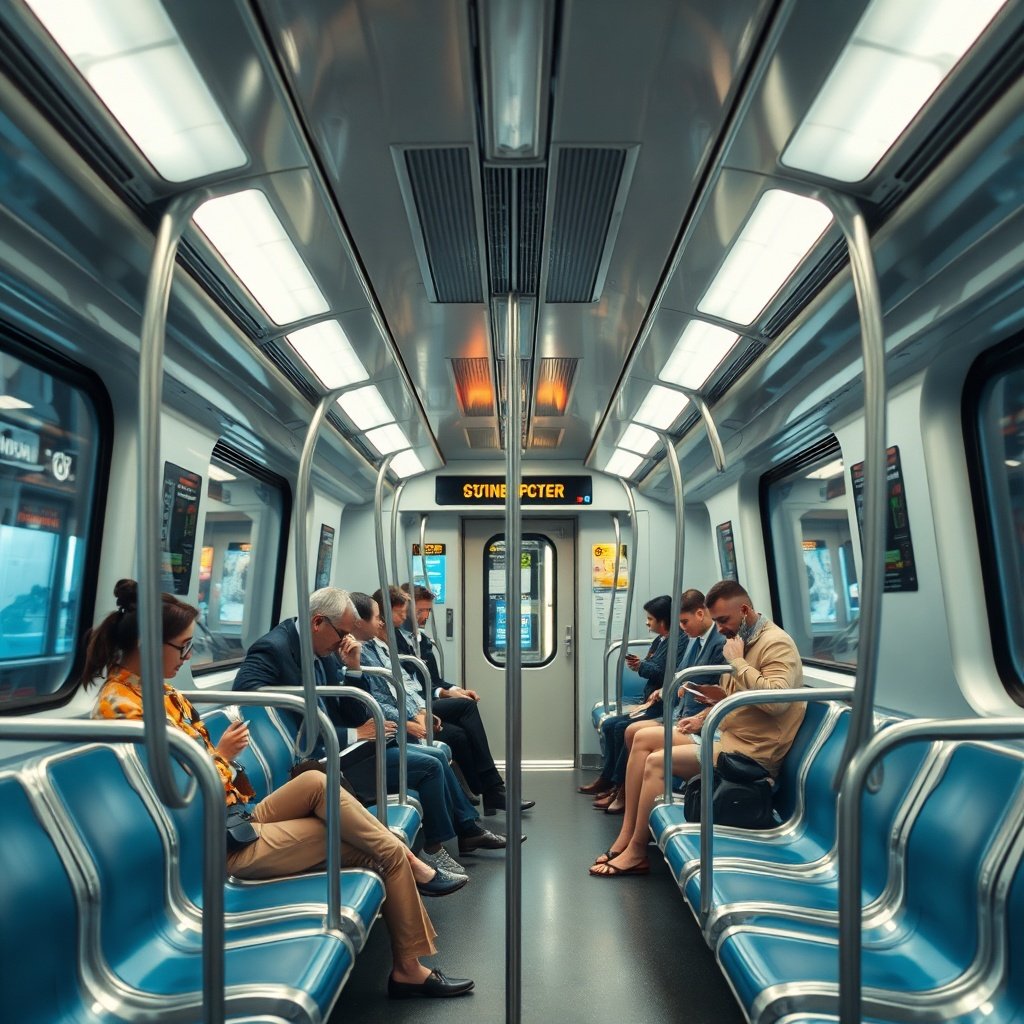
A view inside a high-tech metro train showing digital displays and commuters.
The Integrated Multi-Modal Ecosystem
The Istanbul Metropolitan Municipality (IBB) coordinates a complex web of Istanbul Metro lines, trams, buses, and ferries under a unified tariff structure designed for seamless transfers. Physical integration hubs are the key to this efficiency. Major intersections like Mecidiyeköy allow you to switch between the M2 and M6 metro lines without leaving the station complex. Similarly, Yenikapı acts as a mega-hub where the M1A and M2 metros connect with the Marmaray and İDO sea buses. This multi-modal approach means you can plan a journey from the Asian suburbs to the historic European peninsula using a single payment method.
Quick Answer: Istanbul uses a unified system where one ticket covers metro, tram, bus, and ferry. You pay full price for the first ride and get significantly discounted rates for transfers within 2 hours.
A ferry crossing the strait with the historic and modern skyline in the background.
The Central Role of the Istanbulkart
The Istanbulkart is more than just a ticket; it is the gateway to the city. This contactless smart card functions across the entire network and is mandatory to access the transfer discount system. A single physical card can be shared among multiple people—simply tap it at the turnstile for each person. However, 2026 has seen a shift toward digital integration. While blue cards are still sold at kiosks, the official Istanbulkart Mobile app now allows users to load credits and pay via NFC on their smartphones, reducing the need for physical plastic cards.
Definition: Istanbulkart — A reusable, contactless smart card used for payment on all public transport in Istanbul, offering pay-as-you-go credits and automatic transfer discounts when switching between vehicles within a 120-minute window.
Maximizing Value with the Istanbulkart Pricing and Usage
Where to Buy and Top Up in 2026
Acquiring an Istanbulkart is straightforward. You can purchase the generic blue card at major metro stations, vending machines located in transit hubs like Eminönü and Taksim, and authorized news agents (kiosks) displaying the Istanbulkart logo. As of 2026, the process has become digitized. You no longer need to find a specific machine to top up. At almost every turnstile, you will find QR codes that can be scanned with your banking app to instantly load credit onto your card. This feature is particularly useful for tourists who may not have small Turkish Lira notes on hand.
Understanding the 2026 Tariff Structure
Budgeting accurately requires knowledge of the current fares. Following a 25% increase in January 2026, the standard full-fare price for a single ride is approximately 60 Turkish Lira as of July 2026. The real value, however, lies in the transfer discount. When you use your Istanbulkart, the first ride is full price. If you transfer to another bus, metro, or ferry within 120 minutes, the fee drops significantly—often by half or more. A third transfer within the same window offers an even lower rate. This structure incentivizes using the multi-modal network rather than relying on taxis for long cross-city journeys.
Quick Answer: A single ride costs about 60 TL in 2026. Always use your Istanbulkart to get cheap transfers; your second and third rides within 2 hours cost much less than the first.
Navigating the Rail Network: Metro, Marmaray, and Tram
The Marmaray: Connecting Europe and Asia
The Marmaray is the engineering marvel that sits at the core of Istanbul’s transcontinental connectivity. This submerged rail tunnel runs beneath the Bosphorus Strait, linking the European side at Halkalı to the Asian side at Gebze. For daily commuters, it is the fastest way to cross continents, bypassing the notoriously heavy traffic on the Bosphorus bridges. In 2026, trains run frequently from approximately 6:00 AM until 11:00 PM. During peak morning and evening hours, headways can be as short as 5 to 8 minutes, making it a reliable choice for getting to business districts on time.
Essential Metro Lines for Tourists and Residents
While the Marmaray handles the heavy east-west lifting, other Istanbul Metro lines serve specific strategic needs. The M1A line is the primary Istanbul Airport transfer route, connecting the main airport to the city center. The M2 line, the backbone of the European side, runs north-south through key areas like Şişli and Taksim, offering easy access to the historic peninsula via the Taksim Kabatas funicular connection to the trams. For sightseeing, the T1 tram line is indispensable. It trundles through the historic heart of the city, stopping right at Sultanahmet (Blue Mosque and Hagia Sophia) and the Grand Bazaar. Recent extensions in late 2025 have improved connectivity on the Asian side, particularly linking Kadıköy more efficiently with inland neighborhoods.
The Scenic Route: Ferries and Sea Buses
Why Ferries Are the Best Way to Beat Traffic
Road traffic in Istanbul is notoriously unpredictable, often gridlocking the bridges connecting the two continents. The Bosphorus ferry system offers a reliable, traffic-free alternative. Beyond just utility, the ferry ride is a cultural experience. Operators like Şehir Hatları and İDO (Istanbul Deniz Otobüsleri) maintain large fleets that offer WiFi and seating with views of minarets and palaces. During rush hour, taking the ferry is often faster than driving or taking the bus, providing a calm break from the chaotic city streets.
Key Routes for Sightseeing and Commuting
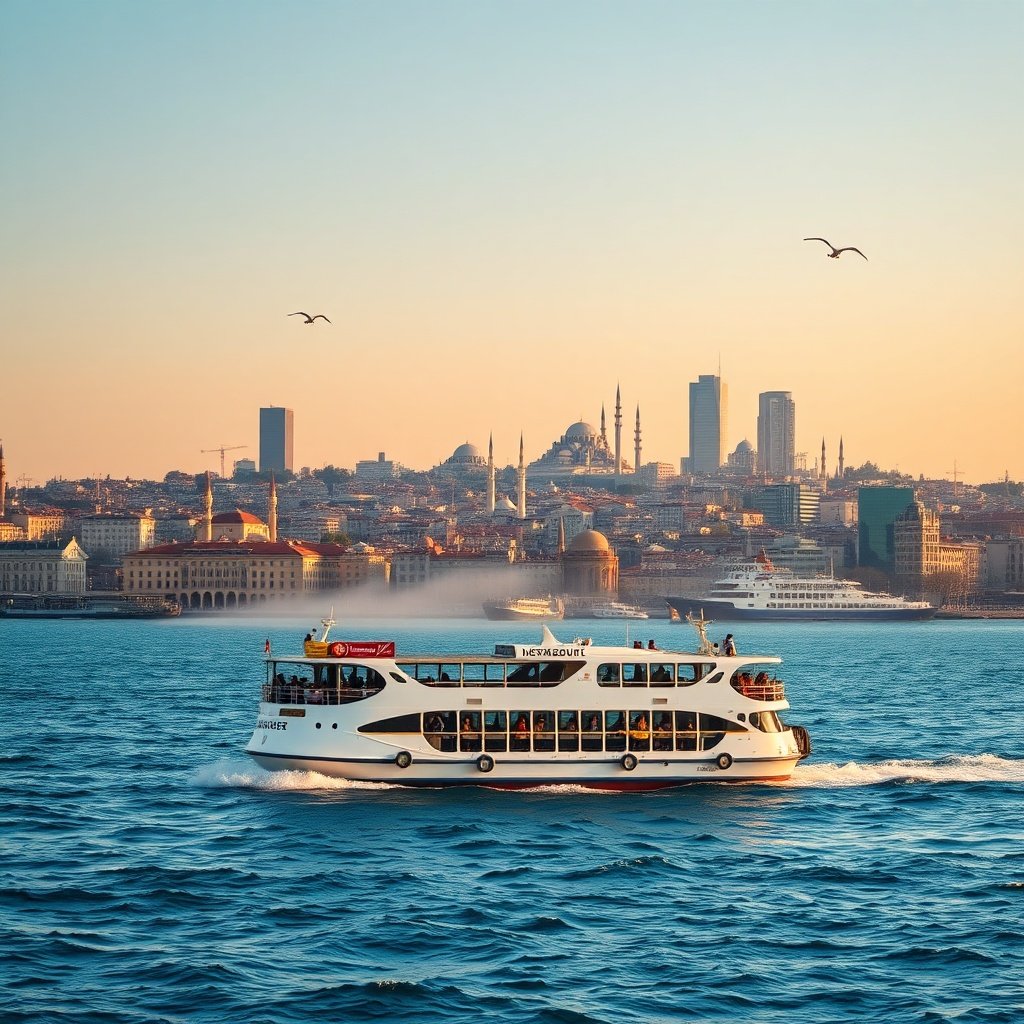
Certain routes are vital arteries for the city. The Kadıköy to Eminönü route is perhaps the busiest, connecting the vibrant Asian culinary district with the historic European peninsula. Another popular line runs from Üsküdar to Beşiktaş, serving as a quick hop for commuters working in the central business districts. For tourists, dedicated Bosphorus tour lines depart from Eminönü and Kabataş, offering longer loops that circle the strait. In 2026, the piers have been upgraded to accommodate higher passenger volumes, and digital ticketing kiosks have been installed at all major hubs to reduce queues.
Bus Transport and Digital Navigation Tools
Using Real-Time Apps for Efficient Bus Travel
Buses fill the gaps left by the rail network, reaching deep into residential neighborhoods. To navigate the extensive IETT bus routes efficiently, relying on digital tools is essential. Apps like Moovit, Google Maps, and the official IETT Cepte app provide real-time tracking of bus locations. These tools tell you exactly how many minutes away the next bus is, allowing you to time your arrival at the stop perfectly rather than waiting in uncertainty.
Definition: IETT — The Istanbul Electricity, Tram, and Funicular Company, the public body responsible for operating the vast network of buses, trams, and funiculars throughout the city.
Metrobus and Express Bus Options
The Metrobus system is a unique component of the city’s transport. It operates on dedicated lanes that run along the center of major highways, effectively functioning as a surface-level metro line. In 2026, these lanes have been further optimized to prevent regular traffic from obstructing them. The Metrobus is the high-capacity solution for the trans-continental route, running 24/7. In contrast, standard IETT buses serve narrower streets and provide the “last mile” connectivity from metro stations to specific residential addresses. For flexible travel, the Dolmus (shared taxis) still operate on specific routes, offering a faster, albeit slightly pricier, alternative when they are available.
2026 Innovations: Accessibility and Future Projects
Accessibility Improvements Across Stations
A major focus for 2026 has been making the city navigable for everyone. A new municipal mandate has ensured that all metro and tram stations are now equipped with functioning elevators and ramps. Tactile paving has been installed on platforms to assist visually impaired passengers. Furthermore, the newest bus fleets introduced this year feature audio-visual announcement systems that announce the next stop in both Turkish and English, significantly aiding international travelers.
Upcoming Line Extensions
The infrastructure growth is ongoing. The most anticipated project is the full completion of the M11 metro line, which aims to provide a direct rail link to Sabiha Gokcen transport hub on the Asian side. While partial sections are open, the full route connecting the airport to the city center is expected to reach operational status by late 2026. This extension will finally provide a rail-based alternative to the airport shuttle buses for passengers flying into the Asian side.
Quick Answer: Accessibility has improved in 2026 with mandatory elevators and tactile paving at all stations. Look out for the M11 metro extension to Sabiha Gökçen Airport launching later this year.
Conclusion
Mastering the public transport in Istanbul system is the key to unlocking the city without breaking the bank. By utilizing the Istanbulkart and leveraging the transfer discounts, you can navigate everything from the historic Sultanahmet area to the Asian shores of Kadıköy efficiently. The network is vast, but the integration between rail, sea, and road makes it manageable. For the best experience, combine the speed of the metro with the scenic relaxation of the ferries. Whether you are a resident commuting to work or a traveler exploring the bazaars, planning your routes using the digital tools available in 2026 will save you both time and stress.
FAQ
How much is the public transport pass in Istanbul in 2026?
The city does not use a “pass” system but relies on the Istanbulkart with pay-as-you-go credits. As of July 2026, a single full fare costs approximately 60 Turkish Lira, with significant discounts on transfers within 120 minutes.
What is the best way to get from Istanbul Airport to the city center?
The M11 metro line provides the fastest connection to the city center, reaching key hubs like Gayrettepe in under 40 minutes. Alternatively, the HAVAIST airport bus services operate 24/7 to various districts.
Can I use my credit card or phone to pay for transport in Istanbul?
Yes, contactless credit cards and mobile payment wallets (Apple Pay/Google Pay) are accepted at all turnstiles, though using the Istanbulkart via its official app provides cheaper fares than direct contactless payments.
Is public transport in Istanbul safe at night?
Yes, the Metro and Marmaray operate until approximately 11:00 PM or midnight, while night buses (Otogar) run throughout the night on major routes. Ferries have limited night schedules but are generally safe and well-lit.
How do I transfer between lines without paying extra?
The transfer discount is applied automatically when using an Istanbulkart within two hours of the first validation. Passengers must tap their card at the turnstile of the connecting vehicle to receive the reduced rate.
