

Turkish Beauty Secrets: Ancient Rituals for Modern Radiance in 2026
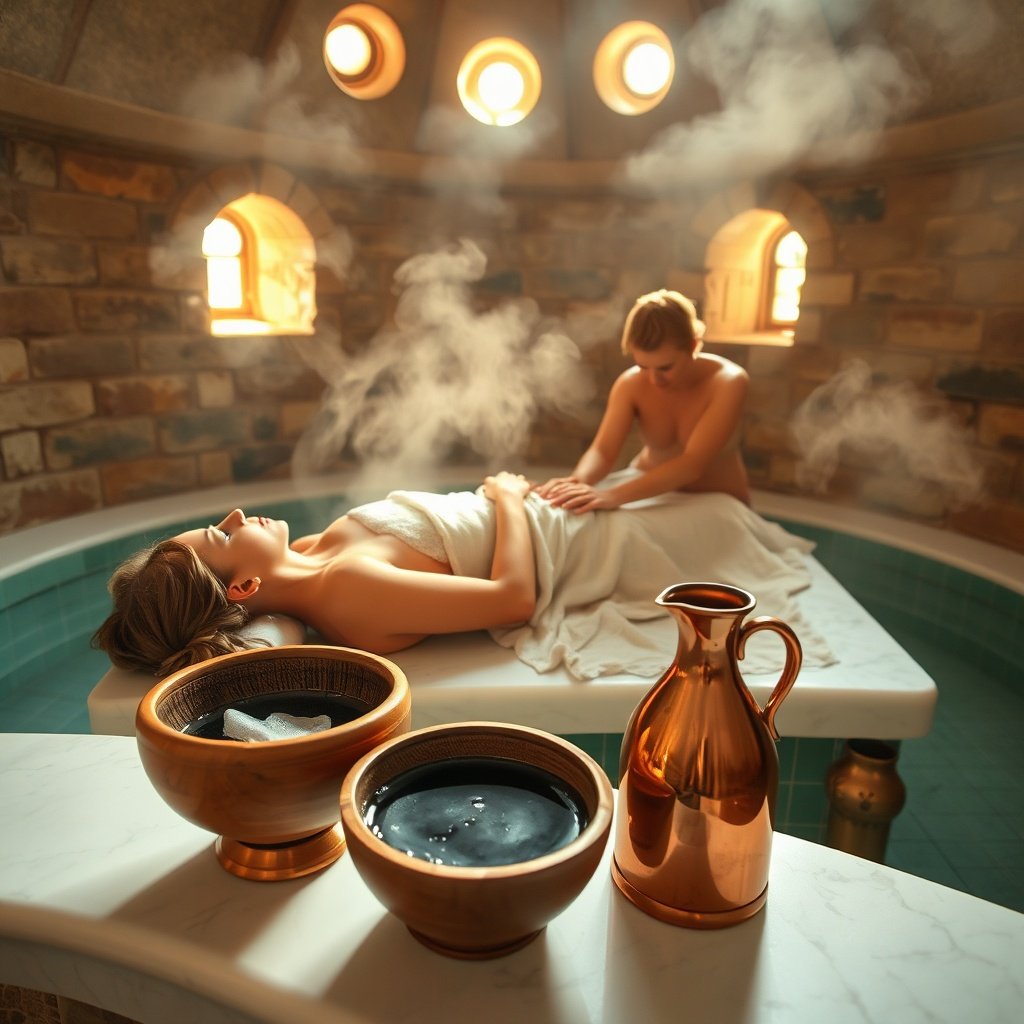
The core of Turkish beauty secrets lies in a holistic approach that combines deep physical purification through the Hammam ritual with intense, natural hydration using ingredients like olive oil and rose water. This method prioritizes skin detoxification and cellular turnover over the heavy layering of synthetic chemicals. By focusing on rigorous exfoliation and replenishing the skin’s lipid barrier immediately after cleansing, this tradition achieves a lasting, natural glow that modern “skinimalism” trends are only now rediscovering in 2026.
The “Turkish glow” is not a result of genetic luck but a byproduct of a lifestyle that integrates specific rituals, a nutrient-dense diet, and indigenous ingredients. In 2026, as consumers shift away from complex, multi-step chemical routines, these ancient methods are outperforming modern alternatives due to their sustainability and profound effectiveness. By treating the skin as an extension of the body’s internal health, Turkish beauty traditions offer a comprehensive roadmap for long-term radiance.
Key Takeaways
- The Turkish Hammam ritual provides essential deep exfoliation and detoxification.
- Staples like olive oil, rose water, and black soap provide unmatched hydration and anti-aging benefits.
- Beauty is viewed holistically, linking dietary habits directly to skin and hair vitality.
- Kitchen staples like yogurt and coffee grounds serve as highly effective, cost-efficient treatments.
The Core Philosophy: Purification and Intense Hydration
Turkish beauty is defined by the dual pillars of rigorous purification and immediate, intense hydration. Unlike many Western skincare trends that focus on layering numerous active serums, the Turkish philosophy focuses on preparing the skin to absorb moisture by first removing every trace of impurity. This approach ensures that the skin’s surface is perfectly primed to receive the nourishing oils that follow.
This holistic skincare approach has remained unchanged for centuries, proving that the most effective way to maintain skin health is to work with the body’s natural processes. In 2026, this aligns perfectly with the global movement toward “skinimalism,” where fewer, higher-quality ingredients are preferred over dozens of synthetic products. By focusing on deep cleansing and immediate moisture replenishment, you maintain a healthy skin barrier and a consistent, luminous complexion.
Definition: Skinimalism is a skincare philosophy that focuses on using a minimal number of high-quality, effective products to achieve optimal skin health, prioritizing the skin barrier over excessive layering.
The Ritual of the Turkish Beauty Secrets: The Hammam
A woman receiving a traditional exfoliation treatment in a Turkish hammam, embodying the core of Turkish beauty secrets.
The foundation of this tradition is the Turkish Hammam ritual, a communal or private bath experience designed for total body detoxification. The process begins in a warm, steamy environment where the heat works to open pores and soften the skin’s outermost layers. This thermal exposure is critical for preparing the body for physical exfoliation.
Once the skin is sufficiently softened, a vigorous scrubbing technique is applied. This stage is essential for removing dead skin cells and stimulating blood circulation throughout the body. This stimulation is the secret to that signature radiance, as it encourages oxygenated blood to reach the skin’s surface. The result is a feeling of lightness and a visible improvement in skin texture and tone.
Quick Answer: The Hammam ritual involves sitting in a steam room to open pores, followed by a deep body detox using a Kese glove. This process removes dead skin cells and boosts circulation, providing the essential foundation for the “Turkish glow.”
The Power of the Foam Massage
Following the exfoliation, the ritual moves into the “köpük” or foam massage phase. A silk pouch is used to create a thick, luxurious lather from traditional olive oil soap or locust bean soap. This soft, voluminous foam is massaged over the entire body to soothe the skin after the intense scrubbing.
This stage is vital for maintaining skin elasticity and ensuring the skin does not feel stripped after exfoliation. The massage helps relax tense muscles while allowing the natural fats found in traditional soaps to penetrate the newly exposed skin layers. This ensures that the skin remains incredibly supple and deeply hydrated rather than dry or irritated.
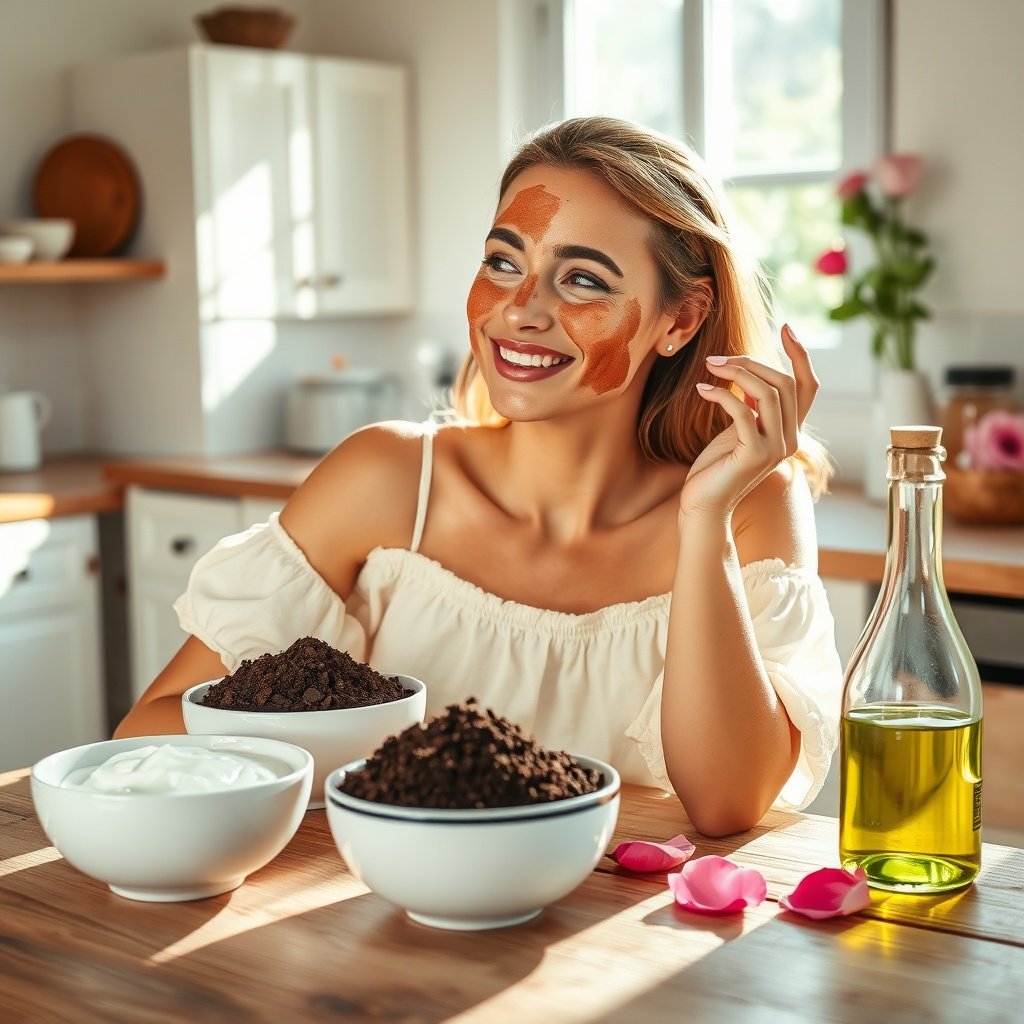
A woman applying a yogurt and coffee grounds mask, inspired by Turkish beauty secrets from kitchen staples.
The Art of Exfoliation: Mastering the Kese Glove
The most critical tool in the Turkish beauty arsenal is the Kese glove, a coarse, textured mitten used for physical exfoliation. This tool is unmatched for removing toxins and revealing the fresh, vibrant skin underneath. Unlike many modern chemical exfoliants, the Kese provides immediate, tactile feedback and a deep level of cleansing that is difficult to replicate.
In 2026, dermatologists continue to validate the effectiveness of these traditional natural exfoliation methods. The physical action of the Kese helps increase cell turnover, which is essential for preventing dullness and fine lines. It is a sustainable, reusable, and highly effective way to manage skin texture without the need for micro-beads or harsh acids.
Step-by-Step Exfoliation Technique
To achieve professional results at home, you must follow a specific sequence to ensure you are effectively removing dead skin cells without causing irritation.
- Preparation: Soak in a hot bath or shower for at least 10 to 15 minutes. The heat is non-negotiable; the skin must be soft and warm.
- The Motion: Using the Kese glove on damp (not soaking wet) skin, scrub in vigorous, rhythmic strokes. Always move in upward motions toward the heart to aid lymphatic drainage.
- Observation: As you scrub, you will see small rolls of dead skin peeling away. This is a visual confirmation that the Kese is working.
- Rinse: Rinse thoroughly with warm water to remove all loosened debris before applying oils.
Coffee Grounds for Cellulite
A highly effective way to enhance the exfoliation process is by using a Turkish coffee scrub. By mixing used coffee grounds with a small amount of extra virgin olive oil, you create a potent treatment that targets skin texture and appearance.
The caffeine in the coffee is known to temporarily tighten the skin and reduce the appearance of cellulite by improving local circulation. When applied immediately after a Kese scrub, the skin’s increased permeability allows the caffeine and oils to penetrate more deeply. This dual-action method leaves the skin feeling incredibly firm and smooth.
Quick Answer: To target cellulite, mix used coffee grounds with olive oil. Apply this scrub after using a Kese glove to maximize the absorption of caffeine, which helps tighten the skin and improve circulation.
Liquid Gold and Floral Waters: Signature Ingredients
Turkey is a global leader in the production of some of the world’s most potent beauty ingredients. Two staples stand above the rest: olive oil and rose water. These ingredients are used from head to toe, serving as natural replacements for many synthetic serums and moisturizers found in modern vanity cabinets.
The Antioxidant Power of Olive Oil
High-quality extra virgin olive oil for skin is prized for its exceptional concentration of Vitamin E and polyphenols. These antioxidants are essential for protecting the skin against environmental stressors and oxidative damage. In Turkish tradition, warm olive oil is used as a deep conditioning mask for both the face and the hair.
Scientific studies in 2026 continue to highlight the importance of topical oleic acid, a primary component of olive oil, in maintaining a robust skin barrier. By applying this “liquid gold,” you provide the skin with the lipids it needs to stay hydrated and resilient against aging. It is a simple, effective, and incredibly nourishing solution for all skin types.
Rose Water for pH Balance
Pure rose water, known as Gül suyu, is a cornerstone of Turkish beauty. It is used as a natural toner and setting spray to refresh the complexion and maintain the skin’s natural pH levels. Unlike many commercial toners, authentic rose water is free from alcohol and harsh preservatives, making it safe for even the most sensitive skin.
Using rose water helps to reduce facial inflammation and soothe redness. For the best results, look for steam-distilled rose water that is as close to the plant essence as possible. It provides a cooling, hydrating sensation that instantly revitalizes the face, making it a perfect step in any morning or evening routine.
Lustrous Locks: Traditional Turkish Hair Care
Turkish hair is often characterized by its immense thickness, shine, and resilience. This is not merely a result of genetics but a consequence of consistent scalp stimulation and the use of nutrient-dense, natural protein sources. Moving away from chemical-laden salon treatments toward traditional methods ensures long-term hair health.
The Yogurt and Egg Mask
One of the most effective DIY hair masks used in Turkish households is a combination of yogurt and egg. This treatment provides a concentrated dose of protein and probiotics to the hair shaft.
- Ingredients: 1 cup of full-fat yogurt, 1 egg yolk, and 1 tablespoon of olive oil.
- Application: Apply the mixture generously to your scalp and through the lengths of your hair.
- Treatment: Cover your hair with a shower cap and let it sit for at least 20 minutes.
- Rinse: Always rinse with cool water to prevent the egg from “cooking” in your hair and to seal the cuticle for extra shine.
The protein in the egg repairs damaged hair fibers, while the lactic acid in the yogurt helps to cleanse the scalp and soothe irritation.
Castor Oil for Thickness
For those seeking increased volume and density, the use of castor oil for hair growth is a time-honored secret. Specifically, cold-pressed castor oil (known locally as Siyah Yağ) is highly valued for its thick, viscous consistency and high ricinoleic acid content.
This oil is most effective when applied to the hairline and eyebrows. By gently massaging a small amount into the roots before bed, you stimulate blood flow to the follicles. This consistent stimulation, combined with the nourishing properties of the oil, encourages thicker, stronger hair growth over time.
Quick Answer: For thicker hair, use cold-pressed castor oil (Siyah Yağ) on your hairline and roots before bed. The high ricinoleic acid content promotes blood flow to the follicles, encouraging growth.
Beauty from Within: The Nutritional Foundation
In Turkish culture, beauty is viewed as an internal state that manifests externally. A beautiful complexion is considered a direct reflection of a healthy digestive system and a nutrient-rich diet. The traditional Turkish diet is a hallmark of the Mediterranean lifestyle, focusing on whole foods that support skin vitality.
Antioxidant-Rich Teas
The consumption of herbal teas is a daily ritual that contributes significantly to skin clarity. Teas such as Sage (Adaçayı) and Nettle (Isırgan) are staples in Turkish households. These herbs are celebrated for their blood-purifying properties and their ability to detoxify the body from the inside out.
Replacing sugary sodas with these antioxidant-rich infusions is a common habit that helps maintain a clear, even skin tone. In 2026, the link between gut health and skin clarity is more evident than ever, and these traditional herbal infusions provide the perfect natural solution for a skin detox.
The Importance of Breakfast
The “Serbest Kahvaltı,” or traditional Turkish breakfast, is a feast of healthy fats and hydrating vegetables. A typical spread includes olives, cucumbers, tomatoes, feta cheese, and walnuts. This combination provides the essential building blocks for collagen production and skin elasticity.
Starting your day with these nutrient-dense foods ensures that your body has a steady supply of vitamins and healthy fats. This prevents the “sugar crashes” that can lead to inflammation and breakouts, providing a stable foundation for your beauty routine from the very first meal of the day.
Frequently Asked Questions (FAQ)
What is the most important Turkish beauty secret for glowing skin? The most important secret is the combination of physical exfoliation with a Kese glove and immediate hydration with natural oils like olive oil.
How often should I use a Kese exfoliating glove? For best results, use a Kese glove once a week during a long, warm bath or Hammam ritual to prevent over-exfoliation.
Can I use Turkish olive oil on my face if I have acne-prone skin? While olive oil is highly nourishing, those with very oily or acne-prone skin should patch test first, as the high oleic acid content may be too heavy for some.
What is the main ingredient in Turkish black soap? Traditional Turkish black soap is primarily made from olive oil and saponified oils, often enriched with laurel or olive extracts.
The Turkish beauty secrets revealed in this article demonstrate that true radiance is achieved through consistency and the use of nature’s most potent ingredients. From the deep cleansing power of the Hammam to the nourishing benefits of rose water and olive oil, these rituals offer a sustainable alternative to modern synthetic skincare. By adopting even just one or two of these habits—such as a weekly Kese exfoliation or a daily rose water toner—you can transform your skin’s health and vitality. These time-honored traditions prove that nature provides the most effective and accessible solutions for lasting beauty. Start your journey toward a natural glow today.
